Following our coverage of Rioja's centenary, we return to the region to look at a new network of independent winegrowers: VIR (Viticultores Independientes de Rioja), boosted by smaller collectives such as Rioja 'n' Roll and Martes of Wine.
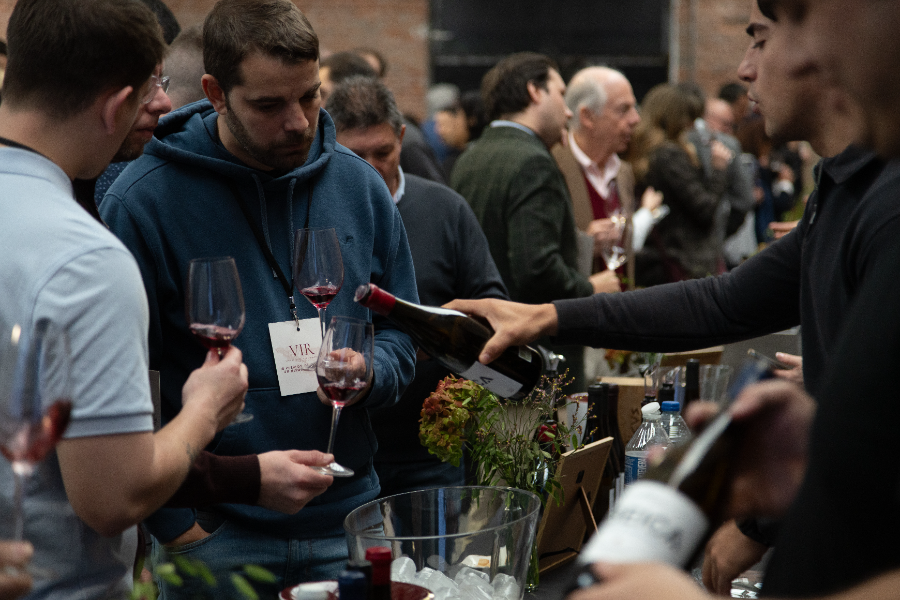
Their debut tasting in Madrid in early March, featuring 38 producers*, was a bold statement of intent: to safeguard their land and their villages. Their manifesto (reproduced at the end of this piece), focuses on two core ideas: promoting a sustainable, environmentally responsible model that ensures winegrowers can make a decent living, and giving producers the freedom to express Rioja’s diversity in all its facets.
The event also set out to challenge the stereotype of Rioja as a safe, predictable region, an image that, according to the organisers, still persists today. Spanish Wine Lover has long argued otherwise, documenting the many dynamic developments taking place. For sommeliers and distributors, the tasting offered a valuable overview of the growing number of small-scale, quality-driven projects emerging across Rioja.
Given the detailed attention that these producers pay to their terroir, the traditional zone designations (Rioja Alavesa, Rioja Alta and Rioja Oriental) feel increasingly inadequate when it comes to explaining the region's complexity and diversity. While the centenary celebrations largely sidestepped village wines, —understandable, perhaps, given the category’s somewhat chaotic implementation—, independent winegrowers see village identity as essential to a deeper understanding of Rioja. “We would love to see village wines, or wines from independent growers, listed as a human-scale category,” says Miguel Merino of Bodegas Miguel Merino in Briones.
Visibility is another concern. “We’ve never really had voice,” complains Alberto Pedrajo of Alonso & Pedrajo. Above all, they want consumers to grasp the difference between large-scale and small-scale producers. “Without the big wineries, our villages wouldn't exist,” acknowledges Arturo de Miguel, of Artuke. “But small-scale production shouldn't be overshadowed by the large players. That’s exactly what happens when an industrial-scale winery releases ten village wines.”
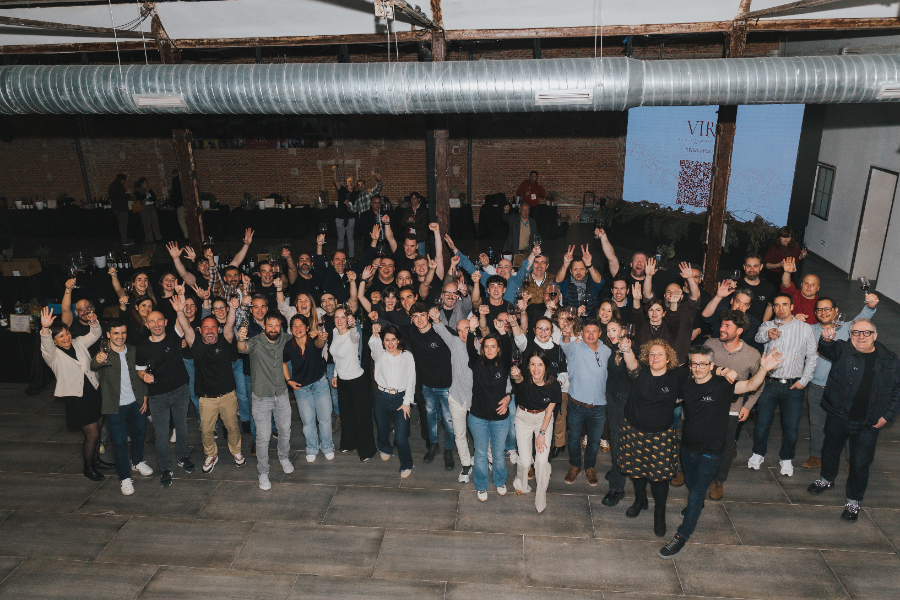
VIR does not impose any style guidelines, but it is uncompromising on authenticity and quality. Most of the wineries are located in the Sonsierra, north of the Ebro River, in long-established winemaking villages such as San Vicente and Labastida. However, the Madrid tasting brought together producers from 18 villages across the DOCa. Another key objective was to shine a light on emerging projects that remain largely under the radar.
We have selected a range of wines that reflect the diversity showcased at the tasting, many from lesser-known producers. We have also included links to previous SWL articles, reviews and recommendations covering many of the VIR members, including those featured in the closing events of Rioja's centenary celebrations.
Skin-contact whites
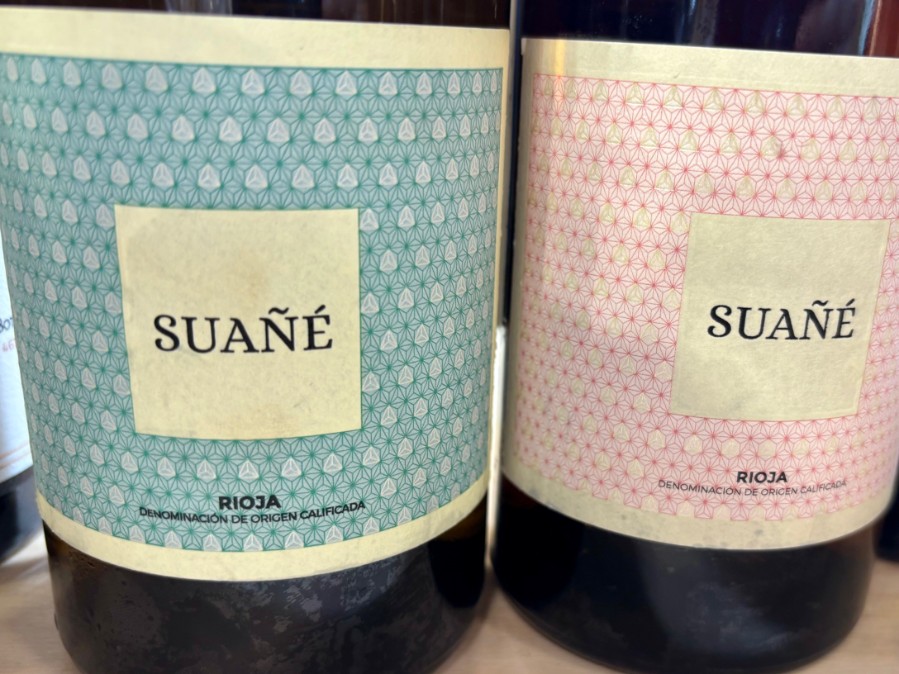
The project set up by Alberto Pedrajo and Javier Alonso in Villalba de Rioja is widely regarded as one of the most innovative in the DOCa. Hallmarks include the use of large tinajas (earthenware jars) for their entry-level wines and skin-contact vinification for whites. Suañé Reserva 2020 (6,498 bottles, €25) is a particularly good example of their approach: a blend of Viura with 20% Sauvignon Blanc. Fermentation takes place on the skins, followed by 12 months’ ageing in oak barrels and a final stage in stainless steel tanks for natural decanting, before bottling. The Sauvignon Blanc is barely noticeable; what stands out is the wine’s freshness, its finely textured palate and the extra energy provided by skin contact. We love the fact that such a groundbreaking wine is labelled as Reserva. See also our recent review of the highly distinctive Suañé Melange Gran Reserva.
Going biodynamic
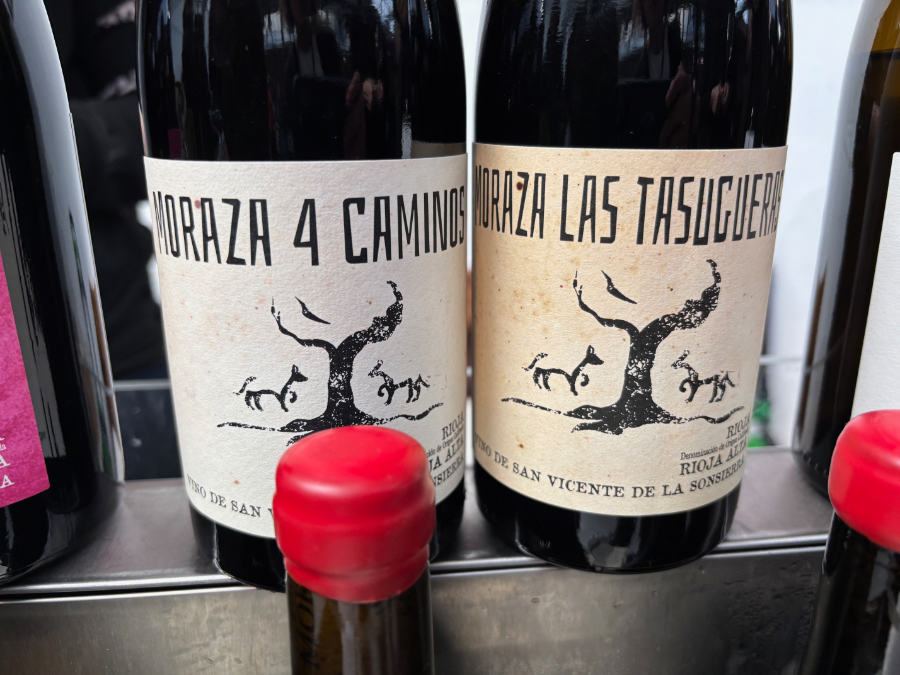
Bodegas Moraza is one of the few biodynamic producers in Rioja. This sixth-generation family of winegrowers and cosecheros in San Vicente de la Sonsierra were early adopters of organic farming and began selling their own wines in the 1980s. The current generation —cousins Janire and her partner Patricio, along with Ismael and Mario— have led the shift to biodynamics. Moraza produces subtle, low-alcohol wines (typically around 12% abv), fermented and aged in stainless steel or concrete vats. The result is nuanced fruit and a distinct austerity. Last year, Cuatro Caminos 2022 was one of our wines of the week. This time, we were drawn to Las Tasugueras 2021 Red (1,500 bottles, €28). This wine comes from limestone soils, while the Cuatro Caminos comes from soils richer in clay. Las Tasugueras is a more linear, lighter profile with firm tannins, almost in a classical way. Both are sold as village wines.
Elevation as an asset
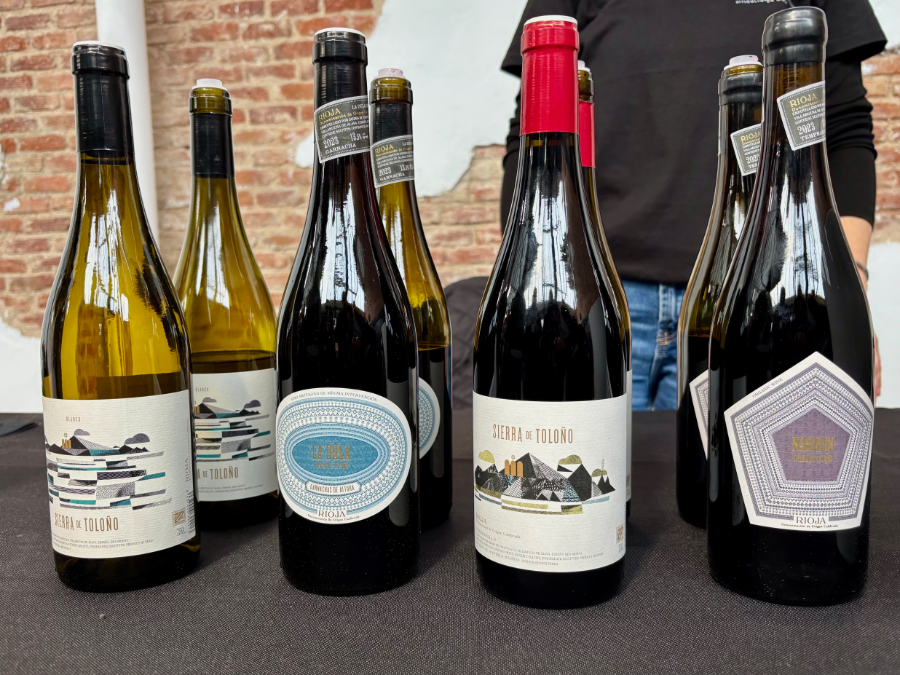
Sandra Bravo has brought one of the highest villages in the Sonsierra into focus. Rivas de Tereso, part of San Vicente de la Sonsierra since the early 20th century, sits at 650 metres above sea level and has fewer than 20 inhabitants. Its defining features are elevation and old-vine Garnacha. Although Bravo's winery and some of her vineyards are in Villabuena (Rioja Alavesa), most of her grapes come from this mountainous enclave. Alongside La Dula, her super-fresh, spicy mountain Garnacha, we particularly like her two entry-level wines: a white and a red sold under the Sierra de Toloño brand. Both are made from grapes grown in Rivas, but neither carries a formal village designation. At just 11.5% abv, the Viura-based white, sourced mostly from limestone soils, combines flavour, high acidity and aniseed notes. The red offers a very distinct expression of mountain Tempranillo: slightly rustic, yet flavourful and persistent. At around €12, this level of personality is unusual for entry-level wines. Her vineyards are also biodynamically certified.
Supporting young winegrowers
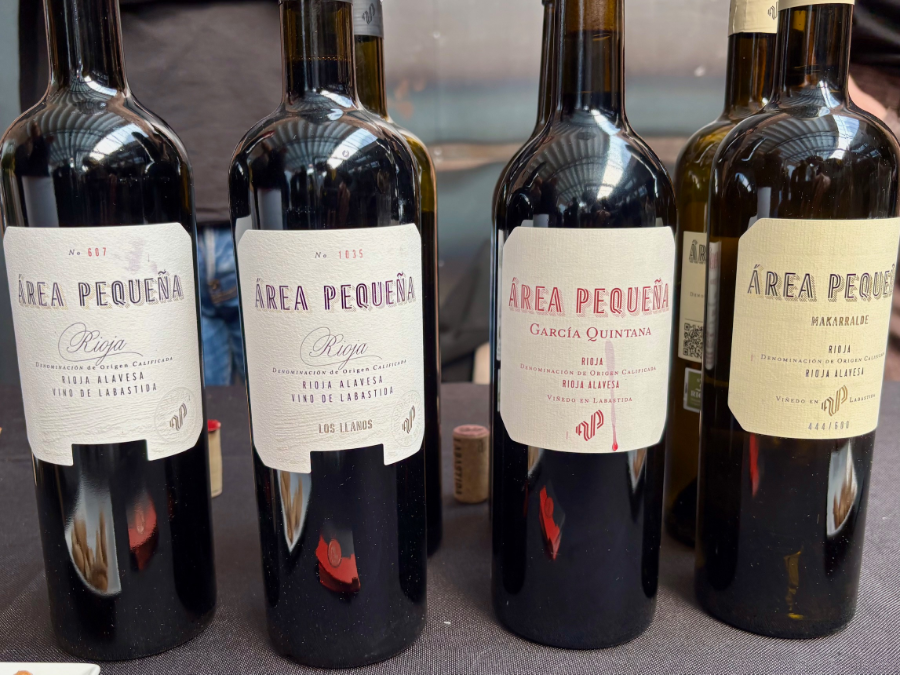
Área Pequeña, the project of brothers Joseba and Koldo García Quintana, started out under the wing of Bodegas Tierra, a well-known producer in Labastida that supports young growers making the transition into winemaking. With guidance from owners Carlos and Fidel Fernández, the García Quintana brothers have developed a range now approaching 9,000 bottles. They own seven hectares of vineyards but farm around 20, selling grapes to Muga, Tierra and Bilbaínas. One of the wines that best reflects their energy and youthful spirit is Los Llanos 2023 (2,500 bottles, €25), labelled as a village wine from Labastida. The grapes are sourced from a vineyard planted in the 1920s on sandy soils near Haro, and the wine is aged in casks and concrete vats. The result is an intense, vibrant, straightforward, fruit-driven red with great potential. This is a project to watch.
Carbonic maceration: tradition with a future
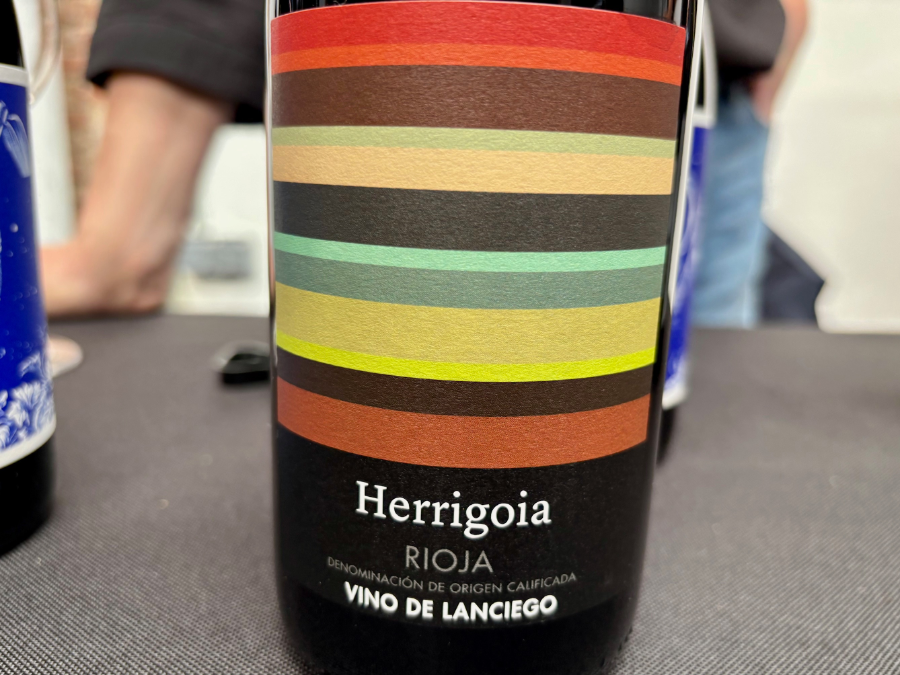
Herrigoia (€6.90 on the winery’s website; Basque for 'upper part of the village') is the entry-level wine from El Mozo Wines: a carbonic maceration red fermented in concrete open tanks for seven to eight days and aged briefly in the same material. The first bottling of the 2025 vintage —a sulphite-free version created for Vii, the Roca family’s wine bar in central Girona run by sommelier Audrey Doré— follows the traditional Rioja Alavesa method of co-fermenting 80% Tempranillo with 20% white grapes. It is a fresh, fruit-driven wine with a smooth texture and the liquorice notes typical of this style. The grapes come from the family’s own vineyards, spread across nine hectares and 18 small plots in Lanciego (Rioja Alavesa), and the wine is labelled as 'vino de pueblo' (village wine).
Dani Resa: a promising producer in San Vicente
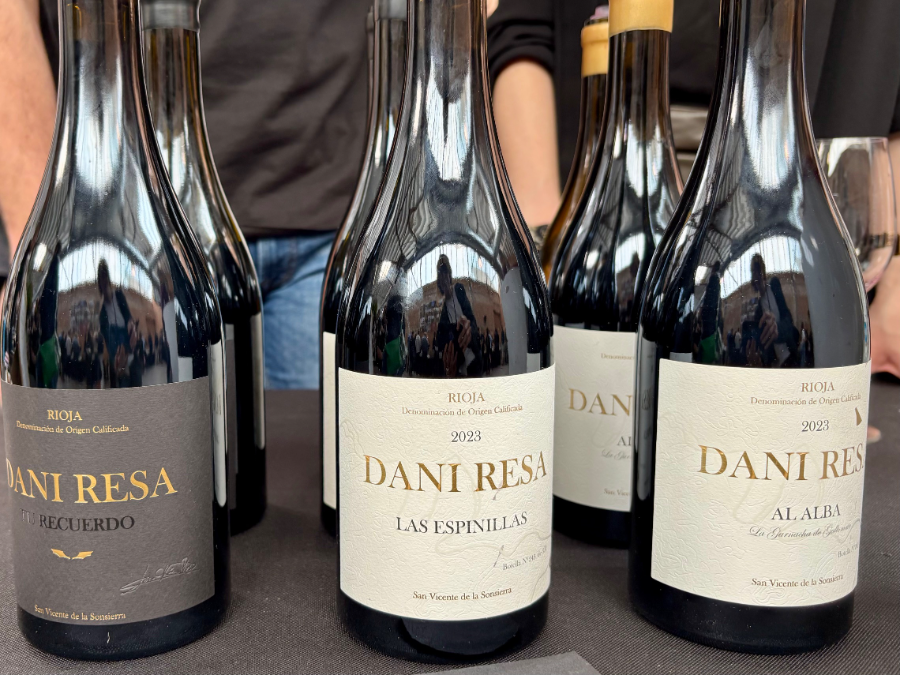
Now in its second year of production, Dani Resa’s wines have already attracted the attention of distributor Vila Viniteca. Based in San Vicente de la Sonsierra, he also sells grapes to Vega Sicilia and Artuke, and has released three wines produced in very limited quantities that show a strong focus on balance and a fragrant style with well-defined fruit notes. The most affordable, priced at €18, is Tu Recuerdo (Your Memory). Only 600 bottles of the 2024 vintage were produced, but he hopes to exceed 2,000 in 2025. A blend of 85% Tempranillo, 10% Garnacha and 5% Viura from high-elevation plots, it already shows precision and a degree of refinement. Las Espinillas 2023 is a clean, expressive Tempranillo with distinct fruit flavours from the lower part of the village. Al Alba 2023 (350 bottles) is a fragrant Garnacha from mid-slope sites, with greater weight on the palate and clear ageing potential.
Wines not to be missed
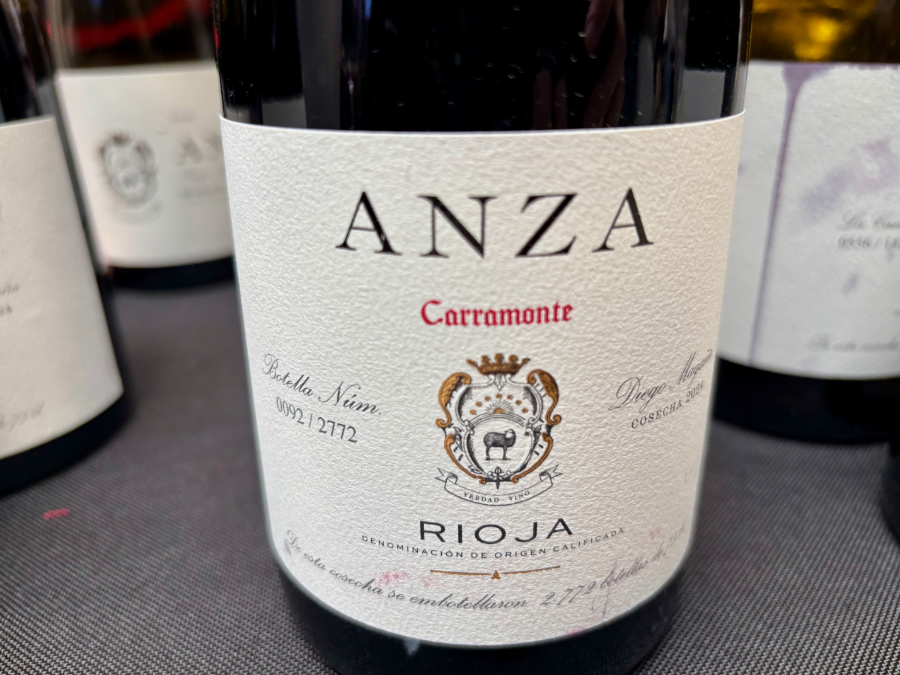
Diego Magaña is a name gaining traction in Rioja. Better known to some for his Bierzo project and close ties with Raúl Pérez, he represents a fresh, vibrant take on Rioja Alavesa thanks to his excellent work with vineyards in Laguardia and Elvillar. He is also involved in the CDVIN Garnacha project in Cordovín, in the Alto Najerilla valley, alongside Eduardo Eguren, Bodegas Valcuerna and Elías López Montero. However, most of his wines are crafted at the foot of the Sierra de Cantabria. The 2024 reds, starting with the entry-level Anza, are excellent and vibrant with superb definition of red fruits and often floral notes. Those wishing to go a step further can treat themselves to the 2004 Carromonte (2,882 bottles), sourced from three old plots in Laguardia with around 10% white grapes. With its tension and extra juiciness, it was our favourite. Anza San Vicente de la Sonsierra, from La Canoca site, will benefit from further bottle ageing.
Rethinking vintage blends
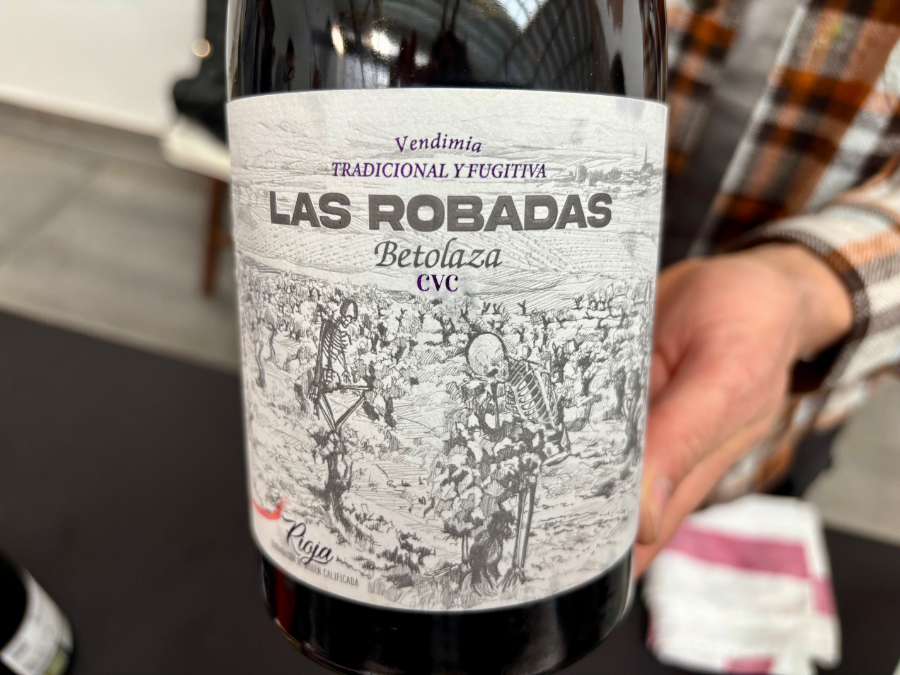
Fran and Clara Ibaibarriaga are the new generation at the helm of Bodegas Betolaza, a family-run winery inBriones which produced young wine until 2006, before moving to new premises. While their father started a traditional range of Crianza and Reserva wines, the children have developed their own line, including the white Magadí and the red Calitrancos. Altogether, they produce eight wines from 11 hectares. The wine that caught our attention was Las Robadas (1,440 bottles, €40, translated as 'stolen'), a multi-vintage, field blend red from selected bunches picked late (including old vines from third parties left unharvested, hence the name). The 2020 batch was aged for 27 months in a new French oak barrel, the 2021 batch for 12 months in a seasoned barrel and the 2022 batch consisted of 225 litres of young wine vinified in stainless steel. Bottled in September 2023, this lively, full-bodied red shows weight and depth and has good ageing potential. It is also a compelling example of how vineyard selection can intersect with Rioja's blending tradition.
Olivier Rivière and the Alto Najerilla Valley
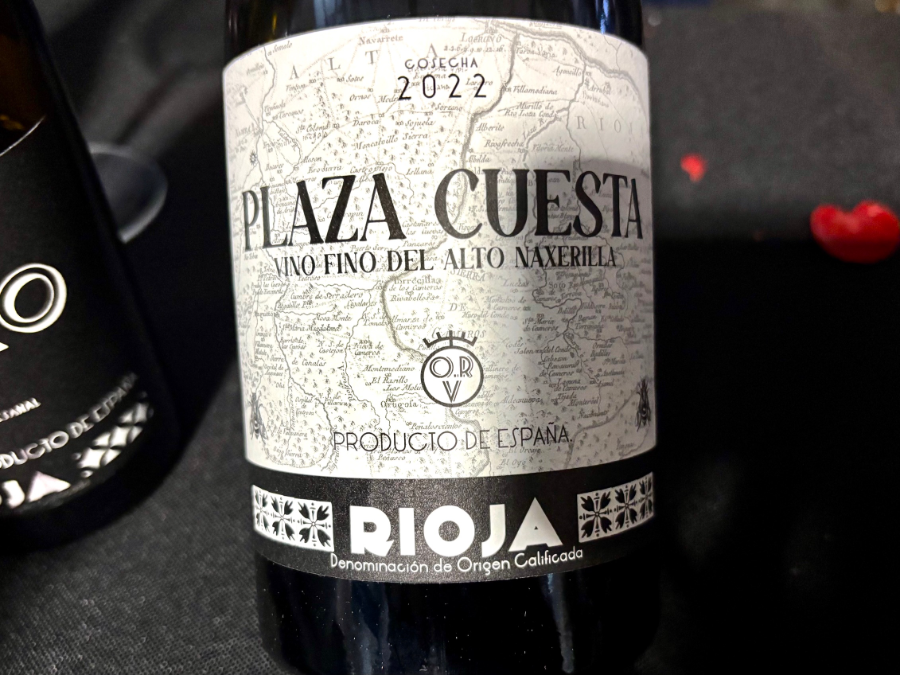
Keeping track of French winemaker Olivier Rivière, —a founding member of Rioja 'n' Roll— is no easy task. He has always kept one foot in Rioja, but has explored projects elsewhere, including DO Arlanza (ultimately abandoned), and for a time in Navarra, making a single-vineyard Garnacha. He also makes wine in Bordeaux, after purchasing several vineyards in Côtes de Bourg. In Rioja, he was one of the first to recognise the potential of the Alto Najerilla Valley with his Ganko red produced since the early 2010s. He has since relocated there, moving into a winery in Huércanos and selling his vineyards in Álava, from which he previously crafted notable single-vineyard wines such as Losares, Las Viñas de Eusebio and Pozo Alto (up to the 2020 vintage). His new release presented at VIR was Plaza Cuesta 2022 (just over 1,000 bottles, €70), a single-vineyard Garnacha from a plot that he planted in Cárdenas. Despite the vines being only four years old, the wine shows striking red-fruit intensity and depth —perhaps explained by the presence of 50 different Garnacha phenotypes.
Rioja Oriental’s new rules
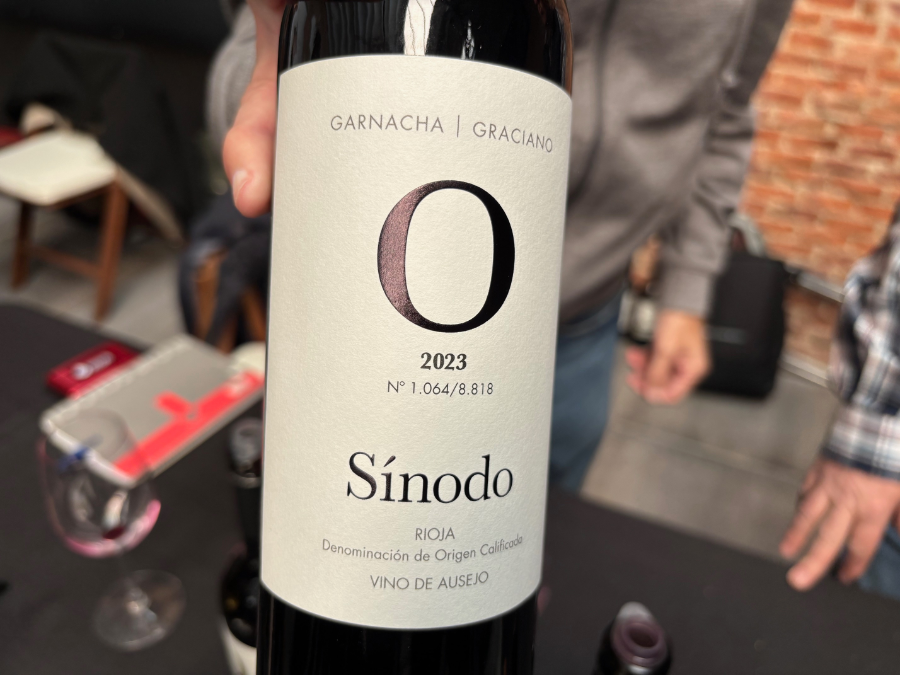
We first wrote about Sínodo Vitivínicola when Rioja introduced single-vineyard wines in 2019. Since then, the project —led by winemakers Roberto Monforte and Gorka Etxebarria, along with viticulture consultant Juan Antonio Blanco—, has expanded its range. We particularly enjoyed Sínodo Garnacha Graciano 2023 (8,800 bottles, €18), their most accesible wine. Made from vines grown at an elevation of 550 to 600 metres in Ausejo, it showcases the potential of Rioja Oriental in high-elevation areas with varieties well-adapted to its Mediterranean climate. This highly expressive red wine has floral notes and liqueur fruit (sarsaparilla) as well as tension, freshness, aromatic depth and well-integrated alcohol (14.5% abv). It is sold as a village wine.
Varietal expressions
Elena Corzana Maturana Blanca 2024 White. This Navarrete-based producer continues to expand her range of varietal wines. Following her Mazuelo and Graciano wines, she now presents this vibrant Maturana Blanca with high acidity, sourced from Nalda in the Sierra de Moncavillo. She only produces 1,100 bottles of this wine. The winemaking process involves the use of 225-litre barrels, large barrels and stainless steel. It would be great to see more wines made from this variety on the market. Elena Corzana is a founding member of the micro-producers association Menudas Bodegas.
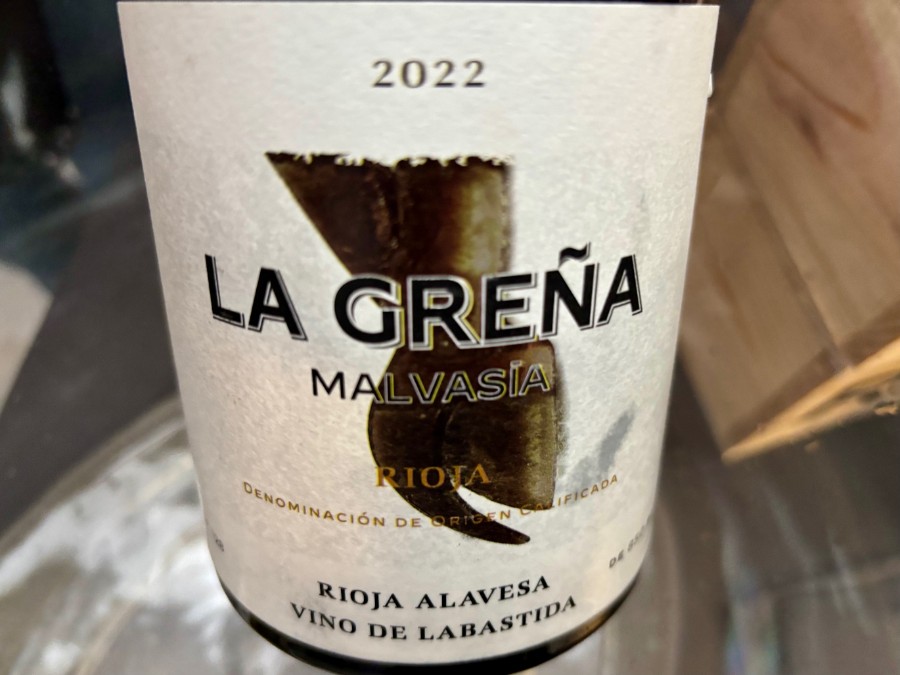
La Greña Malvasía 2022 White, Bodegas Tierra. With a production of just 850 bottles, this is one of the rarest white varietals made by Carlos Fernández in Labastida. The vineyard, which has distinctive shallow soils, was planted in 1919 in Pago Cuba Negra. It displays petrol notes, a pleasant hint of sweetness from oak ageing and excellent length.
Pagos de Valdeorca Graciano 2021 Red. It’s not easy to find Graciano reds that perform well on their own, but this bottling, poured by Lucía Abando in Madrid, was expressive and fresh, with all the distinctive qualities of the variety, but without any of its rough edges. This wine isn’t produced every year, but the 2021 vintage was balanced, and benefited from slow, even ripening conditions. This is a wine that will age very well in the bottle.
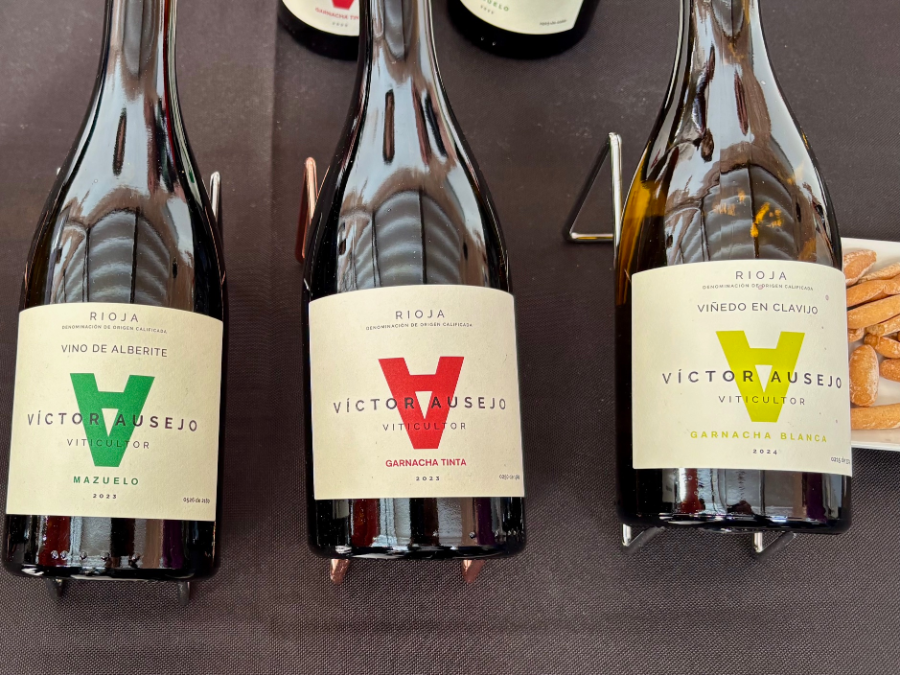
Víctor Ausejo Mazuelo and Garnacha 2023 Reds. This producer from the Iregua Valley, which Yolanda Ortiz de Arri recently reviewed, has raised Rioja's Garnacha Blanca to new heights, but also produces an interesting range of reds. His Garnacha, from small plots in Sojuela (Sierra de Moncalvillo), at an elevation of between 700 and 800 metres, has a very fresh, Mediterranean character. The Mazuelo, labelled as a village wine from Alberite, comes from a 30-year-old trellised vineyard. It is a deep red with notes of black and blue fruits and is both fresh and full-bodied. Both wines are limited to around 2,000 bottles, with prices ranging from €28 to €32.
Other recommended wines
• Abeica El Bardallo Tinto, Bodegas Abeica (Ábalos, Rioja Alta)
• Abel Mendoza Graciano Grano a Grano 2022 Tinto, Abel Mendoza Monge (San Vicente de la Sonsierra, Rioja Alta)
• Altún San Quiles Graciano 2023 Tinto, Bodegas Altún (Baños de Ebro, Rioja Alavesa)
• Arizcuren Solo Garnacha Ánfora 2024 Tinto, Bodegas Arizcuren (viñedos en Quel, Rioja Oriental)
• Barbarot 2016 Tinto, Bárbara Palacios (Briones, Rioja Alta)
• Carra Santo Domingo 2024 Tinto, Alegre Valgañón (Sajazarra, Rioja Alta)
• Costumbres 2024 Tinto, Vinos en Voz Baja (Aldenaueva de Ebro, Rioja Oriental)
• Eguíluz Carrapeciña 2024, Bodegas Eguíluz (Ábalos, Rioja Alta)
• El Calado del Espino 2024 Blanco (no está en mercado), Vignerons de la Sonsierra (San Vicente de la Sonsierra, Rioja Alta)
• El Escolladero 2024 Tinto, Artuke (Baños de Ebro, Rioja Alavesa)
• Familia Quintana 2022 Tinto, Alain Quintana (Labastida, Rioja Alavesa)
• Glorya 2021 Tinto, Bodega Gil Berzal (fuera de DOCa. Rioja)
• Piano, Piano 2023 Tinto, Jade Gross (San Vicente de la Sonsierra, Rioja Alta)
• Kalamity 2024 Blanco, Oxer Bastegieta (Laguardia, Rioja Alavesa)
• La Senda de los Ladrones 2025 Tinto (no está en mercado), Jesús Mendoza (Samaniego, Rioja Alavesa)
• Las Piñuelas Paisaje Calcáreo 2023 Tinto, Álvaro Loza (Briñas, Rioja Alta)
• Mazuelo de la Quinta Cruz 2023 Tinto, Miguel Merino (Briones, Rioja Alta)
• Milgrano 2023 Tinto, GR99 (San Vicente de la Sonsierra, Rioja Alta)
• Paraje de la Virgen 2024 Tinto, MacRobert & Canals (Logroño, Rioja Alta)
• Rielo 2021 Blanco, Bodegas Cupani (San Vicente de la Sonsierra, Rioja Alta)
• Temerario Garnacha 2024 Tinto, Temerario (Aldeanueva de Ebro, Rioja Oriental)
• Valcuerna Clarete Fino 2020 Rosado, Bodegas Valcuerna (Cordovín, Rioja Alta)
• Viña Ane Centenaria 2024 Blanco, Viña Ane (San Vicente de la Sonsierra, Rioja Alta)
• Bortal de Exopto Garnacha Tinta 2024, Bodegas Exopto (Laguardia, Rioja Alavesa)
The VIR manifesto
At VIR, we are firmly convinced that the soul of wine lies in its most essential component: the vineyard. And in the hands that tend it. We are part of Rioja's living history, but we also represent its most authentic present and its most committed future.
We believe in a diverse, multifaceted and bold Rioja, one that embraces all kinds of dreams and projects, where every plot and every winegrower has a voice of their own.
We champion the value of origin and the identity of the vineyards, and we have a duty to respect the landscape that has been passed down to us by previous generations. They understood that a vineyard is not something to be owned, but something to be cared for and handed on.
It is our duty to preserve and protect these vineyards. Through our wines, we aim to act as ambassadors for the unique character of our region. After all, an artist should not be constrained by barriers that reduce one of the world's finest wine regions to something uniform and uninspiring.
At VIR, we are independent because we believe in the freedom to produce, to decide and to express our identity without compromising who we are. We are committed to a sustainable model —economic, social and environmental— which safeguards both the dignity of the winegrower and the future of our villages.
We call for:
• Fair recognition of agricultural work.
• The protection of vineyards as cultural and natural heritage sites.
• Transparency across the entire value chain.
• A focus on terroir as the driving force behind the quality of our wines.
• Solidarity among winegrowers who pursue and champion their own projects, guided by humility and generosity.
We are not in competition with anyone; we work alongside everyone. But we do so in the firm belief that the prestige of Rioja is inseparable from that of its winegrowers.
Our collective strength is our foundation, and our roots run deep. At the same time, we are looking ahead: today marks a new beginning and a new chapter in our story defined by respect for the land, a commitment to quality and pride in our origins.
Without winegrowers, there are no vineyards; without vineyards, there is no wine. And without wine, there is no Rioja.
* Wineries attending the VIR tasting: Abeica, Abel Mendoza, Alegre & Valgañón, Alonso & Pedrajo, Altún, Álvaro Loza, Anza, Área Pequeña, Arizcuren, Artuke, Bárbara Palacios, Betolaza, Carlos Mazo, Cupani, Dani Resa, Eguiluz, El Mozo, Elena Corzana, Exopto, Familia Quintana, Gil Berzal, GR99, Jade Gross, Jesús Mendoza, Las Orcas, MacRobert & Canals, Miguel Merino, Moraza, Olivier Rivière, Oxer, Sierra de Toloño, Sínodo, Temerario, Tierra, Valcuerna, Vignerons de la Sonsierra, Viña Ane, Víctor Ausejo.

Author
Amaya Cervera
A wine journalist with almost 30 years' experience, she is the founder of the award-winning Spanish Wine Lover website. In 2023, she won the National Gastronomy Award for Gastronomic Communication
Next Post
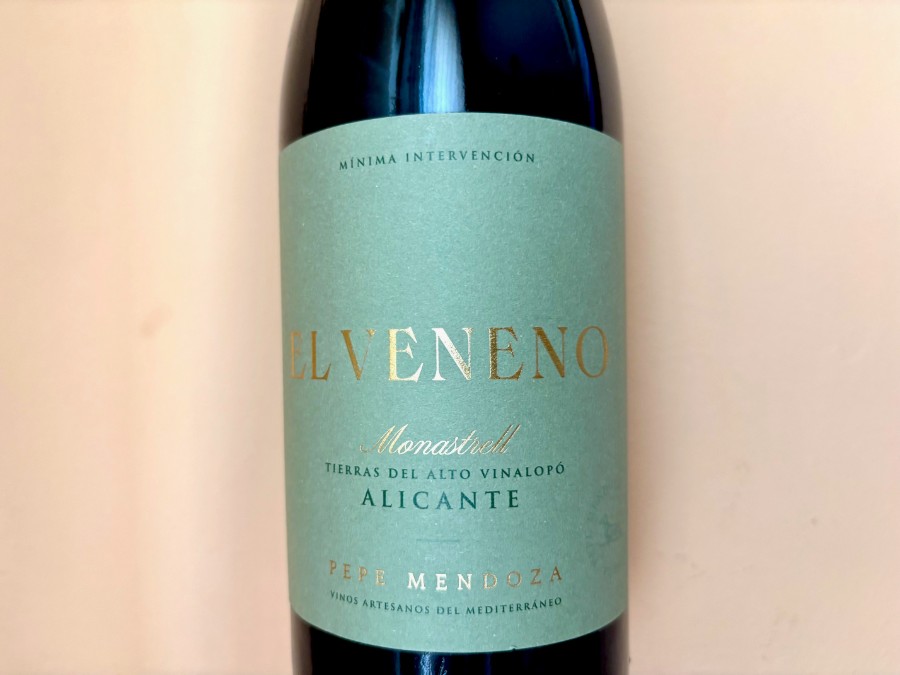
El Veneno Monastrell 2024 Red