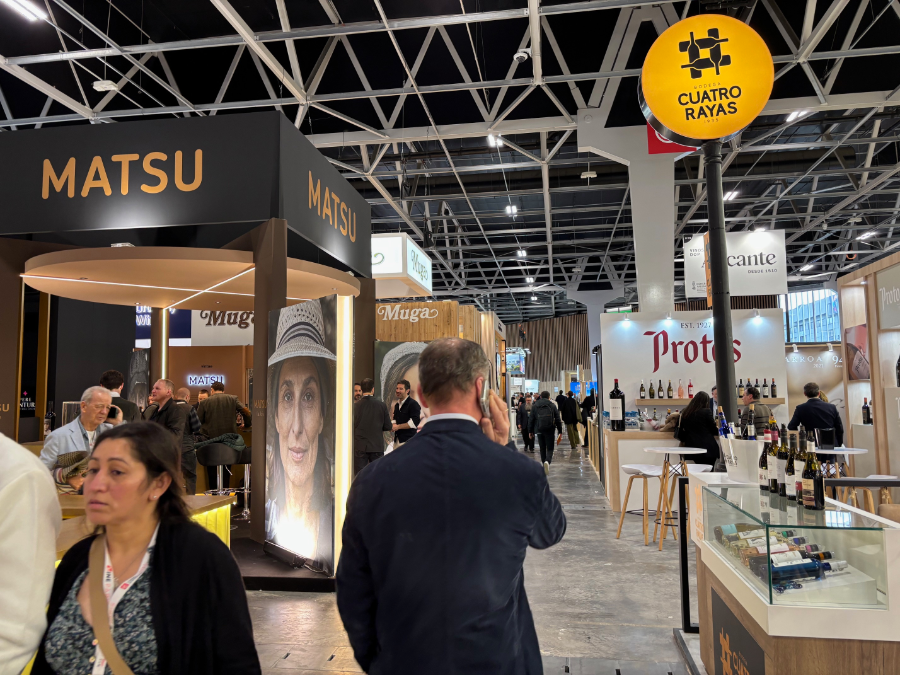
As our coverage of Barcelona Wine Week and its parallel tastings draws to a close, we wanted to step back and single out a handful of bottles that help to put into context everything we tasted over those three intense days.
The 10 wines listed here —most of them new releases— offer a telling snapshot of Spanish wine right now. The prominence of whites and rosés is no coincidence. Nor is the presence of a pet-nat, or the growing presence of varieties better adapted to a warming climate.
Spain has never before displayed such diversity of origins, styles and wine profiles. Yet this surge of creative energy unfolds against a backdrop of global uncertainty and declining consumption —conditions that do little to amplify the international perception of the quality and singularity that is now emerging across so many regions.
This is not a definitive list, nor an attempt to establish a hierarchy. Rather, it sketches a picture of the sector’s vitality and the diversity of approaches shaping Spanish wine today.
Vinya del Doctor 2023 Ancestral Sparkling, Vinestar, Can Rossell de la Serra (Penedès, without DO)
In 2022, winemaker Ricard Aliaga and sommelier Ariadna García discovered five hectares at Can Rossell de la Serra, between Sant Sadurní d’Anoia and Torrelavit, that offered the ideal setting for their venture. Surrounded by woodland and divided into small plots, the estate provided precisely what they were seeking: the possibility of working exclusively with their own vineyards.
With no family background in wine, the pair have focused on ancestral-method sparkling wines made solely from estate-grown fruit. The aim is twofold: to deliver a direct expression of site and to keep Vinestar deliberately small in scale. Current production stands at around 15,000 bottles crafted from local varieties like Xarel.lo, Macabeo and Garnacha.
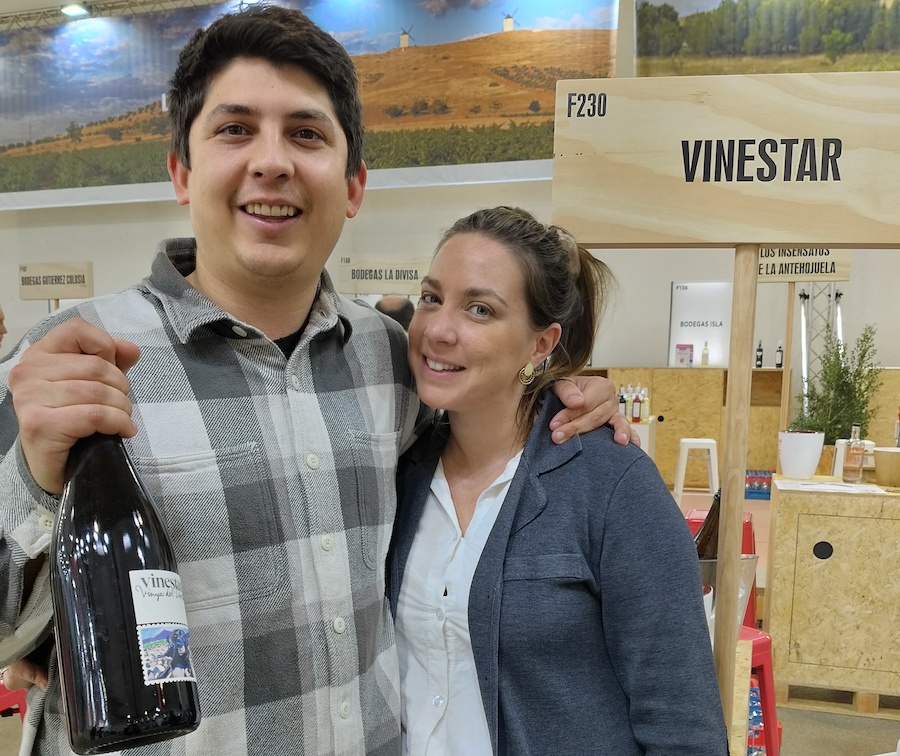
We previously featured their main cuvée as wine of the week. On this occasion, the spotlight falls on one of two single-parcel bottlings unveiled in Barcelona: the inaugural vintage of Vinya del Doctor, a 100% Xarel.lo from a small limestone plot. The name pays tribute to Ricard’s father —a doctor by profession— who supported the couple during the project’s early stages.
The wine shows a citrus-led profile, lifted by attractive herbal notes that heighten the sense of freshness. It combines great texture with a gently grippy finish, marking it out as a pet-nat with gastronomic ambitions. Just 500 bottles were produced, priced at €24.
Diez Días de Marzo 2024 White, Bodegas Vilaplana (Granada)
The Vilaplana family farms 15 hectares of vines at elevations ranging from 940 to 1,100 metres in Caniles, in northern Granada (Andalusia). Located at the foothills of the Sierra de Baza, the vineyards benefit from significant day-night temperature variations during the growing season. Drawn by his father-in-law's passion for vine growing, Luis Vilaplana left Barcelona to settle in his wife's village. They released their first wine in 2010. Today, their son Joan, who represents the third generation, is actively involved in the business and has developed a range of natural wines.
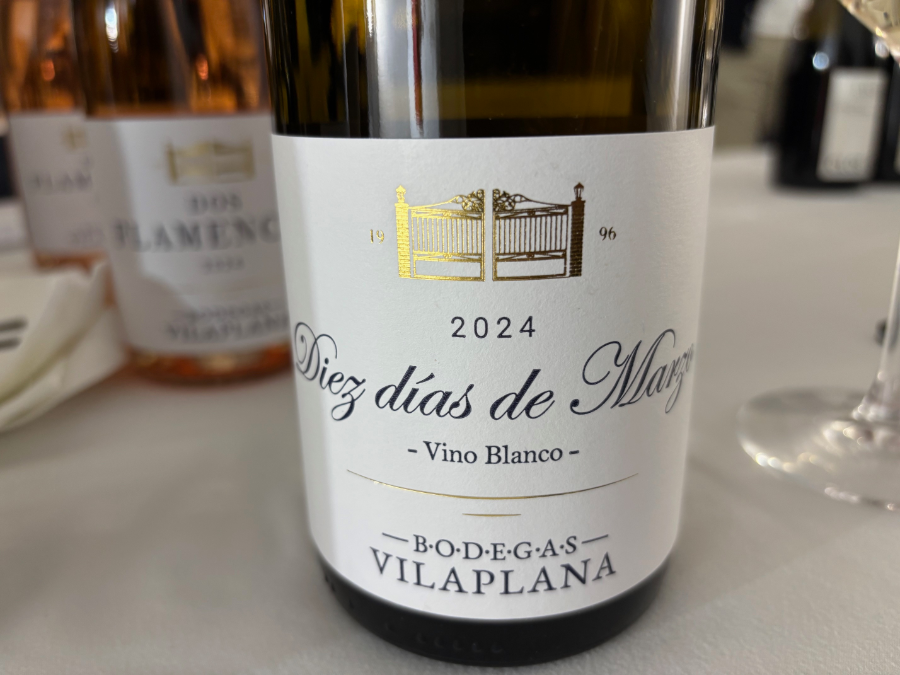
Among the wines we tasted with Luis and Joan at the Off the Record tasting, the whites made from Jaén Blanco (Cayetana) caught our attention. This variety, which has numerous documented offspring in Iberia, including Doradilla, Mouratón, Rabigato and Jaén Tinto, is the latest to ripen in the region. A round, sulphite-free single-varietal white with notes of hay and raw almond is in the pipeline. For now, however, Diez Días de Marzo, a blend of 60% Jaén Blanco and 40% Macabeo fermented and aged in tank, is available for just €12.50. With an attractive reductive note of sunflower seeds, it is juicy and textured, offering good value for money. This wine is full of character and has made its way to the wine list of the three-Michelin-starred restaurant Aponiente in Andalusia.
The name refers to a ditch and an ancient irrigation right that allowed even the humblest farms to channel snowmelt from the Sierra de Baza during the first days of March.
Ojo y Coíllo Riofrío Alto 2024 White, Ojo y Coíllo (Sierra de Montilla)
Working patiently and methodically, Miguel Castro Maíllo continues to explore the little-known yet compelling terroir of Sierra de Montilla, and more recently Moriles, where he has released a notable single-vineyard wine from barajuela soils (a prized type of albariza). His range expanded last year with a sweet Pedro Ximénez, yet his project, outside the DO framework, remains focused on white wines from albariza soils grown in the Cerro Macho area, which divides the Sierra de Montilla into two sectors: Río Frío Alto to the east and Benavente Alto to the west.
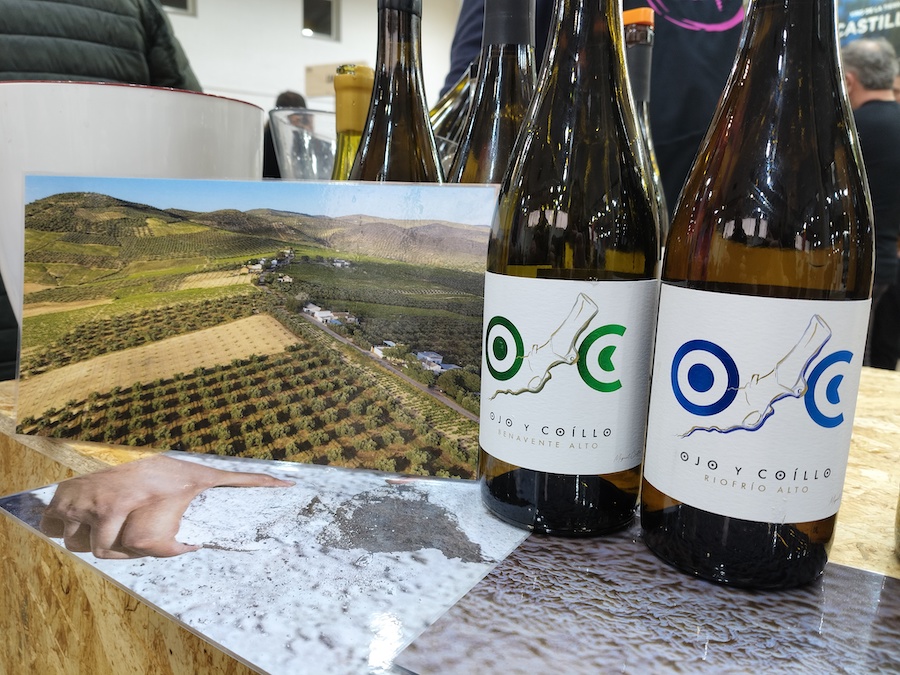
From these two zones he produces separate wines that clearly reflect their differing exposures. Benavente, more open to the sun, delivers a broader, more vinous expression. Riofrío Alto, shaded in the afternoon, operates in a more restrained register, with marked salinity, notable depth and acidity that provides firm structure. Some 1,500 bottles were filled in the current vintage, retailing at €18.
Suañé Melange 2014 White, Alonso & Pedrajo (DOCa Rioja)
At a estate as unconventional as Alonso & Pedrajo, releasing a white Gran Reserva —a category closely associated with Rioja classicism— might seem unexpected. In fact, it aligns perfectly with the independent spirit of the project founded by Alberto Pedrajo and Javier Alonso in Villalba de Rioja.
The duo have chosen to reinterpret the category on their own terms, drawing on a vineyard at 600 metres’ elevation at the foot of the Montes Obarenes, to the west of the appellation. Convinced of the ageing potential of whites from this cold area, they set aside part of the first vintage of Suañé, a blend of 80% Viura and 20% Sauvignon Blanc from their La Cala vineyard, which underwent five days of skin contact.
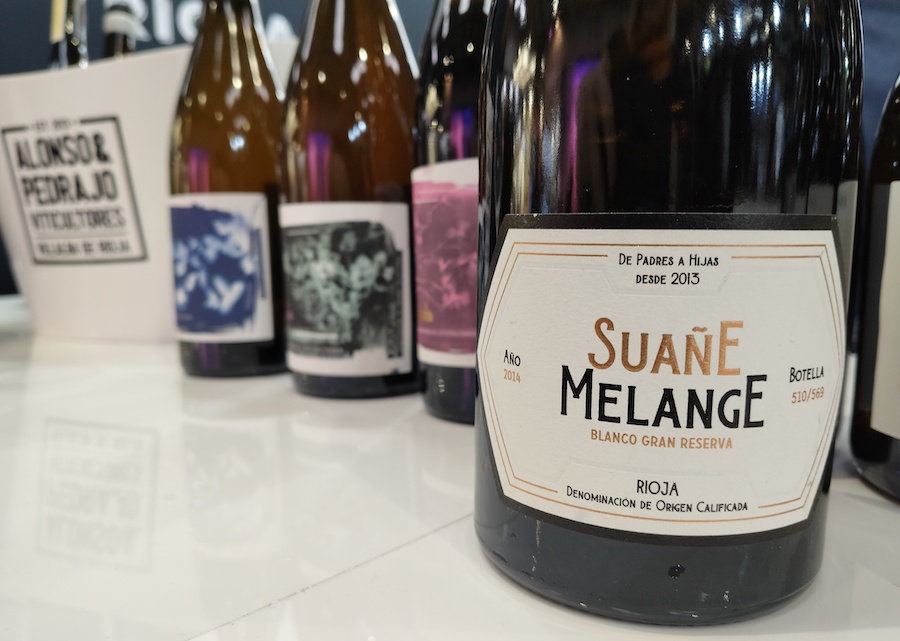
After seven years in barrel and bocoy, followed by a further three in bottle, the wine has been released in a limited run of just 600 bottles (around €100). It makes a striking impression: expressive, texturally assured and combining almond and pollen notes with the concentration and salinity brought by evolution, all framed by seamlessly integrated oxidative nuances. An original interpretation that elevates Rioja’s white Gran Reserva category.
Versos de Valtuille Pal de la Vega Godello Barrica 2023 White, Estévez Bodegas y Viñedos (DO Bierzo)
Founded in 2015, this winery marks the return to Valtuille de Abajo of the descendants of Bierzo writer Antonio Estévez, who went into exile in Mexico after the Civil War. The project comprises 17 hectares of estate vineyards, plus a further four owned by local growers, for an annual production of around 70,000 bottles. Since 2021, winemaker César Márquez has overseen production and, in the fresher 2023 vintage, has refined a style defined by greater precision and balance.
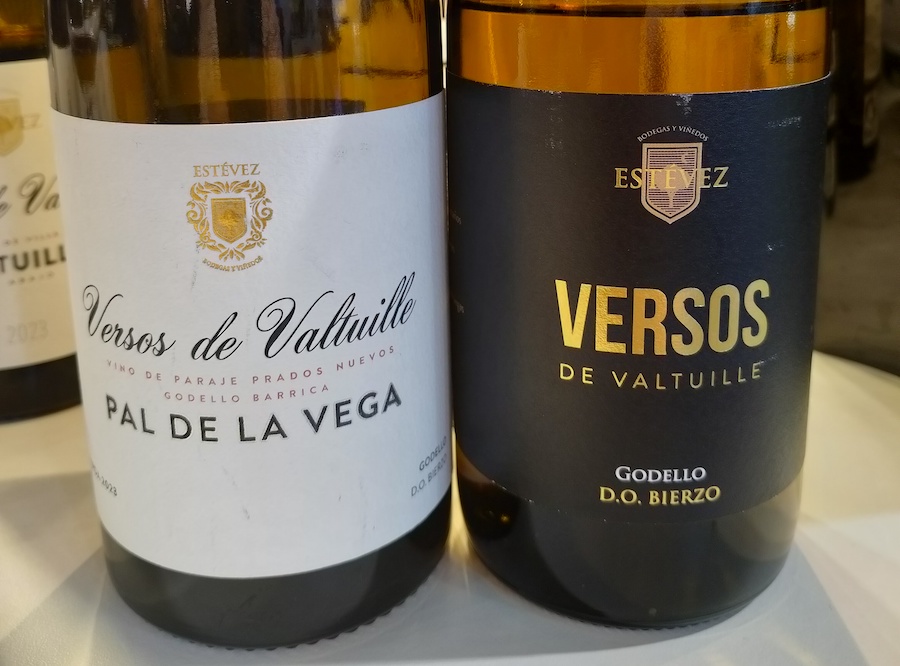
The estate’s entry-level white is an excellent introduction to Godello from Bierzo, but for a modest step up, Pal de la Vega is worth seeking out. The vines, located beside the winery at around 500 metres’ elevation, grow on clay and sandy soils and are trained on trellises after they were regrafted onto Mencía. Fermentation is spontaneous with indigenous yeasts, there is no malolactic conversion, and ageing takes place in 500-litre oak barrels with fine lees work.
After a fleeting reductive note at first, the wine reveals bright acidity, subtle spice and hints of popcorn, in a fresh, elegant style that recalls certain barrel-aged white Burgundies. Production stands at 1,500 bottles, priced at around €20.
Espantaburros Clarete 2022 Rosé, César Fernández Díaz (Castilla y León)
A small-scale producer from Ribera who sells his wines outside the DO, César Fernández Díaz farms vineyards on both sides of the Duero River: sandy loam soils in Fuentelcésped to the south, and clay-limestone sites in Peñaranda to the north. Working along Burgundian lines, Fernández produces regional, village, lieu-dit and single-vineyard wines, placing a strong emphasis on old vines. He says his youngest vineyard is 75 years old. The main advantage of growing old vines is the varietal diversity that accompanies Tempranillo, bringing freshness and agility to the wines.
Fernández is also a staunch defender of clarete, the traditional local rosés made from co-fermented white and red grapes –a stance reflected on the T-shirts on his website proclaiming “Make Clarete Great Again”. His Espantaburros is sourced from 80–85-year-old vines in Peñaranda, with around 30% white grapes, primarily Albillo. The rest are red grapes, mainly Tempranillo, with some Garnacha and Bobal. The wine is aged for around 12 months in barrels, but the oak is imperceptible. Juicy and vibrant, the wine is underpinned by lively acidity and delicate red fruit notes —quite an achievement given the scorching weather in the 2022 vintage.
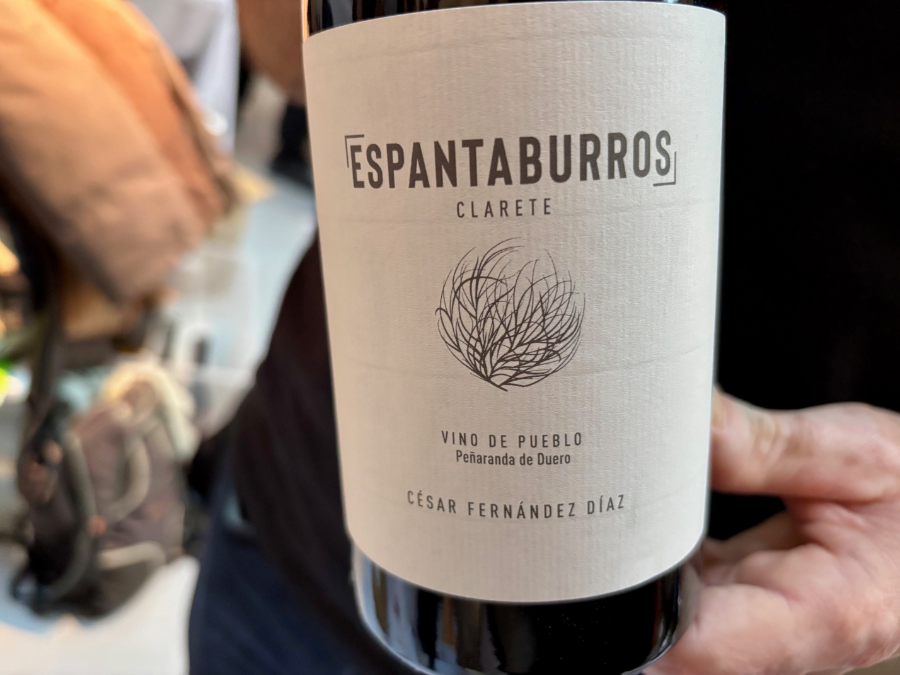
With its distinctive freshness, Espantaburros adds further depth to the growing category of age-worthy claretes from Ribera, a style featured in some of our recent articles. Whether aged in oak, concrete, or a combination of vessels, claretes are increasingly emerging as a genuine, accesible expression of the region that can be enjoyed all year round.
Roda I Reserva Perdigón 2023 Rosé, Bodegas Roda (Rioja)
Based in Haro's Barrio de la Estación, Roda has continued to expand its portfolio in step with evolving wine trends. A few years after launching Roda I white, the winery now turns its attention to a rosé intended for ageing. Most of the grapes come from Perdigón, a 17-hectare vineyard on a gentle slope at the mouth of the Tondón meander in Haro, complemented by nearby plots. Planted in 1993 to Tempranillo, Garnacha and Graciano, though only the first two feature in the blend, Perdigón is frequently included in Roda's estate tours. The 2023 harvest coincided with the vines reaching 30 years of age, thereby meeting the minimum requirement to qualify for the winery's top-quality wines, thus lending this first vintage a celebratory feel. Like the rest of the Roda and Roda I range, this rosé has been released as a Reserva.
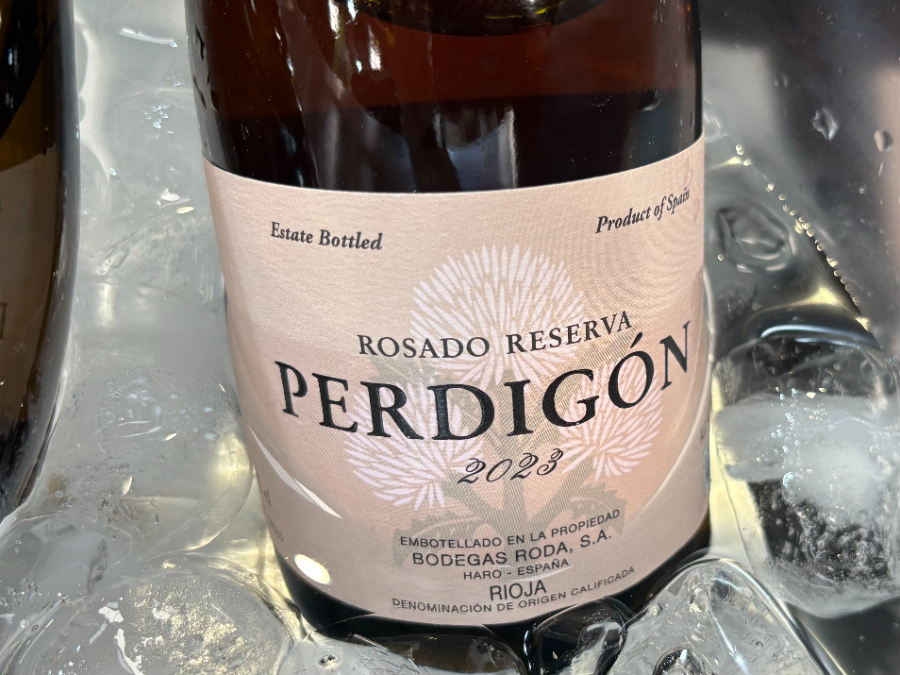
Winemaking is quite traditional, with fermentation and 15 months' ageing on the lees in used French oak barrels. The result is an opulent, structured rosé with 14.5% abv, combining savoury, almost saline notes with freshness. Future vintages will increase the proportion of Tempranillo to enhance the wine's ageing potential. After Roda I white, this is only the winery's second wine to be presented in a Burgundy-shaped bottle. The retail price is expected to be around €30.
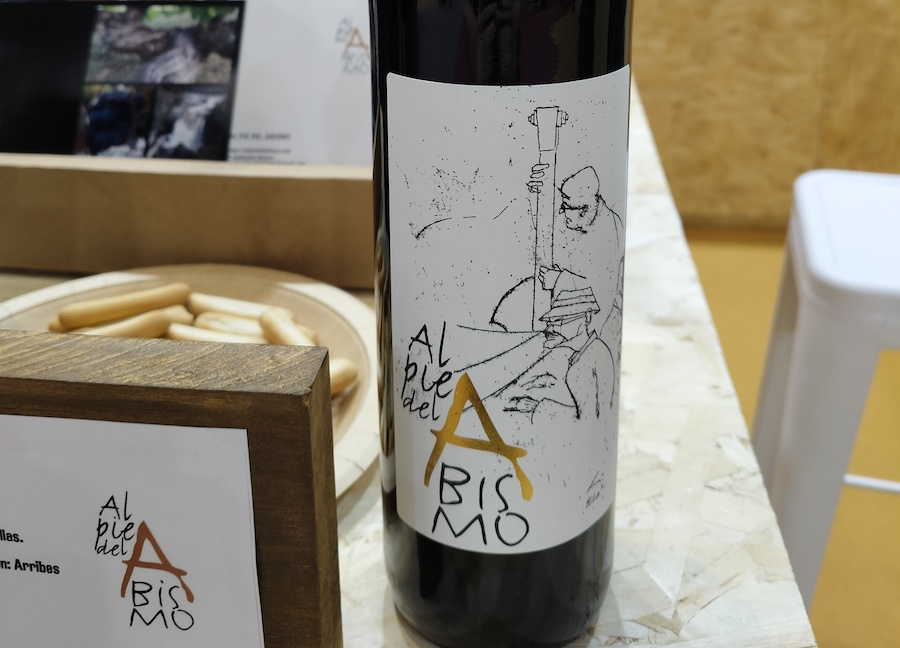
Al Pie del Abismo 2023 Red, Al Pie del Abismo (DO Arribes)
This project stems from Marta and Javi’s determination to preserve both the viticultural tradition and family legacy tied to an old vineyard in Pereña de la Ribera, within the Arribes del Duero Natural Park in north-west Salamanca. The 1.9-hectare vineyard faces north-east and sits at 750 metres on schist and quartz soils. According to Marta’s uncle, the vineyard already existed in 1936 and was planted to Juan García and Tinto Jeromo.
Tinto Jeromo, a rare variety local to Arribes, is notable for its disease resistance, late ripening and firm acidity. Recovered by ITACyL, only a handful of hectares now remain in the appellation, yet its behaviour suggests considerable potential in the context of climate change.
Neither Marta nor Javi works full-time in the vineyard —she is employed in local administration, while he combines his work as a maker of electric guitars with winemaking— yet the project exudes dedication, and they are highly active in wine tourism.
Al Pie del Abismo is their sole wine and is released only after at least two years in bottle. At Barcelona we tasted both 2022, warmer and more mature in profile with spiced notes, and 2023, markedly fresher and juicier, with seductive red fruit and elegant tannins. Both share the same blend (80% Juan García, 20% Tinto Jeromo) and 10 months’ ageing in seasoned French oak. Production totals 3,400 bottles, priced at €19.95 at the cellar door.
Cirerets 2021 Red, Mas Alta (DOQ Priorat)
Mas Alta’s Cirerets 2021 is a village wine composed of 70% Garnacha from the Cirerets vineyard and 30% old-vine Cariñena planted in 1962 on shaded costers in La Vilella Alta, on the southern slopes of the Montsant range. Both vineyards are organically certified and form part of the project launched in 1999 by the Belgian Lambrecht and Vanhoutte families, which today encompasses 70 hectares across different exposures in the village and elsewhere in Priorat.
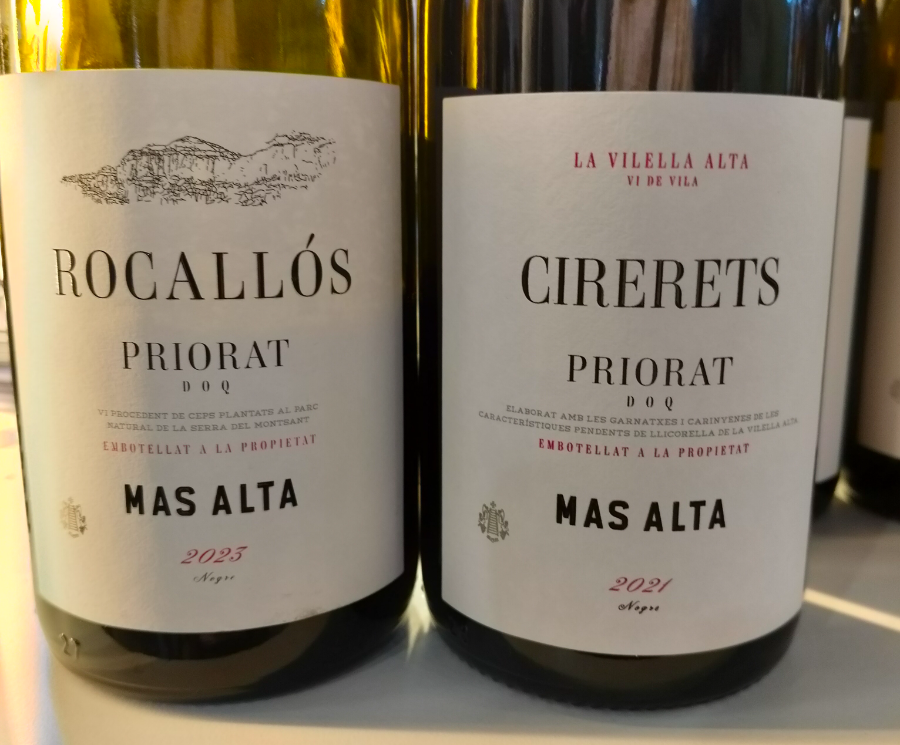
The wine is aged for 16 months in 225- and 500-litre barrels before further refinement in concrete. The result is a Priorat that marries crunchy fruit with depth of flavour, supported by enveloping structure and a welcome thread of freshness that tempers the region’s customary power.
According to winemaker Damià del Castillo, the difference in ripening times —up to three weeks— between Garnacha and Cariñena allows complementary profiles to be blended: the former contributing fruit and silkiness, the latter tension, acidity and lift. Production stands at 17,000 bottles, retailing at around €47.
El Picañón 2024 Red, A Vilerma (DO Ribeiro)
In 2024, siblings Martina and Ignacio Prieto Pariente, of Bodega José Pariente in Rueda, acquired A Vilerma, an estate that pioneered the revival of local varieties in Ribeiro. Following the purchase, they have redefined the range of wines. Alongside the flagship white cuvée, two new wines from the 2024 vintage were presented at Barcelona Wine Week: Arsenio Paz, a white aged in Austrian foudres that honours the winery's founder, and El Picañón, which continues the tradition of producing red wines at A Vilerma.
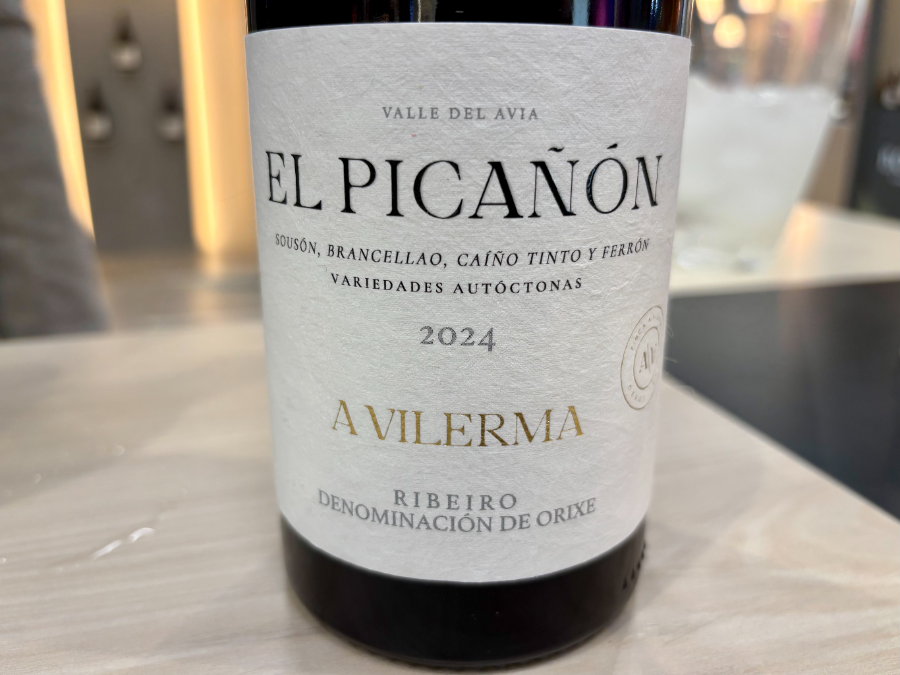
El Picañón blends Caíño, Sousón, Brancellao and Ferrón from a vineyard near the Avia River formerly owned by Arsenio himself. The wine spent 10 months in seasoned oak barrels. With an abv of 12.5%, it has a clean, fragrant character with notes of wild red berries, followed by a juicy palate with crisp texture, polished tannins and well-integrated oak. It is approachable and pleasant to drink, offering a good introduction to Ribeiro reds and its remarkable wealth of grape varieties. Retail prices range between €18 and €20.

Author
Yolanda Ortiz de Arri
A journalist with over 25 years' experience in national and international media. WSET3, wine educator and translator

Author
Amaya Cervera
A wine journalist with almost 30 years' experience, she is the founder of the award-winning Spanish Wine Lover website. In 2023, she won the National Gastronomy Award for Gastronomic Communication

Previous Post