Nanclares y Prieto, Rías Baixas
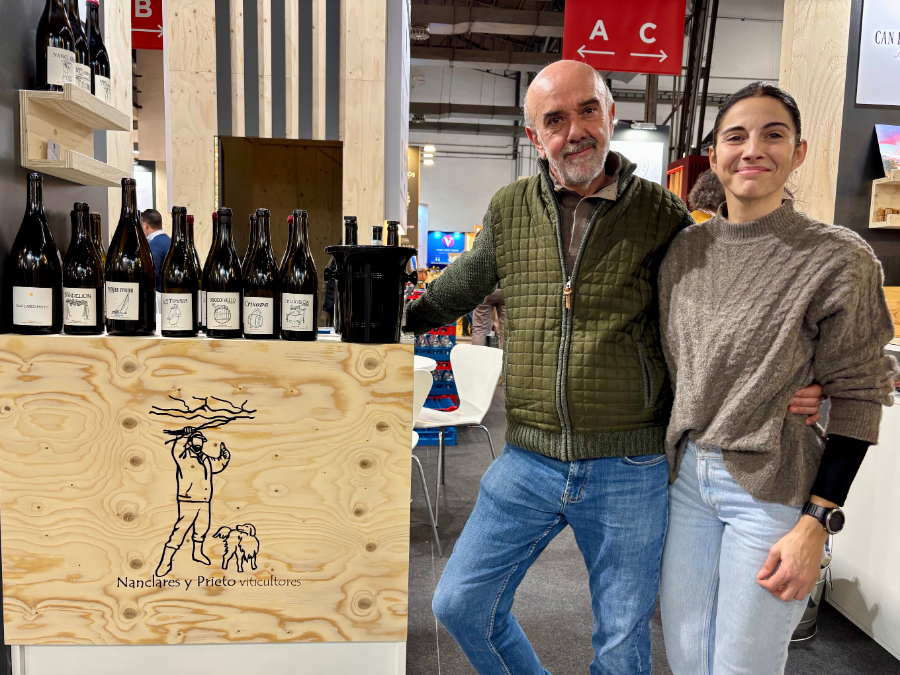
Alberto Nanclares and Silvia Prieto, the duo behind some of the most distinctive and consistent Albariños in Rías Baixas, rarely take part in wine fairs. This year, however, they made an appearance at BWW, and will also be pouring their wines at Simplesmente Vinho in Porto at the end of the month —two rare chances to taste through the range with them in person.
Alberto left a career as an economist in Madrid in the early 1990s and settled in Galicia. What began as tending the vineyard around his home in Castrelo gradually evolved: the garage became a makeshift winery, more vineyards were acquired, and by the early 2000s he was officially producing under the Rías Baixas appellation. In 2015, he partnered with winemaker Silvia Prieto and they now produce 23 different wines –whites, reds and rosés– many in tiny quantities, with annual production between 80,000 and 85,000 bottles. At BWW, they presented the 2024 Nanclares y Prieto, intended as the estate’s signature white. Although grapes are purchased from local growers, the wine carries their signature vibrant acidity. Their most widely available Albariño, Dandelion, came in 2024 from inland granite soils and perfectly illustrates their pure, vertical style. By contrast, Tempus Vivendi, sourced from vineyards close to the Atlantic, is broader and more enveloping.
From their own vineyards, Alberto Nanclares (5,000 - 7,000 bottles) stand out. The 2024 combines juiciness and character, with floral and dry-stone notes. It develops beautifully in the bottle, as the still intense 2017 attests. If pressed to choose a single bottling that captures the estate, this would probably be it.
The limited-production Albariños form a study in textures, influenced by soil, winemaking methods and ageing vessels. The porosity of terracotta pots lends La Tinaja de Aránzazu a gentle roundness despite the naturally high acidity of the grapes. Chestnut barrels give Fogar do Castriño earthy undertones. In Bocoi Vello de Silvia the grapes are left on the skins for two days, while the shallow soils of A Graña translate into a distinctive character of dry stones.
We missed the reds this time, but we were particularly impressed by the Chuvisca Galega rosé. A blend of Caíño, Mencía and Espadeiro, it channels the fresh, slightly untamed Atlantic personality of the region's red varieties, without any green flavours or astringency from tannins. Unfortunately, only 650 bottles are produced, but we think rosés might be worth exploring.
Casa Vinícola Moliniás, Huesca
In Sobrarbe, in the province of Huesca, vineyards climb to 900 metres in the rugged landscape of the Fueva Valley in the Pyrenees. This is the setting for Casa Vinícola Moliniás, a small-scale venture led by Nicolás Brun and Rebeca Araujo (pictured). They first arrived when Brun’s parents invited them to run the restored farmhouses on the Moliniás estate as rural accommodation. In the process, they uncovered a near-forgotten viticultural heritage –Brun estimates that close to 2,000 hectares were once planted here– and set about reviving it.
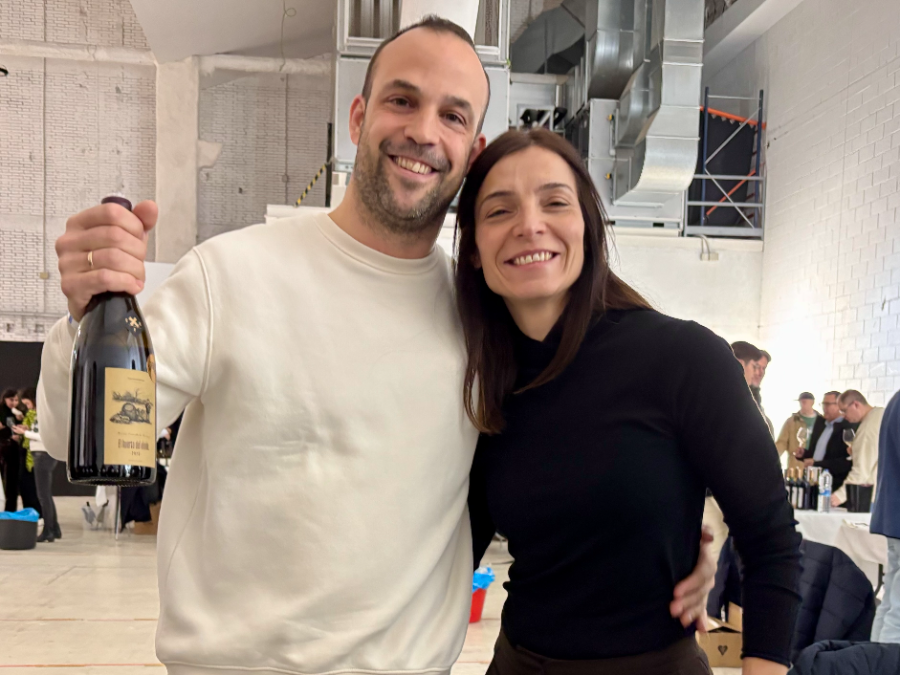
Growing grapes in such isolation comes with obvious challenges. Wildlife and severe weather are constant threats. Hail is the main climate risk; electric fences keep deer and wild boar at bay, but birds remain undeterred. “We make wine from grapes that the animals leave us,” jokes Brun.
The project includes a handful of surviving old vineyards leased from local farmers, as well as new plantings. The older sites are located between 700 and 800 metres above sea level on riverbed soils and are destined for the Diaples range (€26, devils in the local dialect, a nod to the American rootstock shoots that were notoriosuly hard to remove. White varieties include Macabeo, Alcañón and Garnacha Blanca, while reds range from Garnacha, Moristel, Parraleta and Tempranillo to Cabernet Sauvignon, although many others remain unidentified. The white Diaples offers ripe fruit aromas, but the palate is driven by vibrant acidity and dry stone notes. The red, at a modest 12% abv, is fragrant and crisp, with a herbal lift. In this case, the skins are kept for almost 60 days after fermentation to allow for very slow extraction, and the wine is aged in 600-litre barrels and concrete tanks.
El Huerto del Olvido (1,200 bottles, €40) comes from their own Garnacha vines, planted in colluvial soil at up to 900 metres. Harvested in mid-October and bottled at 12.5% abv, the wine shows rounder, riper fruit with an earthy background. Production stands at around 10,000 bottles for now, but the goal is to reach 25,000. Visitors can stay on the estate and tour these unique mountain vineyards –a compelling extension of the project.
Bodega Clandestina, Penedès
Ferran Lacruz is one of a new wave of young producers reshaping the conversation in Penedès. A founding member of Vida Penedès, he is part of a movement determined to showcase the region’s capacity for articulate, characterful wines. His family traditionally sold grapes from rented land, so he has a good understanding of the state of local viticulture.
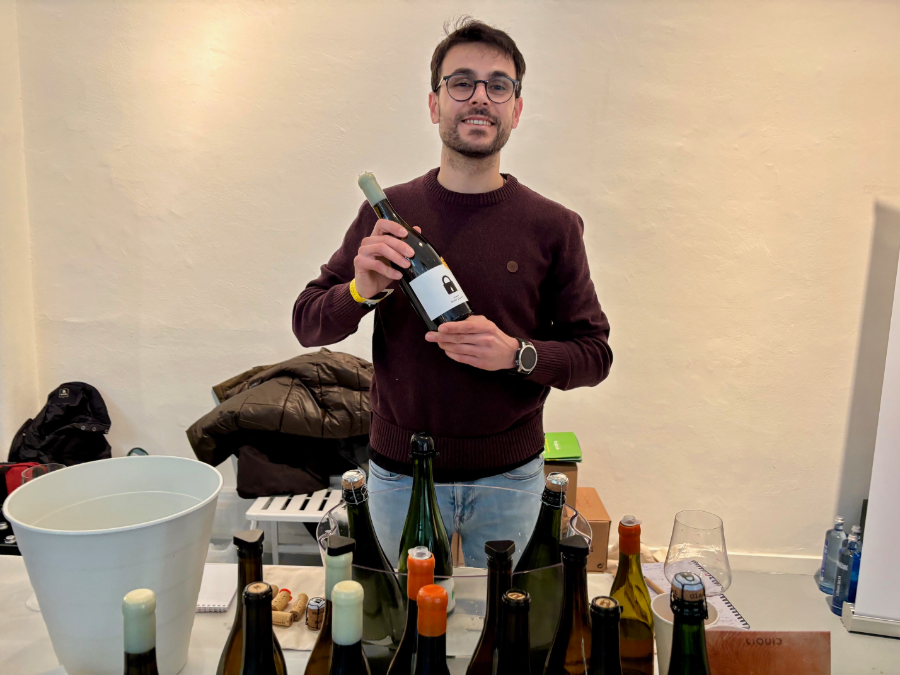
Based in San Martí Sarroca, he champions low-intervention wines, focusing on precision and meticulous work, both in the vineyard and the winery. Alcohol levels are restrained —most of his wines do not exceed 11% abv— often achieved through staggered harvest dates. The idea of clandestinity runs through the range, from the padlocks on the labels to the names themselves, lending a clear identity to a production of 20,000-25,000 bottles a year.
The most widely available wines are El Soci, Sense Papes and Confiscat. The first is a fresh, balanced, easy-to-drink Macabeo made in tank. According to Lacruz, it is great to drink while watching football without the need to dissect every glass. Sense Papers is a juicy Xarel.lo produced from three staggered harvests that combines freshness and texture with the ripeness of the latest picking. Confiscat, the estate’s pet-nat Xarel.lo, spends 72 months on its lees, yielding honeyed and citrus notes with perfectly integrated bubbles.
Among the limited-production wines, the skin-fermented styles stood out. Blanc Fugitiu, a Xarel.lo that spends four weeks with 15% of the skins and is briefly aged in 500-litre seasoned barrels, displays the variety's fine aromatic profile, with plenty of aniseed and herbal notes. It has sufficient weight on the palate without the overly tannic character sometimes associated with orange wines. Cariñena Blanca, a variety that Lacruz re-grafted onto Merlot vines, is the base of the energetic, citrusy Orange Censurat that manages to retain finesse.
Imputat, his take on the tannic, rustic Sumoll, is also refined. Sourced from the first vineyard that Lacruz planted with his uncle, the wine is fragrant, fruit-driven and weightless. For this producer, the Mediterranean is best expressed through finesse and subtlety.
Agrícola Calcárea, Sanlúcar de Barrameda
We first met Juan Jurado in 2024 at the inaugural Liquid showroom, the offshoot event running alongside Barcelona Wine Week. A former sommelier with an international CV, now turned grower, Jurado was then taking some of his first steps in presenting his albariza-grown whites to the trade. Back in 2021, he had taken the plunge, investing his savings in just over a hectare of vines in Pago Miraflores, in Sanlúcar de Barrameda.
At this year’s Liquid, Jurado returned with the same albariza wines, but with a clearer sense of identity. The labels —now unified under a single design by Sanlúcar-based artist Laura Millán— signal a project that feels more cohesive and more assured in its long-term direction.
Sanlúcar is home, yet Piedmont has become a fixed point in his calendar. Each year Jurado heads to work the harvest with Olek Bondonio, one of the leading names in Barbaresco. The two share a strikingly similar philosophy: organic viticulture, some use of biodynamics and a distinctly terroir-driven approach in both vineyard and cellar.
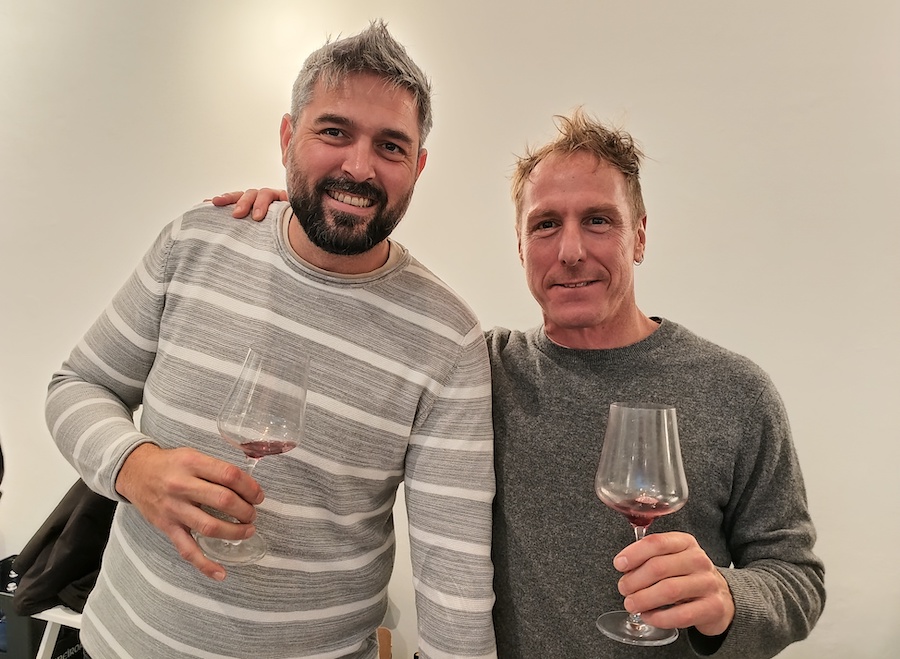
The 2025 vintage was painfully short in the Sherry region —yields were down 45% from the previous year— and Jurado felt the pinch. In response, Bondonio offered him Nebbiolo grapes. The result is a wine whose final classification remains undecided: Langhe, Jurado’s preferred option, which would allow earlier release and, as he puts it, “bring in some cash”; or Barolo, which Bondonio believes better suits a wine that, in his view, demands longer ageing. A healthy debate continues. Even at this early stage, the wine shows fragrance, freshness and poise, with an appealing tension.
The open question is whether this Nebbiolo will remain a one-off, a kind of pop-up experiment, or whether it marks the beginning of a new exchange. Could we see a white albariza wine with a Piedmontese signature?
Hontza, Rioja Alavesa
Grandson of a shepherd and son of a farmer, Iker García lives in Labraza, on the border between Álava and Navarra. With barely 100 souls and perched at 670 metres, it is one of the most beautiful —and least known— villages in Rioja Alavesa. Here García farms 12 hectares of vines aged between 30 and 100 years, producing around 10,000 bottles a year. The estate is certified organic and farmed under biodynamic principles and minimal intervention. Beyond the vineyards —surrounded by pine woodland where a pair of eagle owls nest (hontza means owl in Basque)— the project extends to 70 hectares of cereal, also organic and biodynamic. This is agriculture in the broadest sense, not merely viticulture.
Tempranillo forms the backbone of the vineyards, alongside smaller plantings of Garnacha, Graciano, Viura and Mazuelo. Garaya, his elegant single-vineyard wine (500 bottles, €42), comes from the oldest plot and spends 18 months in French oak. While old Tempranillo clones take centre stage, the blend also includes 30% white grapes and a handful of local rarities: Miguel de Arco, Maturana Tinta, Tintorera and Calagraño.
Alongside three single-vineyard wines, García structures the rest of the range into two more accessible tiers. The “by the glass” wines —fresh and glou-glou— are a white and a red under the name Too Mahats (mahats means grape or vine in Basque, its pronunciation playfully echoing “too much”). Hontza is the name of the village wines: three in total. A brisk, agile white blend of Viura and Calagraño, with six days of skin contact and ageing in 500-litre chestnut barrels; a red combining the four classic Rioja varieties plus Maturana Tinta; and Hontza Selección, produced only in selected vintages.
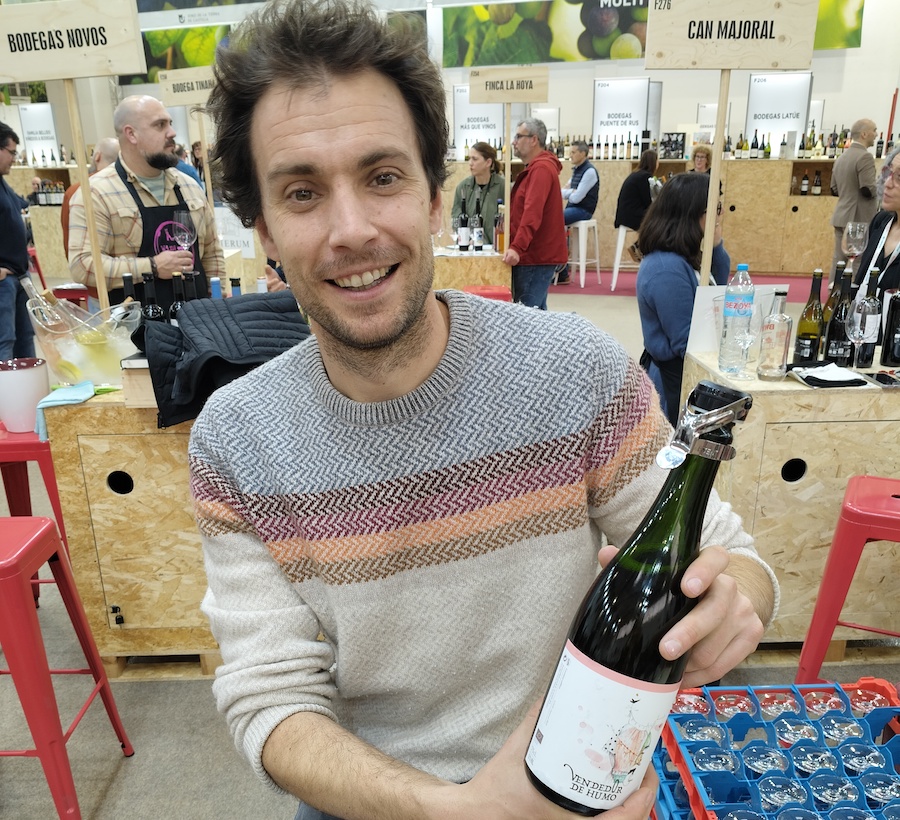
Although he admits that filling those 10,000 bottles consumes most of his energy, García still finds room to experiment. He has made a direct-press Tempranillo rosé blended with saignée Mazuelo and Graciano, as well as a bright, intriguing ancestral-method sparkling wine, also from Tempranillo. Both go under the tongue-in-cheek name Vendedor de Humo —literally “seller of smoke” — and retail via his website at €20.

Author
Amaya Cervera
A wine journalist with almost 30 years' experience, she is the founder of the award-winning Spanish Wine Lover website. In 2023, she won the National Gastronomy Award for Gastronomic Communication

Author
Yolanda Ortiz de Arri
A journalist with over 25 years' experience in national and international media. WSET3, wine educator and translator
Previous Post