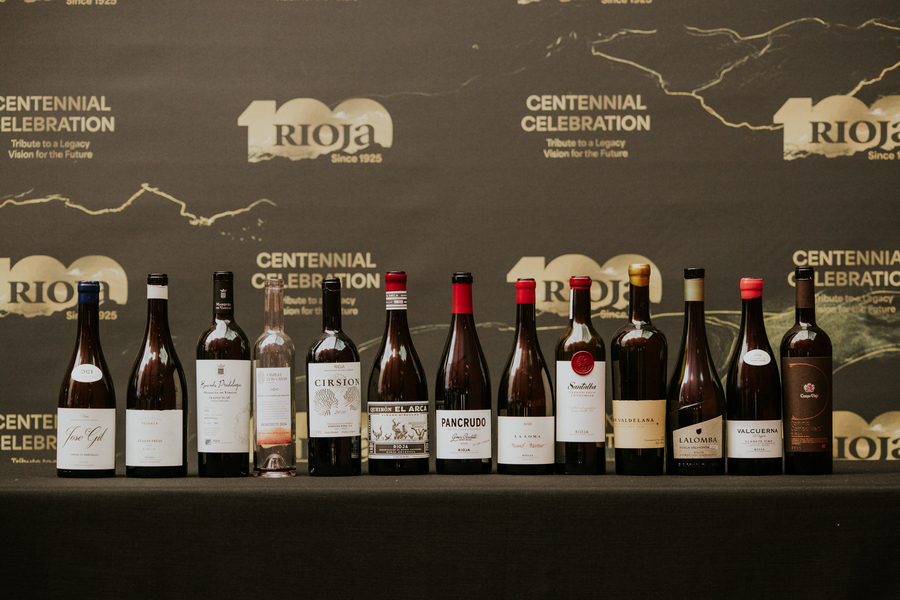
Following the flurry of events marking the DOCa’s centenary in 2025, Rioja drew the celebrations to a close in mid-February with a final gathering for leading international critics and professionals.
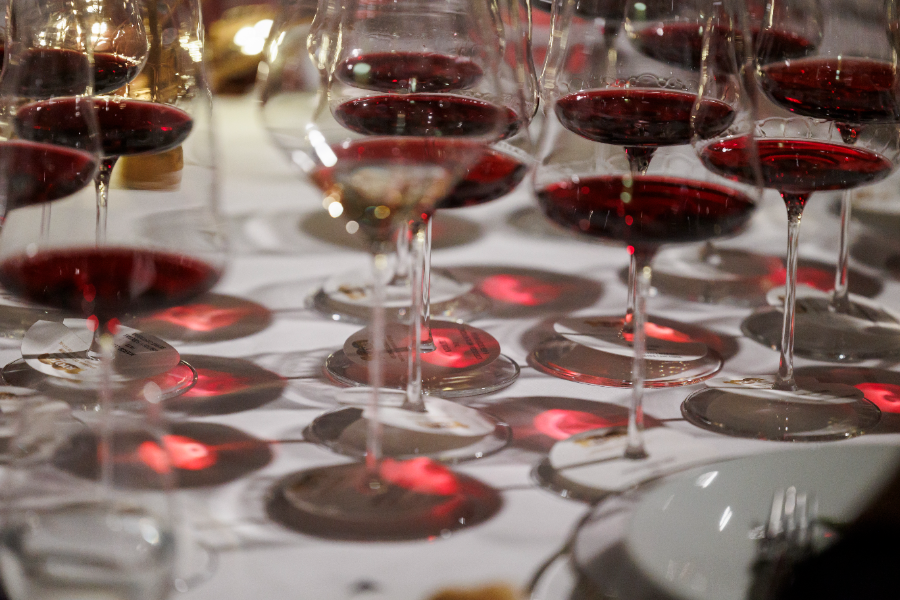
The Regulatory Board organised two guided tastings at the Rioja Cultural Centre in Logroño followed by a gala dinner at the Vivanco Museum of Wine Culture in Briones, where some of the appellation’s finest wines were served. The selection featured classic brands, including old vintages, alongside contemporary expressions.
Many of the wines were familiar to the attendees, yet tasting them side by side had a cumulative, almost amplifying effect. By the end of the day, Rioja’s breath of styles and personalities, its enduring commitment to age-worthy wines, and its capacity for reinvention were beyond dispute.
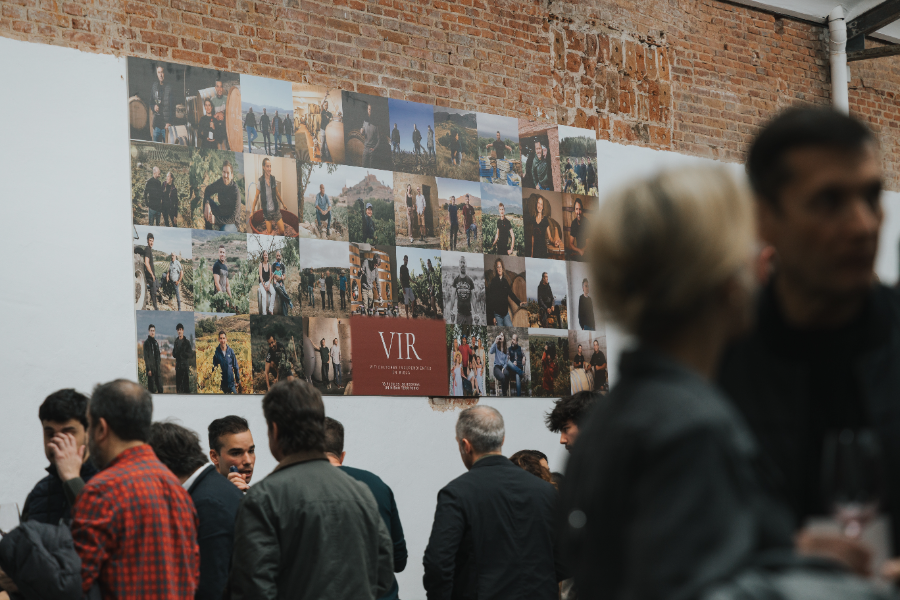
Two weeks later, the spotlight shifted to a more forward-looking cohort at the first VIR exhibition in Madrid, which brought together 38 'Independent Rioja Winegrowers'. Largely driven by younger producers, but with the presence of figures such as Abel Mendoza Monge —widely regarded as a reference for the new generation— the group championed small-scale production. They also reclaimed a family-led, artisanal narrative, which they feel has been appropriated by larger, industrial wineries. Led by well-known names such as Artuke, Miguel Merino, Vignerons de la Sonsierra and Oxer Bastegieta, a different Rioja came into focus, one rooted in vignerons, villages and emerging talent. The event was notably inclusive, with the participation of Gil Berzal, who left the DOCa in 2024. The presence of the president of the Regulatory Board, Raquel Pérez Cuevas, and its director, Pablo Franco, who tasted alongside fellow guests, signalled the new board's open-mindedness. In a region often prone to division, it marked a meaningful step forward.
A bittersweet centenary
Speaking in Logroño a few days earlier, Pérez Cuevas had underlined the importance of the human factor, the region’s rich diversity of grape varieties, and the growing potential of white wines as key assets for the future of Rioja. “Diversity is our legacy, and when it is underpinned by quality, it becomes a strength,” she said.
Unfortunately, the celebrations were tempered by economic reality. In 2025, Rioja wine sales fell by 4.5% to just under 230 million litres (over 312 million bottles). According to Lo mejor del vino de Rioja, this marks the lowest figure since 2001, when sales barely exceeded 220 million litres.
“We are approaching the situation with realism and perspective. We are fully aware of the challenges facing the industry and the changes in consumer habits. We are listening, learning, and preparing for the future,” the president added.
The wines of the events were selected by an advisory committee comprising Master of Wine Pedro Ballesteros; wine educator and expert Juancho Asenjo; and Elena Adell, who spent several decades as winemaker at Campo Viejo. The line-up was structured into two tastings: one dedicated to the “new Rioja”, the second to the region's historical milestones. The wines served at the gala dinner combined both themes.
This first article focuses on the new Rioja and its links with VIR, including the wines served at the gala dinner that fit this profile. A second article will explore Rioja’s historical perspective, followed by a closer look at the trends we spotted at the gathering of independent winegrowers.
Small players are a driving force
The opening wine at the centenary tasting came from Vignerons de la Sonsierra, a project founded by José Gil and Vicky Fernández in San Vicente de la Sonsierra, which has risend rapidly to prominence in recent years. The couple have been instrumental in the VIR movement, with Vicky playing a particularly important role. Their wine, José Gil El Bardallo 2024, is a fragrant, pure Tempranillo-based red combining herbal nuances and crisp fruit in the style favoured by younger producers, while retaining sufficient depth. It comes from a prized, cool site at 550 metres in San Vicente, which other young producers are also currently bottling.
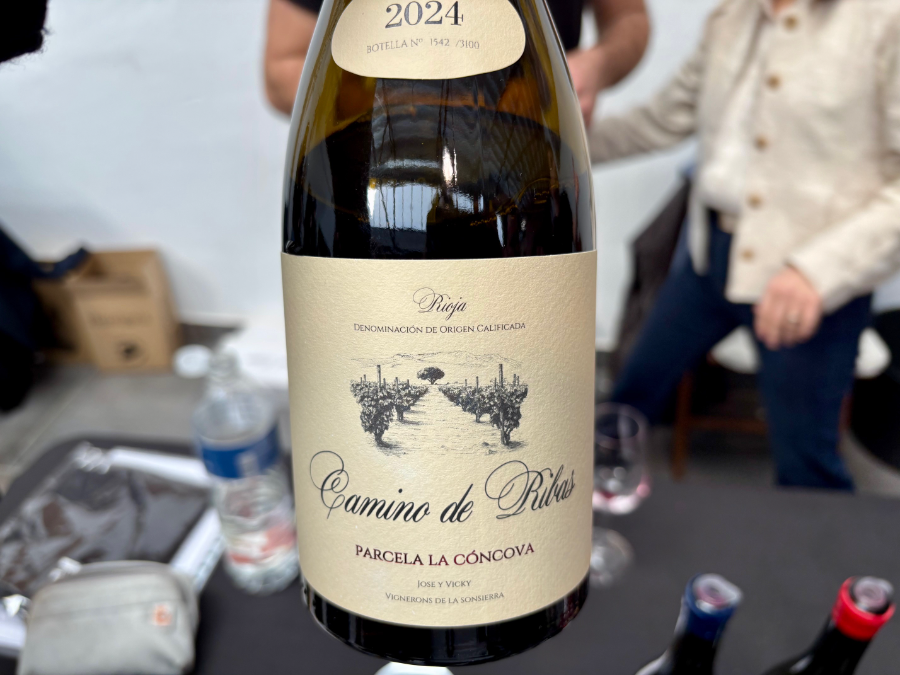
It was wonderful to revisit the wine at the Madrid tasting, alongside the vibrant, ethereal and spicy Camino de Ribas Parcela La Cóncova 2024, which is 80% Garnacha. The vines, planted in 2016 using the same material as the the exceptional La Cóncova 2018 —the wine that first brought Vignerons de la Sonsierra to wider attention— reflect the couple’s belief that the future lies not only in old vines, but in the careful selection and planting of sites Camino de Ribas is also a reinterpretation of a classic Rioja style, presented in Burgundy-style bottles and featuring a significant proportion of Garnacha. Only time will tell how these wines evolve in bottle and what ageing potential they hold. Worth watching, too, is the forthcoming 2024 vintage of El Calado del Espino, which marks a significant quality leap in the couple’s white wines.
Other producers featured prominently at both events. Miguel Merino presented his sought-after La Loma 2022 in Logroño and followed it with a remarkably persistent 2023 vintage in Madrid. Single-vineyard wines are among the most significant contributions of Miguel Jr. to the estate founded by his father in Briones. La Loma, a hillside vineyard where clay soils starting in Rodezno and Santo Domingo meet the Sonsierra limestone, is ideally suited to producing elegant, finely textured, terroir-driven Rioja wines. Equally compelling is Mazuelo de la Quinta Cruz, a bold yet vibrant expression harvested at relatively low ripeness. Grown on the poor, gravelly soils of Monte Calvario, the 2023 (12.5% abv) displays blue fruit, tension, and a subtele earthy undertone, conveying a sense of authenticity.
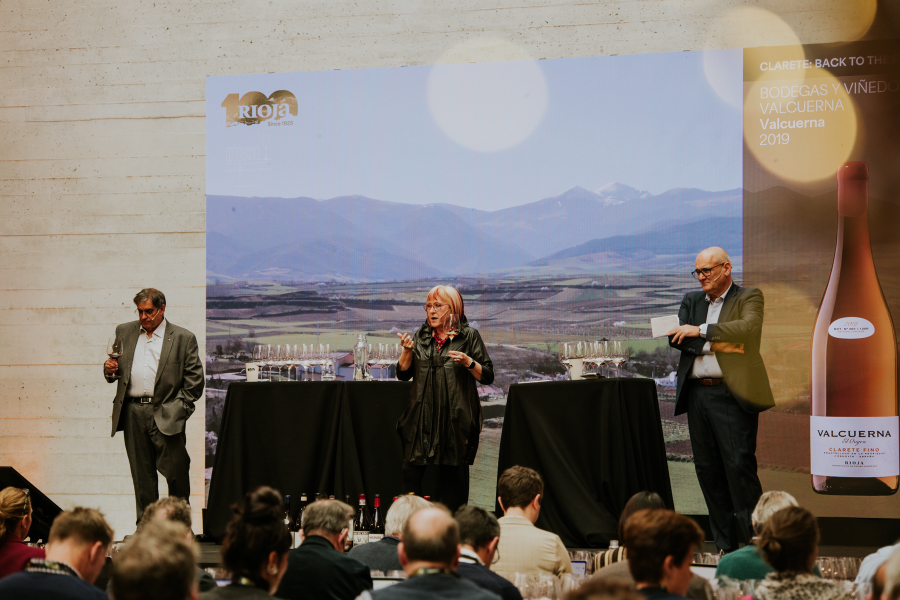
The Benés family’s Valcuerna estate in Cordovín (Alto Najerilla Valley) also featured in both events. Since a new generation took charge in 2011, the focus has shifted towards wines from their finest vineyards. Clarete Fino El Origen 2019 captures the essence of a village where white and red grapes are planted in near-equal proportions.
This wine attracted considerable attention from the international press. It is a blend of 50% Garnacha, 40% Viura, and 10% other varieties from the Tejares plot, which was planted in 1927. After three years in tank, initially on its lees during the first year, the wine benefited from bottle ageing, developing orange peel notes, tension, an excellent texture and persistence. It is extremely versatile —it's hard to imagine a scenario in which it wouldn't be appealing. The 2023 vintage (only 875 bottles) shown at VIR, was even juicier and tighter. Kudos to this refined, elegant, oak-free interpretation of the traditional Cordovín claretes, made from red and white grapes.
Another key player present in VIR and, the centenary celebrations was Artuke (Baños de Ebro, Rioja Alavesa), represented by its flagship single-vineyard red: La Condenada 2023. Served in magnum at the gala dinner, it retained a strong connection to the cosecheros tradition, with vibrant, lively fruit echoing carbonic maceration and exuding energy and character. Its distinctive aromatics and long finish were particularly striking. It's a shame that so many of the estate’s wines are drunk at a very young stage.
Tools for the future
What, then, are Rioja's greatest assets in the face of climate change? One answer lies in the recovery of forgotten grape varieties. Among the most intriguing wines of the centenary was an experimental 2024 Benedicto, produced by Familia Luis Cañas as part of their varietal recovery project. Benedicto is special because it is the mother of Tempranillo (Albillo Mayor is the father). This wine comes from just 37 vines identified in old family vineyards. Working alongside the Institute of Vine and Wine Sciences in Logroño, this Rioja Alavesa producer produced its first 17 bottles of Benedicto in 2019.
While it shares some similarities with Tempranillo, notably its blackberry fruit expression, Benedicto has a wilder, more rustic edge, with earthy nuances, intensity and depth, good acidity, and a refreshing finish. Despite being an experimental wine, it held its own alongside its peers underlining the untapped potential of Rioja’s native grape varieties.
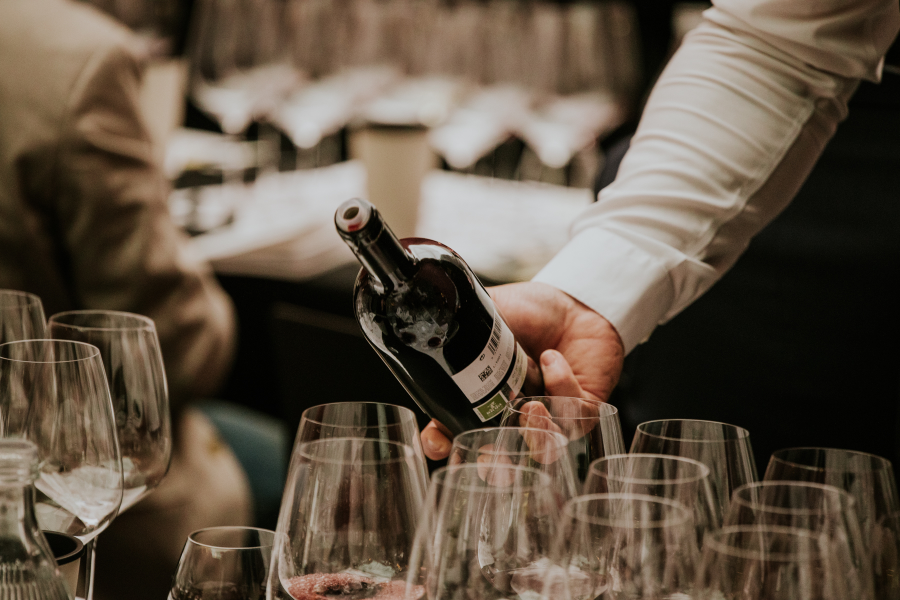
Another key strength lies in what Juancho Asenjo describes as the new geographical, climatic and topographical frontiers. The white wine Añadas Frías 2023 from Bodegas Pujanza illustrates this clearly. Conceived by Carlos San Pedro as a wine of tension and freshness, it is produced only in the coolest vintages. In warmer years, the same vineyard, at 600 metres elevation, is bottled under the name of the plot, S. J. Anteportalatina. Still youthul, the 2023 vintage proved to be spicy, citrusy and with vibrant acidity.
Garnacha, the emerging queen
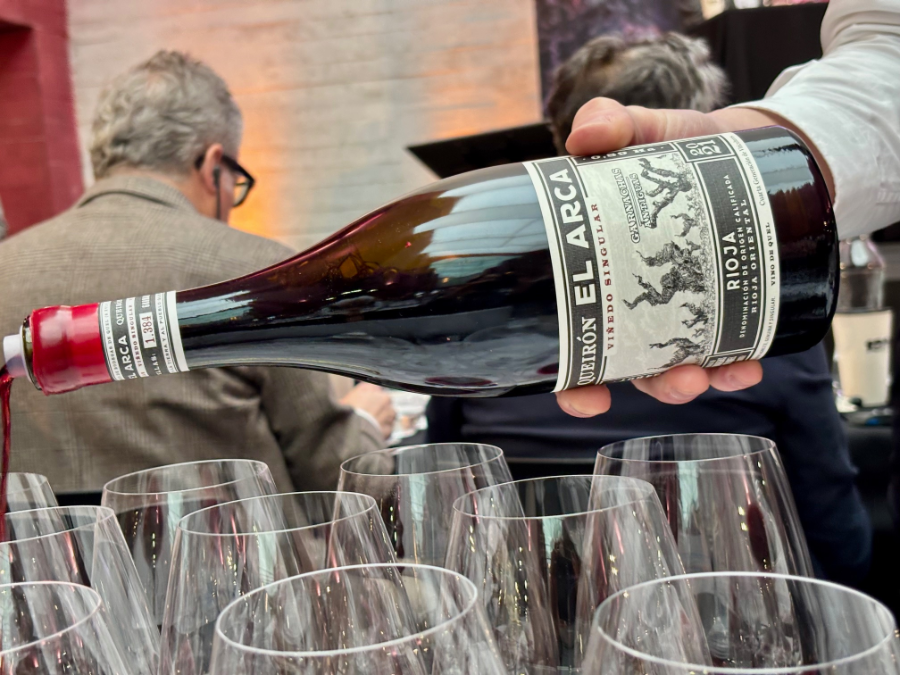
Alongside Tempranillo, no variety attracted as much attention as Garnacha. Those attending the centenary tasting were treated to two Garnachas from the Najerilla Valley in Rioja Alta and Quel in Rioja Oriental respectively: Gómez Cruzado Pancrudo 2023 and Queirón El Arca 2021 from the president’s family winery. Pancrudo reflected its cooler origins, with herbal notes, crisp fruit and a touch of black pepper, while Queirón expressed its Mediterranean qualities, marked by aromatic herbs, orange peel and an opulent, enveloping texture. There was no clear winner, but the comparison illustrated the diversity within niche categories. Of all the grape varieties in Rioja, Garnacha stood out as the most sumptuous and mouth-watering.
This impression was reinforced by the evocative Quiñón de Valdelareina 2023, the first vintage of a new single-vineyard wine recently released by Álvaro Palacios. The 1.4-hectare plot in Monte Yerga lies slightly higher than Quiñón de Valmira (700 metres elevation versus 616 metres) on reddish soils with a clay component. The result is a Mediterranean Garnacha that combines subtle spice with depth and structure.
We tasted it alongside Yzar 2020, a new top-tier Garnacha rosé produced by Miguel Ángel de Gregorio at Finca Allende –not to be confused with the red Yjar from Remelluri. With fewer than 500 bottles in the market and priced at around €150, it takes its name from a vineyard in Briones planted in 1970 on marl soils. After ageing in French oak for 20 months, it retains plenty of fruit and combines a fragrant, ethereal quality with weight and seriousness on the palate.
White wines step into the spotlight
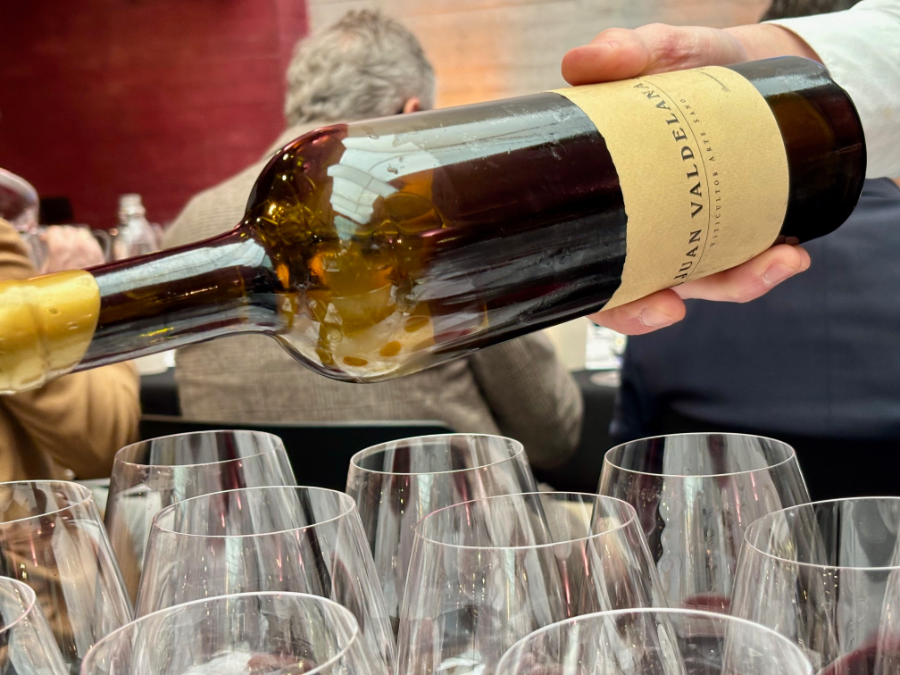
Perhaps the greatest surprise for international critics came from the white wines. Many of those presented at the centenary were historic brands and long-aged wines, a subject we will write about in our next article, but the “new Rioja” tasting also offered a glimpse of emerging styles. In addition to Añadas Frías, the tasting included Juan Valdelana 2022, which was perhaps intentionally chosen to taste youthful and to illustrate the growing trend towards age-worthy whites. Part of a project by siblings Juan and Judit Valdelana, it draws on old vineyards carefully selected in Rioja Alavesa and planted over a century ago in Elciego. The blend —Viura, Malvasía, Garnacha Blanca, Maturana Blanca and Calagraño— delivers citrus and spice, with subtle medicinal hints, fine texture and persistence.
Categorised as Gran Reserva and having benefited from bottle ageing, the 2018 Remírez de Ganuza Olagar poured at the dinner displayed great elegance and a smooth, enveloping texture, as well as ageing potential. It is a fine example of a producer once focused on red wines now embracing whites with increasing ambition.
More stories of diversity
One of the most intriguing wines we tasted was Santalba Veinticinco Vendimias CVC, a multi-vintage blend that repositions a traditionally entry-level wines within the premium segment. Created to mark the estate’s 25th anniversary, the centenary of Rioja, and the founder's 60-year career in winemaking, only 1,218 bottles were produced from old bottles kept in the cellar. The blend combines excellent vintages, such as 2001, 2004, 2005, 2010 and 2019, with others of personal significance to the family, including 1999, 2000, 2008, 2011, 2016 and 2021. The result is a wine that balances maturity and youth, with tertiary nuances, toasted and dried herbs, and underlying tension and freshness, all framed in an unmistakably Rioja character. It is a reminder that revisiting classic styles can be a valuable source of inspiration.
The topic of super-selection was explored with an opulent Cirsión 2010, made by Roda from harvest-selected bunches, whose tannins undergo polymerisation in the grapes. Still showing considerable fruit, it displayed impressive ageing potential. Lalomba's Finca Valhonta 2020 highlighted alternative ageing vessels, completing its maturation in concrete rather than oak to preserve the cool climate character of the Montes Obarenes fruit (grapes area sourced from a vineyard in Villalba).
Resilience, meanwhile, was embodied by Hacienda Prado Lagar Viñedo Singular 2018 from Marqués de Vargas, a winery that revived a century-old winemaking family tradition that had been lost. Full-bodied, and spice-driven, this red wine has a high proportion of Mazuelo (25%), offering liqueur fruit character and a classic balance between fruit and oak.
Dominio de Campo Viejo 2011, created by Elena Adell to celebrate the winery’s 50th anniversary, served as a tribute to blending in its broadest sense. Combining Tempranillo, Graciano and Mazuelo from two plots in Rioja Alta, two in Rioja Oriental, and one in Rioja Alavesa, the wine displayed ripe fruit, spice, herbal and cedar notes with balanced acidity. A fitting conclusion, and a reminder that Rioja encompasses many different Riojas.

Author
Amaya Cervera
A wine journalist with almost 30 years' experience, she is the founder of the award-winning Spanish Wine Lover website. In 2023, she won the National Gastronomy Award for Gastronomic Communication
Previous Post
Next Post
Michel Rolland's legacy in Spain