One of Rioja’s most dynamic and disruptive wine groups, Vintae has stepped in to rescue Bodegas Riojanas, a historic producer based in Cenicero (Rioja Alta) since 1890 which had entered pre-insolvency proceedings.
The Arambarri family has agreed a restructuring deal with creditors through its investment vehicle, Gevisa Wine Capital, securing a 90% stake in Bodegas Riojanas. The agreement covers the debt of Bodegas Riojanas, S.A., as well as its subsidiaries: Bodegas Torreduero, S.A., in Toro, and Bodegas Viore, S.L., in Rueda.
The transaction was notified to Spain’s stock market regulator on 15 May and is expected to be submitted to Commercial Court No. 6 in Logroño within the next few days. After this, a period of one to one and a half months will then open for acceptance.
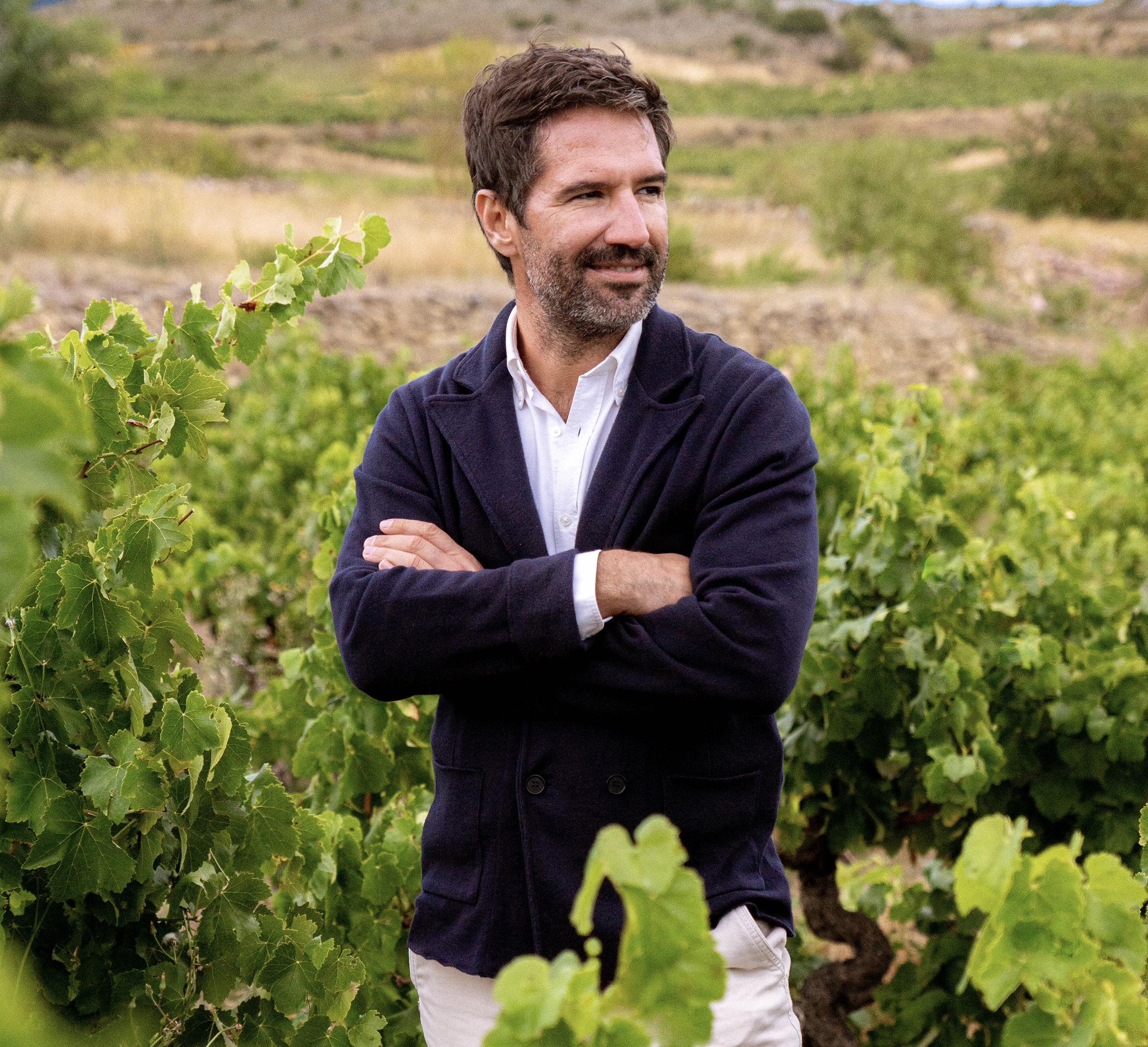
"This is a statement of our commitment to our land. It demonstrates our determination to restore Rioja’s historical and cultural heritage," said Richi Arambarri, CEO of Vintae (pictured below), in a press release released by the winery.
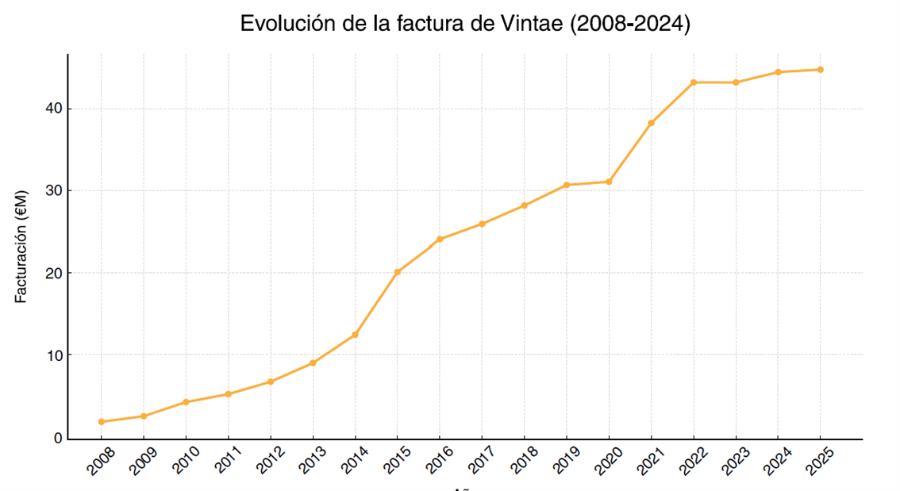
Against a backdrop of a widespread decline in sales and falling consumption, Vintae is widely regarded as one of Rioja’s most financially sound groups. Its growth in the region has been meteoric (see the chart below in Spanish), particularly since the new generation took over. Turnover increased from €1.6 million in 2008 to over €44.6 million in 2024. Its EBITDA over the last three years has ranged from €7.3 million to €7.5 million.
Although Vintae is now present in other wine-producing regions, Rioja remains its core territiry and the place where it has developed the widest range of brands and projects, from Hacienda López de Haro —a contemporary take on classic Riojas— to the terroir-focused Viñedos El Pacto. Outside the appellation, the group has the Pandemonium sparkling wine project and the Maetierra white wine range.
From fine dining to supermarket shelves
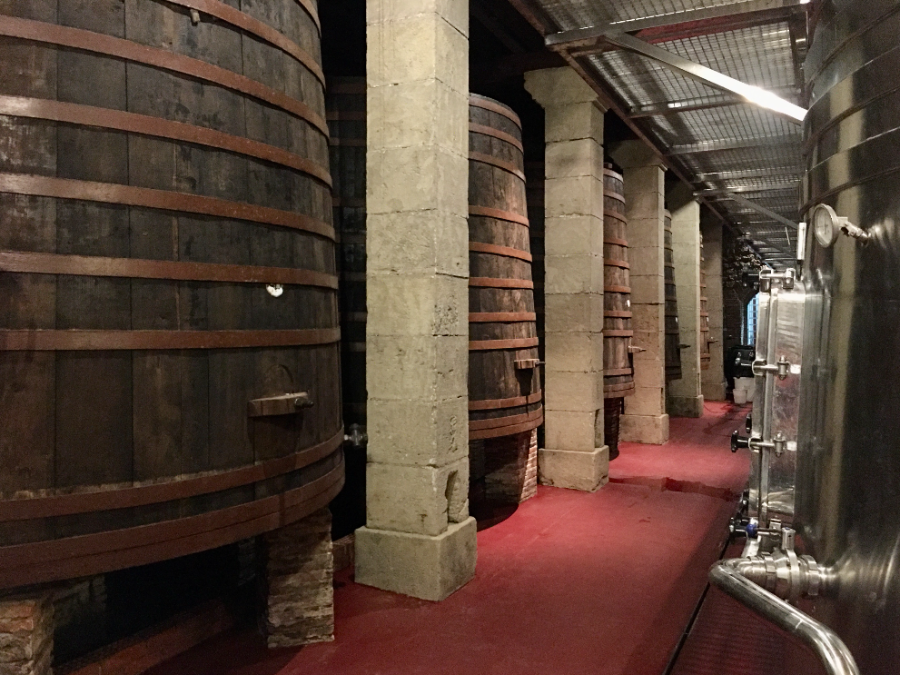
Bodegas Riojanas was established in 1890 by the Artacho family in partnership with Rafael Carreras, during the boom years triggered by French demand for Spanish wine following the phylloxera outbreak. In 1930, the company became a private limited company under the name Román Artacho y Compañía and in 1940 it changed into a public limited company adopting its current name, a period which ushered in successive expansions. Banco Santander was a shareholder from the 1970s until the mid-1990s. In 1997, the company was floated on the stock market, although the founding families, the Frías Artacho and Artacho Nieto, retained around 60% of the shares. This stake will now be diluted to just 10%.
As the producer behind iconic brands such as Viña Albina and Monte Real, Bodegas Riojanas embodies the trajectory of many long-established Rioja houses whose reputations gradually faded as volume growth took precedence over prestige, shifting their wines from the finest dining tables to supermarket shelves.
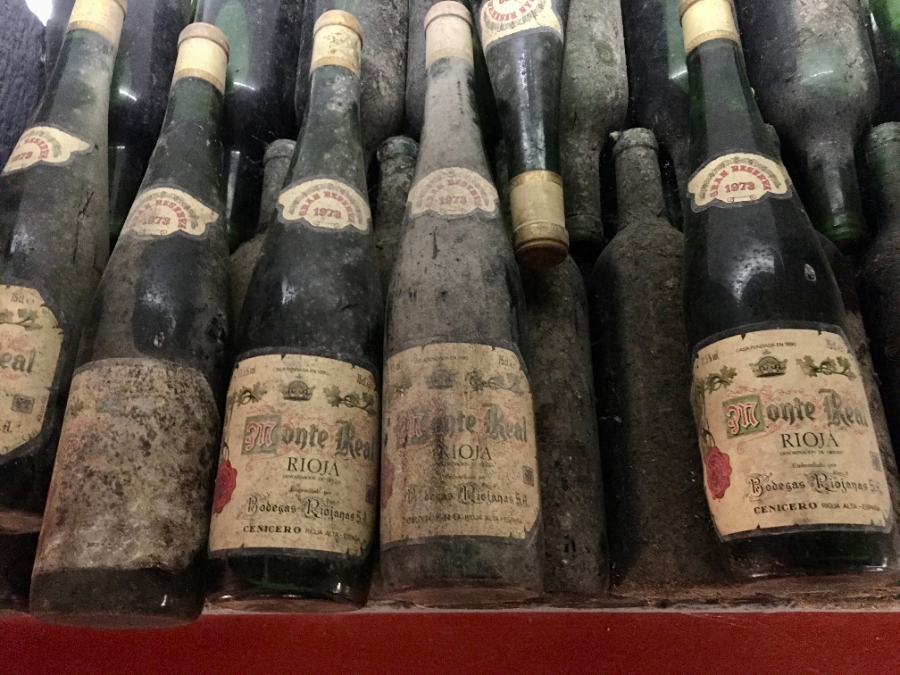
Yet the winery still commands enormous affection among wine enthusiasts, particularly for its old vintages, notably the legendary 1964 vintage, which was one of the stars of Rioja's recent centenary celebrations. Unfortunately, this historical legacy was not always treated as an asset, as evidenced by the Board of Directors' decision against storing wine between 1980 and 1998.
The winery has gone through tough times in recent years. After renegotiating its debt in 2024, Bodegas Riojanas posted losses of €4.5 million in 2025. That year, the group’s sales dropped by 15% to €13.6 million, representing 4.1 million bottles sold.
Multi-regional players
Both groups have expanded well beyond Rioja in recent years. Bodegas Riojanas owns wineries in Toro (Bodegas Torreduero) and Rueda (Bodegas Viore), and produces wine through third parties in Rías Baixas, Ribera del Duero, Cava, Penedès and Bierzo. Vintae has built an even broader network with own wineries in Navarra (Aroa), home to the low-intervention Le Naturel project, and in Ribera del Duero (Bardos). The company also has a significant presence in Toro through Matsu. It sells whites from Rueda under the Bardos brand, and from Rías Baixas, Valdeorras and Arabako Txakolina under the Atlantis brand. Vintae is also present in Priorat and Calatayud through the Proyecto Garnachas range.
The acquisiton will also significantly increase Vintae’s vineyard holdings, adding around 200 hectares to the 250 hectares it currently owns. The vineyards of both groups are mainly located in Rioja.
Vintae's strategic plan for 2025–2030 aims to consolidate existing projects and enhance the perceived quality of its brands, with a greater focus on premium wines and on-trade sales. In many ways, the Arambarri family’s trajectory has been the reverse of Bodegas Riojanas’: they began with approachable, easy-drinking wines before gradually building their high-end range. The question now is whether that formula can restore Bodegas Riojanas to something of its former stature.

Author
Amaya Cervera
A wine journalist with almost 30 years' experience, she is the founder of the award-winning Spanish Wine Lover website. In 2023, she won the National Gastronomy Award for Gastronomic Communication
Next Post
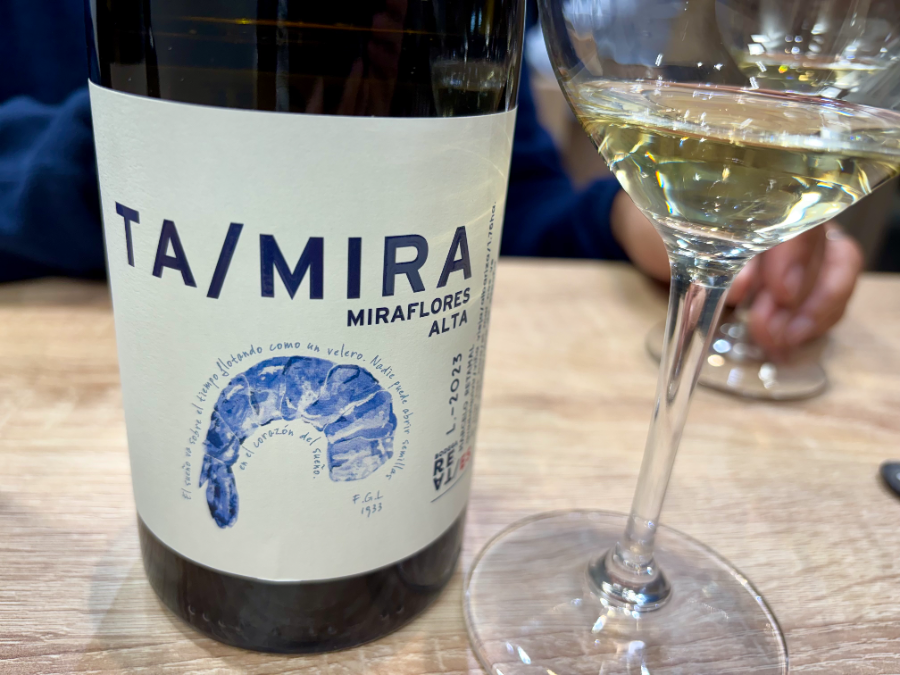
Ta/Mira Miraflores Alta 2023 Blanco