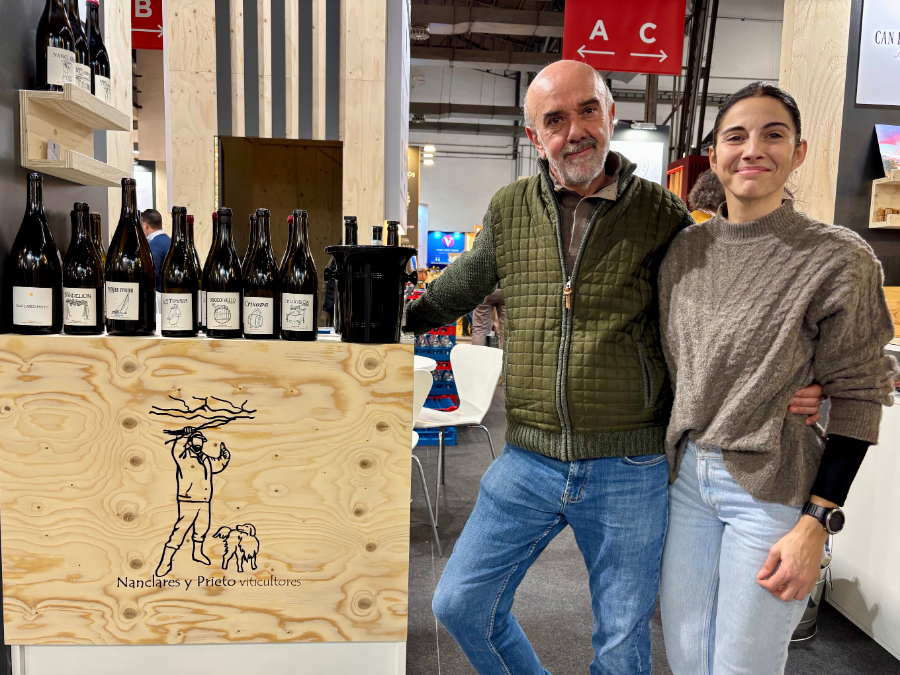
It may not be what one typically expects to find at a trade fair —where attention naturally centes on new releases and the latest vintages— but this edition of Barcelona Wine Week offered several opportunities to taste wines that have evolved in particularly compelling ways in bottle.
One of the clearest examples was Jean Leon’s presentation of The Wine Library Collection: a limited release of between 74 and 300 bottles drawn from mature vintages of its single-vineyard wines —Vinya Gigi Chardonnay, Vinya Palau Merlot, La Havre Cabernet Sauvignon Reserva and La Scala Gran Reserva.
The tasting also served as a timely reminder of the estate’s origins. Now owned by Familia Torres, it was founded by Ceferino Carrión, better known as Jean Leon, whose American success story was forged in Los Angeles. His restaurant, La Scala, became a magnet for Hollywood’s brightest stars in the 1950s and 1960s. Leon initially dreamed of making a Bordeaux-style wine for his restaurant, but in the early 1960s he instead settled in Penedès, where he planted French varieties —particularly Cabernet Sauvignon and Cabernet Franc— using cuttings discreetly sourced from the vineyards of renowned Bordeaux châteaux such as Palmer, Lafite and La Conseillante.
French varieties under Mediterranean skies
Guided by winery director Mireia Torres and sommelier Sergi Castro, we tasted several of the vintages currently on release. Highlights included Vinya Gigi Blanco 2018 (€63), a white with notable creaminess, lively acidity and slow, confident evolution; Vinya Palau Merlot 2014 (€58), polished yet still fruit-driven; and Vinya Le Havre Reserva 2004 (€76), a Cabernet Sauvignon with 15% Cabernet Franc that remains remarkably intact. The estate’s flagship red showed supple but still present tannins and an unmistakably Mediterranean character.
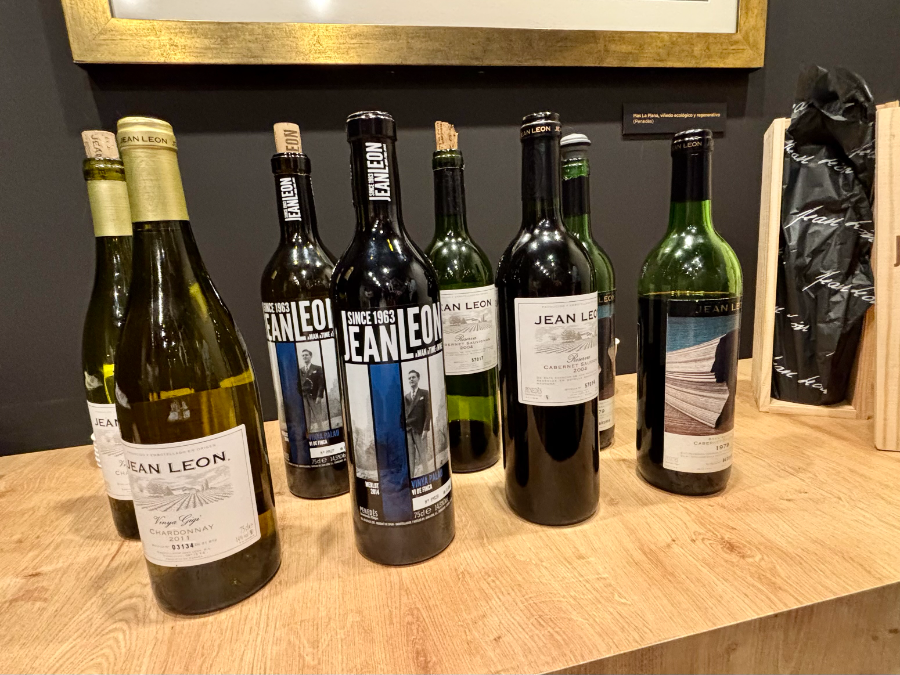
The undisputed star of the tasting was Vinya La Scala Gran Reserva 1979 (€300). A wine from another era, it comes in at just 12% alcohol and retains a refreshing, juicy acidity that is increasingly difficult to achieve in today’s climatic conditions. In 1979, there was not a single day when temperatures exceeded 30°C. The wine offers a classical varietal expression, with notes of forest floor, candied redcurrant and the roasted red pepper typical of Mediterranean climates. With 300 bottles released, it is also the most widely available wine in the collection.
Looking ahead, what lies in store for these varieties in the context of climate change? For Mireia Torres, Merlot is likely to prove the most challenging. The winery’s response—following several recent replantings— has included changes in vineyard exposure, planting closer to wooded areas, and the use of drought-resistant rootstocks. A water reservoir has also been installed, enabling gravity-fed irrigation for half of the estate’s vineyards. The benefits of regenerative viticulture are already becoming evident, from increased biodiversity to improved water retention in the soils.
Futuro Viñador and the beauty of bottle age
The largest concentration of out-of-market vintages was found at the tasting hosted by the Futuro Viñador collective, held as part of the second edition of this event within BWW’s parallel programme. Each member contributed two wines that were no longer commercially available.
Standouts included the two 2014 wines brought by Adega Algueira (Ribeira Sacra), both from the same vineyard: Pizarra Tinto —spicy, vibrant and sapid, with fine tannins, balsamic notes and forest fruits— and the remarkable Escalada Blanco, made from old clones of small-berried Godello. Broad and deep yet strikingly fresh, it expressed slate-driven minerality with even greater intensity than its red counterpart.
It proved a fitting counterpart to Dominio del Águila Blanco 2015 (Ribera del Duero), with its hallmark Burgundian reduction (sunflower seed), intensity and richly textured palate. This is a white with a long life ahead, as confirmed by a vertical tasting we conducted last year.
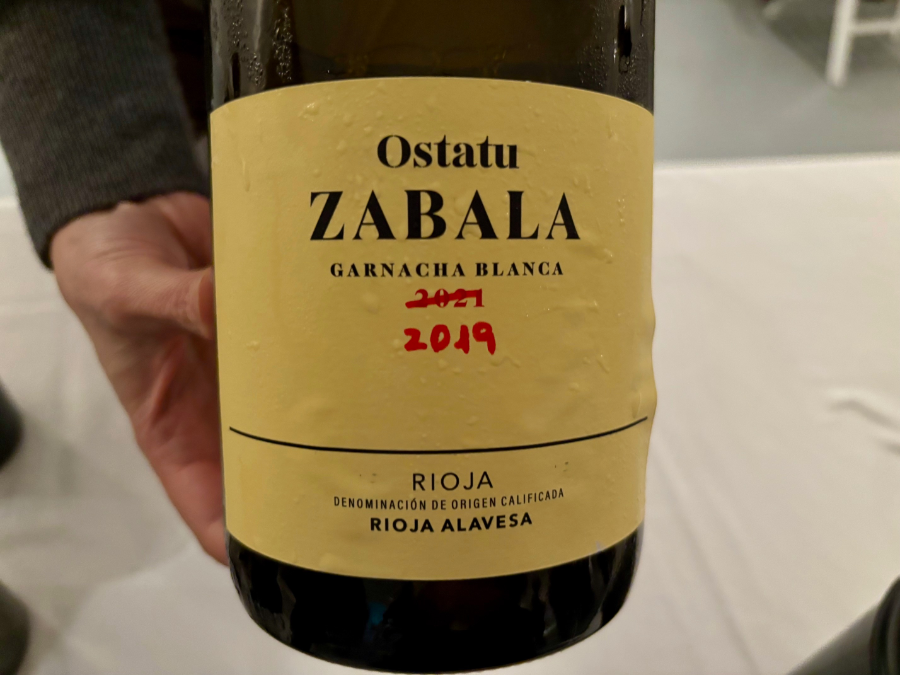
Among the whites, we were also drawn to the balanced sapidity and round texture in Muchada Léclapart Lumière 2017 and —considerably younger— Ostatu Zabala 2019, a Garnacha Blanca served in magnum. The latter displayed refined petrol notes, citrus character and a vertical drive on the palate that is less apparent in the standard bottle format.
We were unable to taste Mas del Serral from Raventós i Blanc (the wine had already run out by the time we reached the table), but we did sample Anna Espelt’s highly original 2017 Monastrell sparkling wine. Aged for 78 months on its lees, it showed honeyed and red-fruited tones with a firm structure closer to a still wine than a traditional bubbly.
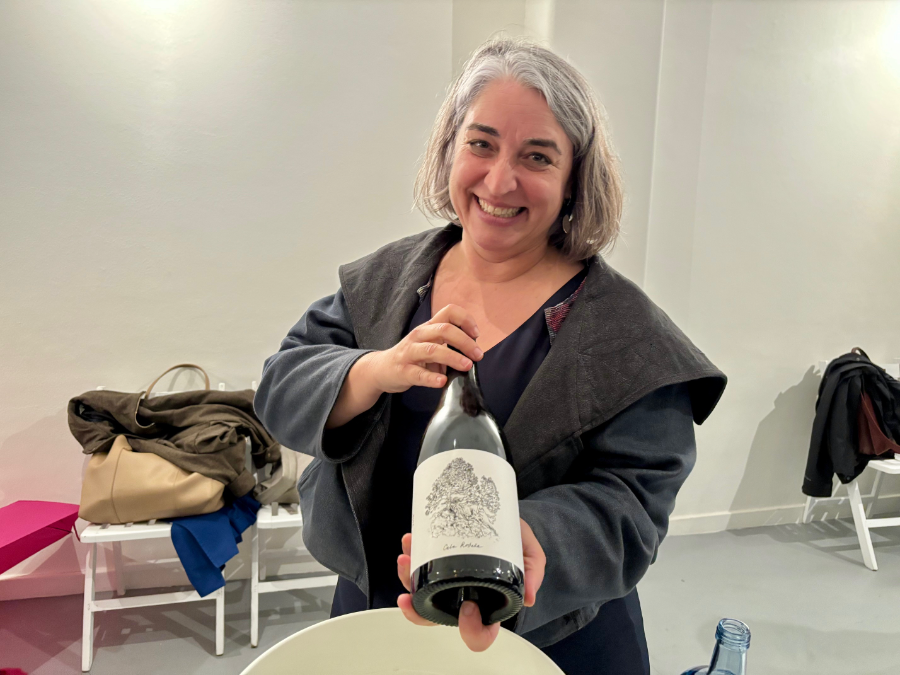
Among the reds, the great surprise was the juicy, vibrant and aromatic 4 Kilos 2015 —a fascinating demonstration of Callet’s ageing potential— alongside Hobe 2019, the flagship red txakoli from Doniene Gorrondona, which showed beautifully: poised, complete and marked by an elegant Atlantic personality.
It was also a pleasure to revisit Yjar 2018, the Remelluri red distributed via La Place de Bordeaux: fragrant yet taut, with considerable potential ahead. Wines from Artuke with some bottle age —rarely encountered, as the estate’s reds are often drunk too young— also stood out, notably El Escolladero 2018 (deep, with vibrant red fruit) and La Condenada 2018 (more concentrated, mineral, layered and persistent). According to Arturo de Miguel, this was the last vintage when harvest began in October.
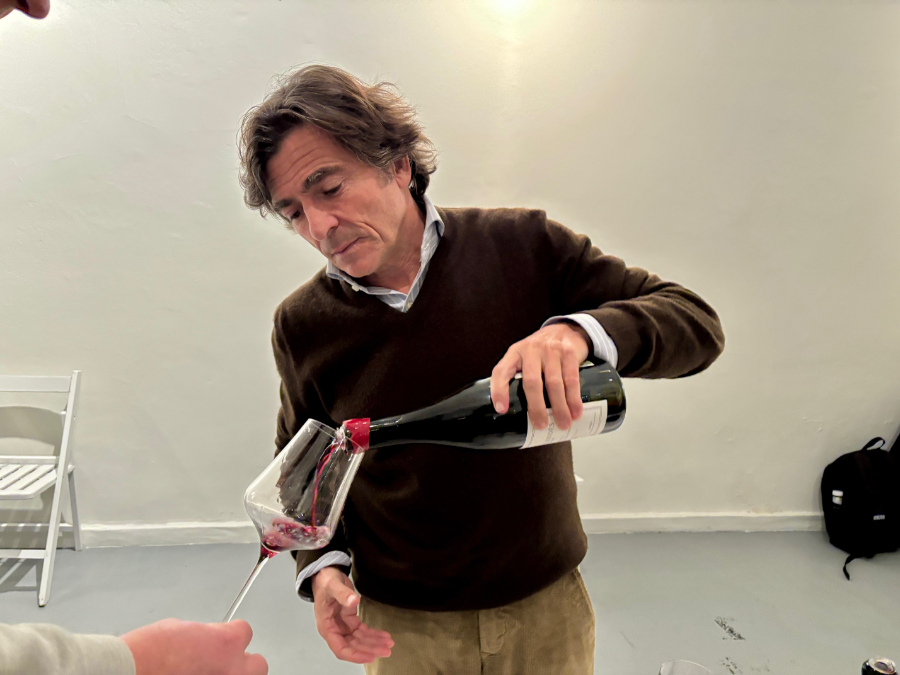
Still visibly moved by a recent trip to Madeira (“going there puts you in your place and makes you feel small in the face of history”), Willy Pérez brought the first vintages of La Escribana (2018) and Villamarta (2013), the latter a study in precision and rarity. Just 690 kg of grapes were foot-trodden by Pérez himself, followed by a decade-long ageing under flor —the maximum the wine could sustain. In the glass, it delivered extraordinary intensity and sapidity without sacrificing creaminess. La Escribana, meanwhile, captivated with its combination of length, concentration and savoury depth, all the more remarkable given that, in Pérez’s own words, 2018 was one of the worst vintages he could remember. “I over-ripened the grapes,” he admitted.
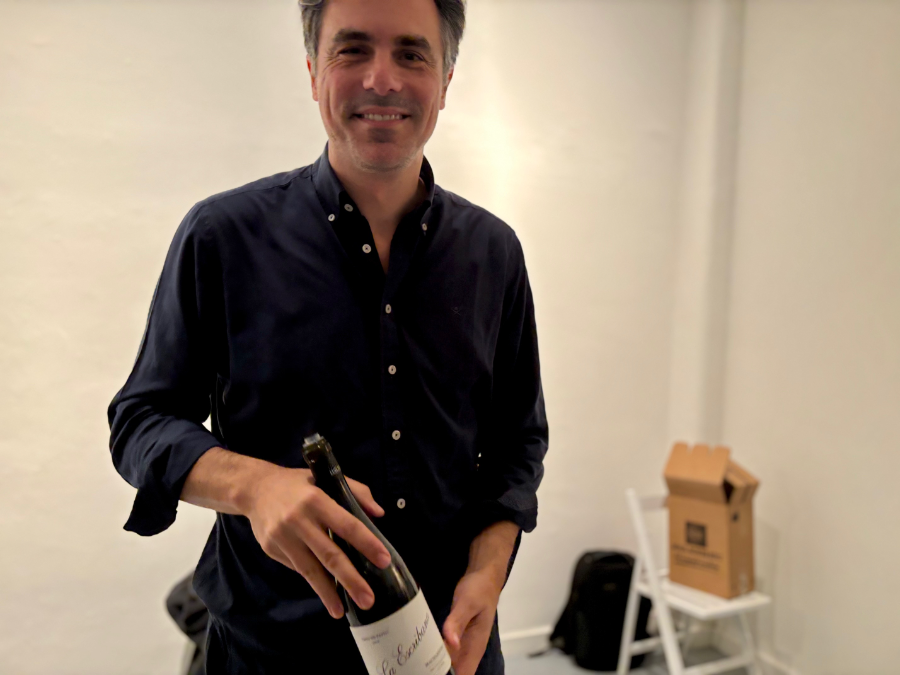
The tasting also served to introduce the new members of the group. Bàrbara Mesquida, whose refined Sòtil 2020 stood out, strengthened the Mallorcan presence, while the remaining additions came from the south. Alongside Muchada Léclapart were Bodegas Forlong, which presented Stardust 2019, aged in manzanilla casks without flor, saline and toasted; and Meridiano Perdido, whose Portuliano 2021 impressed with its saline, creamy character and considerable ageing potential.
The full roster of Futuro Viñador members comprises: 4 Kilos, Adega Algueira, Anna Espelt, Artuke, Bodegas Luis Pérez, Celler del Roure, Compañía de Vinos Telmo Rodríguez, Dominio del Águila, Dominio del Bendito, Doniene Gorrondona, Miguel Merino, Granja Nuestra Señora de Remelluri, Ostatu, Raventós i Blanc, Soca-Rel and Zárate.

Author
Amaya Cervera
A wine journalist with almost 30 years' experience, she is the founder of the award-winning Spanish Wine Lover website. In 2023, she won the National Gastronomy Award for Gastronomic Communication

Previous Post