


Tempos Vega Sicilia chose Galicia for its annual portfolio tasting, where it presented its Rías Baixas project (see our previous report from 2022) and unveiled its first Spanish white, due for release early next year.
Deiva will finally make its debut with the 2024 vintage, rather than the 2023 originally planned. "The first vintage has to be the worst," said Pablo Álvarez, CEO of Tempos Vega Sicilia and the group’s public face since 1985. His words left little doubt that the project is still in its earliest stages and has a long way to go.
“I don't think these wines need to have great ageing potential either,” he added, taking care not to raise expectations too high. Álvarez would probably prefer to reserve thats attribute for the winery’s top white, which will be called Arnela although no release date has yet been set. What is already clear from Deiva 2024 is that it represents a significant improvement on the earlier attempts we had the opportunity to taste. Its style favours acidity and tension over fruitiness and opulence.
A long-awaited white
With Deiva, Pablo Álvarez is finally fulfilling a long-held ambition: to produce a white wine that meets the group's quality standards. Previous attempts in Ribera del Duero and Rioja proved unsuccesful. White wine, however, is part of Vega Sicilia's DNA. The winery continued to produce white until the 1948 vintage, although the grape varieties used at the time remain unknown. Álvarez himself has tasted just one bottle of it. In the 1930s, the white was sold alongside the red at a similar price. Ironically, Tempos Vega Sicilia's first modern dry whites were produced at Oremus, the group’s winery in Tokaj, Hungary.
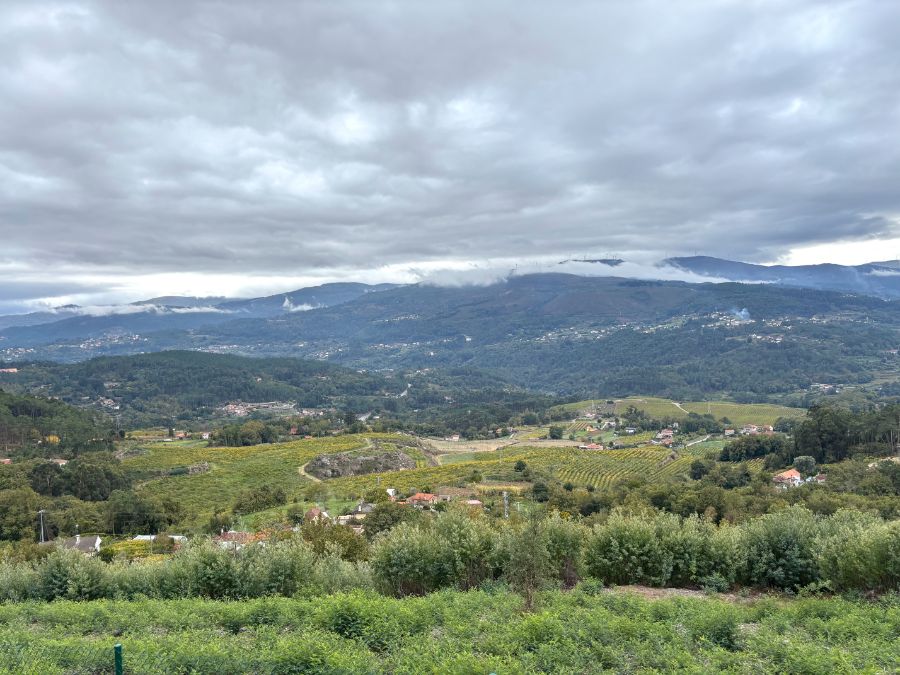
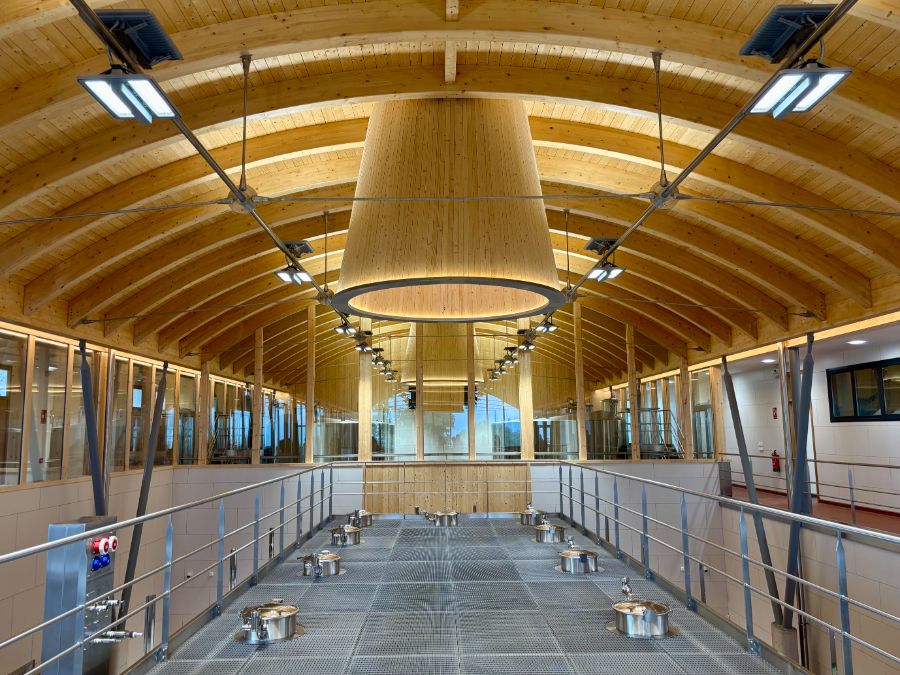
Getting Deiva off the ground has taken longer than expected. It began with a series of trials at Lagar de Fornelos, La Rioja Alta's winery in the O Rosal subzone of Rías Baixas, before moving to a rented facility in Salnés, where production continued for three years. The new winery in Crecente (Condado do Tea), has been designed to produce 300,000 bottles and is expected to be fully operational for the 2027 vintage. Architect Jesús Manuel Gómez Gaite, whose practice has designed other Tempos Vega Sicilia wineries, prioritised generous proportions and practical working spaces. One of the site’s most striking features is its location, with stunning views across the Miño valley and towards the Portuguese bank.
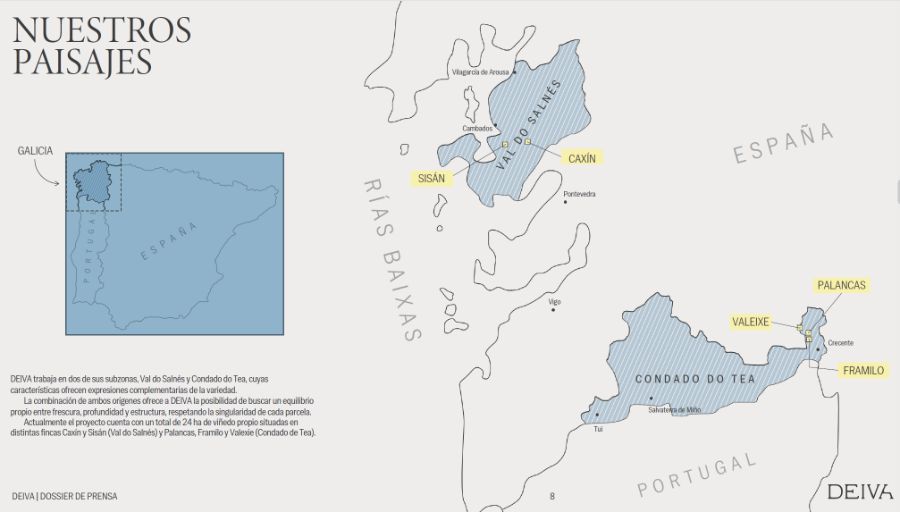
Deiva currently draws on 24 hectares of estate-owned vineyards (see map below), still some way short of the original target of 50 hectares. The group also owns a further seven hectares of land, which are due to be fully planted by 2027. Álvarez acknowledged the difficulties of purchasing vineyards in Galicia, where land ownership is highly fragmented and prices have soared. "Rías Baixas is Spain's most expensive region," he noted. For now, Deiva is actively buying grapes in areas where it has no vineyards of its own to gain a better understanding of the region ahead of potential future purchases. In any case, the winery is committed to the traditional pergola training system, which is also being used in its new plantations.
Selection has been extremely rigorous. In 2024, 200,000 kilos of grapes were harvested, but only 120,000 were turned into wine. Further selection followed, resulting in a first release of just over 32,000 bottles.
Blending terroirs
Beyond the strict selection in the vineyard and the winery, the winemaking process includes storing the grapes in refrigerated chambers before fermentation, whole-bunch pressing and fermenting with a generous proportion of lees at moderate temperatures. Malolactic fermentation is avoided and the wines are aged on their lees without any forced bâtonnage. Fermentation currently relies on neutral commercial yeasts, although further research into this area is planned.
A key part of the process is the use of different ageing vessels, including stainless steel, concrete, granite and foudres, during the first few months. The technical team is convinced that the choice of vessel must reflect the defining characteristics of each vintage. According to Gonzalo Iturriaga, technical director at Tempos Vega Sicilia, "granite brings rock and roll and salinity. It's good for structured, sharp wines, but it must be used in moderation — for five to six months. Concrete contributes to the attack on the palate and roundness, while the foudres add texture and depth.”
Once the final blend has been assembled, the wine undergoes a second phase of ageing in stainless steel tanks before bottling. For winemaker Guillermo Alvarado — aka "the Deiva man" — "anything that consistently adds quality to the final result is integrated into the process". Alvarado brings considerable experience to the project. Having worked for major groups such as Pernod Ricard, as well as independently, he has developed a broad understanding of the different Galician appellations.
The thousand plagues
Establishing a winery in Green Spain has not been plain sailing. In 2023, Deiva lost almost its entire harvest. "We tried to farm almost organically, but it didn’t work. We learnt a hard lesson and realised that we needed a stronger team on the ground,” explains Iturriaga. That experience led to the recruitment of Mónica Chaves, who comes from a family of winegrowers in Salnés. Her father was one of the founders of DO Rías Baixas and she was previously the head of viticulture at Mar de Frades.
Under Chaves’s guidance, two main areas of research are being pursued, both in collaboration with the Misión Biológica de Galicia (CSIC). The first focuses on the early detection of diseases, allowing the team to anticipate the needs of the plants. The second involves studying the various Albariño biotypes.
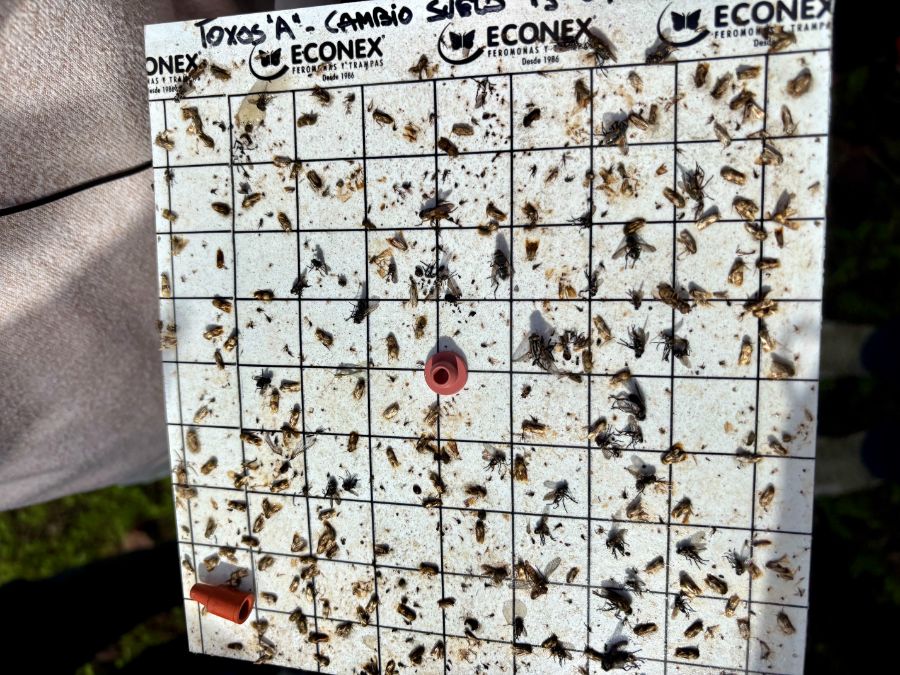
Deiva's head of viticulture says the challenges extend well beyond fungal diseases associated with the area's high humidity – such as mildew and black rot. Rising temperatures have also increased pressure from powdery mildew and insect pests, including scale insects and vine moths. Under these conditions, organic farming is not considered viable. Nevertheless, the winery adheres to basic principles such as avoiding herbicides and insecticides. It also favours natural ground cover over deliberately planting specific cover crops because it provides valuable information about soil health and helps inform viticultural decisions. Predictive models, supported by tools such as the insect traps pictured below, are currently helping Deiva to reduce treatments by 20%.
New releases
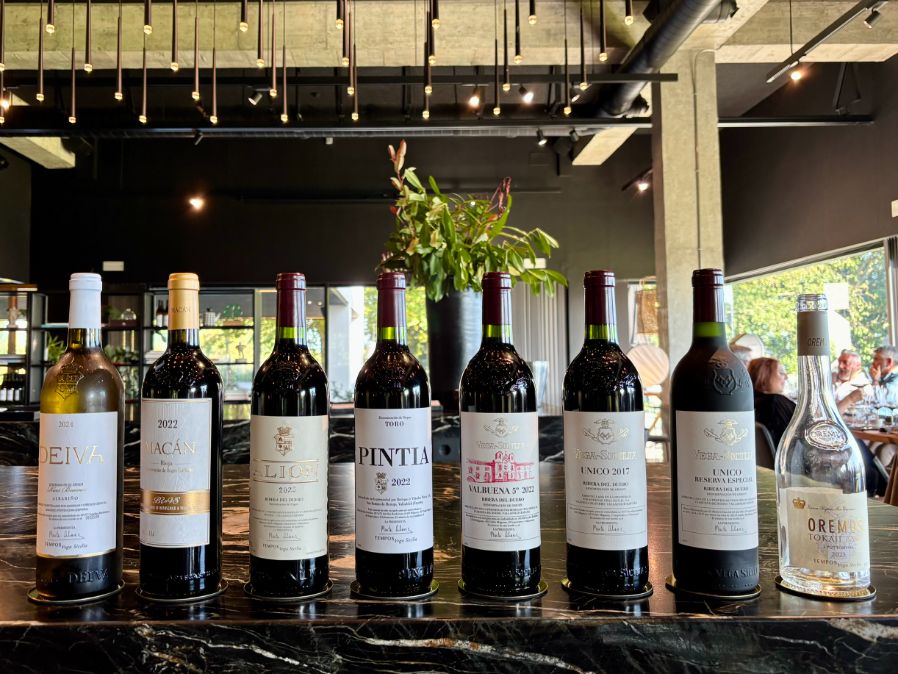
Below are our impressions of the latest vintages from Tempos Vega Sicilia, due to be released in early 2027. We tasted all the wines in Galicia a few days ago. For broader perspective on how each label is evolving, read our tasting notes from last year.
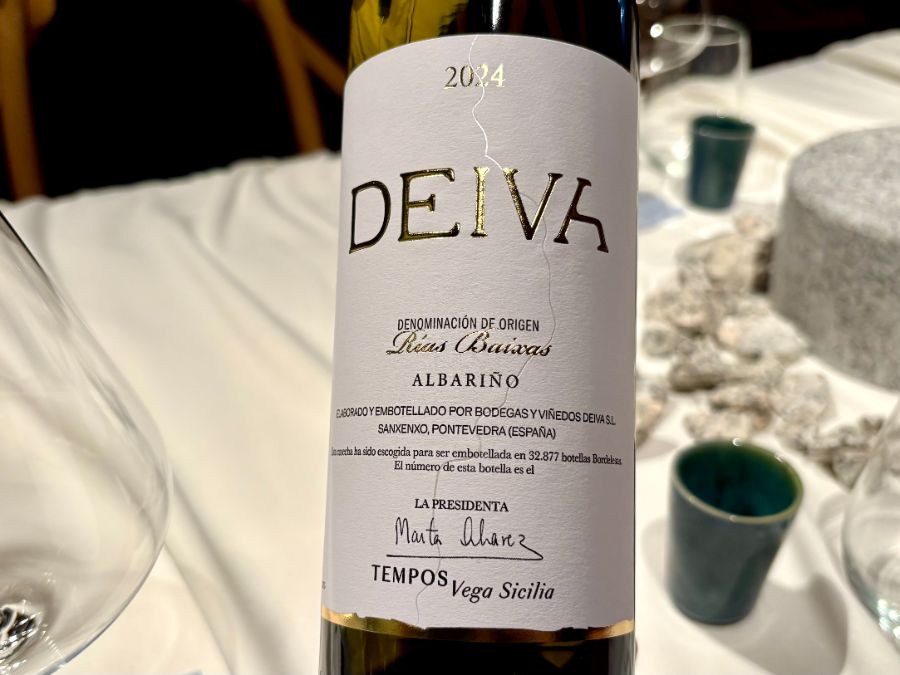
Deiva 2024 White (Rías Baixas). Vega Sicilia's new Albariño is sold in a Bordeaux-shaped bottle. In 2024, 60% of the wine was aged in stainless steel, with the remainder spending time in granite, concrete and foudres. The winery chose a Zalto Burgundy glass for the tasting. Bottled as recently as June, Deiva displays an austere, restrained bouquet of green apple, fennel and citrus. Its major strength lies in the palate which is well-defined and driven by acidity, with plenty of juiciness, citrus character, refreshing saltine notes and a subtle hint of bitterness. The acidity is never aggressive, but the overall style is closer to a taut, relatively austere Albariño with good potential to develop in bottle. Pablo Álvarez refrained from making any firm predictions about its ageing potential, although the press kit suggests it could evolve "over 15 years". A total of 32,877 bottles were produced. Score: 94.
The 2024 season began with early budbreak. Generous rainfall during flowering and berry growth set the tone for the year. A dry, warm August allowed the vines to recover, improved grape health and ensured proper ripening, providing optimal harvesting conditions.
Macán 2022 Red (Rioja). After the excellent 2021 vintage, 2022 was a different proposition. A suffocatingly hot growing season brought forward the harvest and compressed it into a short window, followed by gentle extraction and moderate ageing. Made with 3% Graciano and Viura co-fermented with Tempranillo, this is a balanced red with restrained structure, subtle oak influence and flavours of ripe blackberry and black plum, leading to a medium-length finish. The moderate extraction lends it a nuanced, relaxed character while keeping excessive warmth at bay. Score: 93–94.
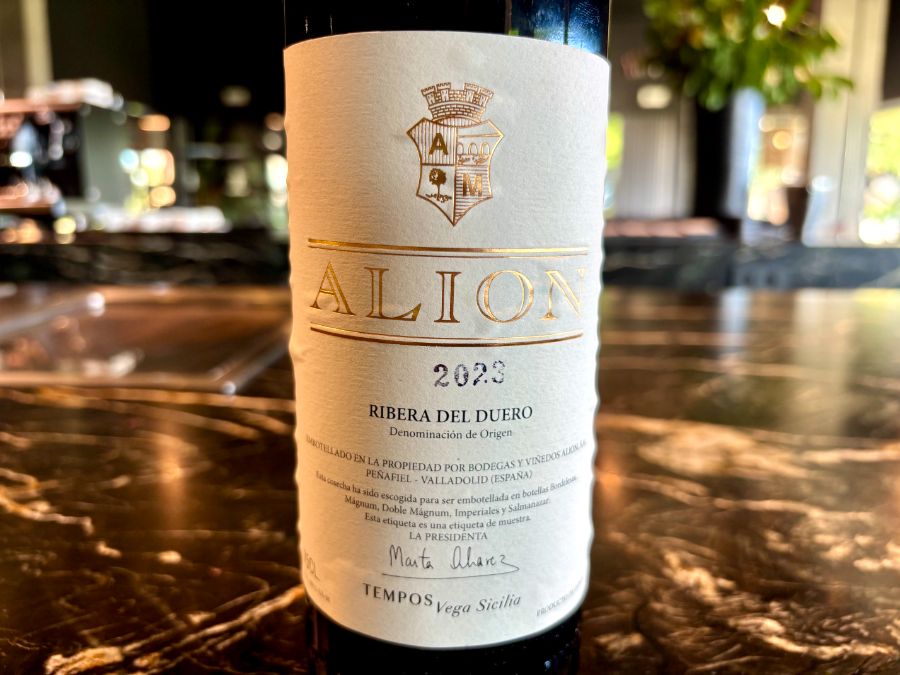
Alión 2023 Red (Ribera del Duero). This vintage signals a stylistic shift towards greater elegance and aromatic expression, achieved through a series of subtle winemaking changes. These include the use of a limited quantity of whole bunches and ageing vessels designed to minimise oak influence, primarily foudres. In 2023, the winery also introduced a granite, egg-shaped vat and several wine globes. The vintage was fresher than 2022. Rainfall towards the final stage of ripening resulted in a staggered harvest, which culminated in the cooler areas of Soria and Moradillo de Roa, in Burgos. The wine displays well-defined fruit, complemented by savoury and spicy notes. Full-bodied, as you would expect from a Ribera del Duero, it remains nuanced and restrained, with depth and plenty of flavour. It was the red wine that surprised me most pleasantly this year. Score: 95.
Pintia 2022 Red (Toro). Paradoxically, despite the high temperatures, 2022 produced wines with lower alcohol levels. To preserve freshness and rein in the region’s naturally robust structure, the grapes were picked relatively early. As has become customary in recent years, some Garnacha was co-fermented with Tinta de Toro. This was the ripest and most tightly structured red in the flight, gradually revealing coffee and toasted notes. Pintia improves with age, and this vintage will benefit from some time in bottle to show its best. Patience is advised. Score: 93.
Valbuena 5º Año 2022 Red (Ribera del Duero). Despite the heat of 2022, this is a really well-crafted Valbuena. For Iturriaga, the beauty of Vega Sicilia and its extended ageing periods lies in the fact that everything eventually falls into place. There is no sign of warmth on the nose, only pure, expressive fruit and smoky notes. The palate centres on a rich core of deep black fruit that still needs time to develop fully, complemented by subtle toasted notes and the estate’s characteristic austerity. More large oak vats than usual were used during the first year of ageing to limit the tannic contribution from the oak. Score: 95.
Vega Sicilia Único 2017 Red (Ribera del Duero). This vintage was marked by severe frost in late April, followed by a hot summer. This led to an early harvest with low yields. The wine is complex and elegant, with remarkable aromatic balance. Dairy and spicy notes emerge over a minty background. On the palate, it combines a degree of fruit ripeness with a firm structure and appealing tension, leading to a long finish with an enjoyable hint of bitterness. It exceeds the expectations of the vintage. Score: 95
Vega Sicilia Único Reserva Especial Red (Ribera del Duero). Increasingly refined and seductive, Vega Sicilia's multi-vintage blend was once again my clear favourite. This is probably because it is the wine closest to its drinking peak. The 2017 release is a blend of the 2012, 2014 and 2015 vintages. The beautiful 2016 release blended 2011, 2012 and 2014. Once again, 2012, a vintage of very good quality, is present in the blend, alongside 2014, which the estate regards as excellent, although it was officially rated as ‘very good’. The new addition is the powerful 2015 vintage, rated as excellent by the Regulatory Board of Ribera del Duero.
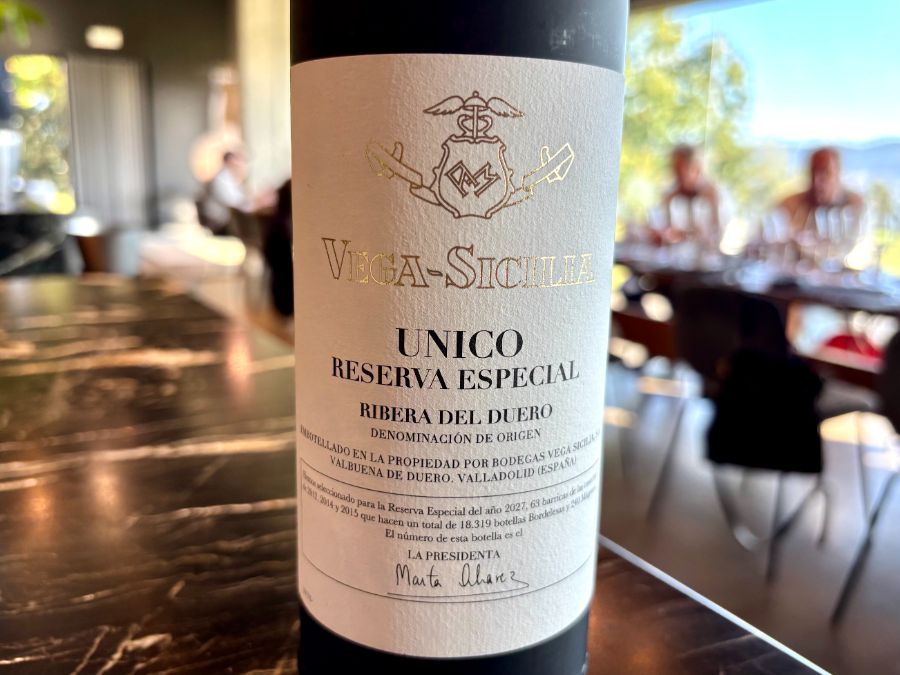
Spicy and minty, the wine also displayed dairy notes, with an almost youthful feel thanks to the absence of the tertiary character that distinguished the Reserva Especial blends in the past. Its silky, polished texture was almost perfect. The wine’s refinement, aromatic depth and incredible elegance were further enhanced by a Zalto Burgundy glass, the same model chosen for the comparatively youthful Deiva. What a unique wine! Score: 98.
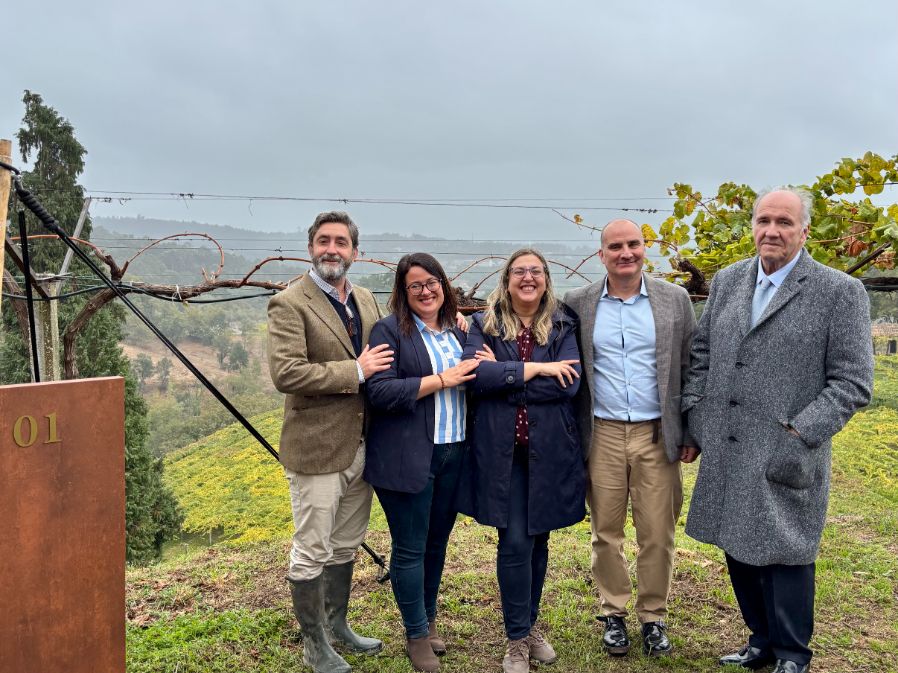
Main photograph. From left to right: Gonzalo Iturriaga. Mónica Chaves, Patricia Recio (Tempos Vega Sicilia's viticulture deputy director), Guillermo Alvarado and Pablo Álvarez.

Author
Amaya Cervera
A wine journalist with almost 30 years' experience, she is the founder of the award-winning Spanish Wine Lover website. In 2023, she won the National Gastronomy Award for Gastronomic Communication
Previous Post

