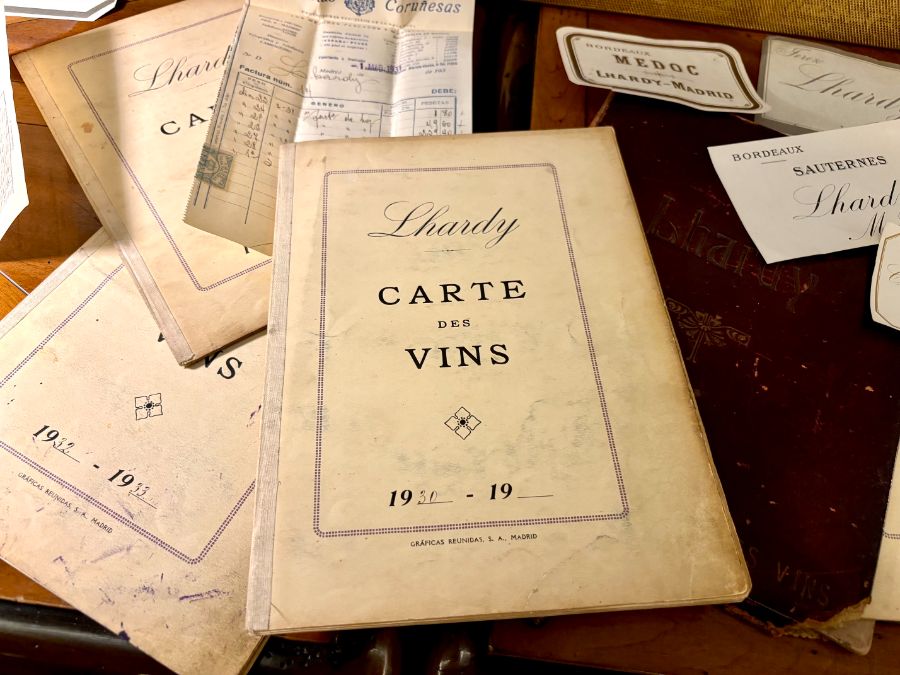
In 1930, the wine list at Lhardy, a restaurant founded in Madrid by Emilio Huguenin Dubois in 1839, opened with a selection of Bordeaux wines “choisis spécialement pour la maison Lhardy”. At a time when an unskilled worker earned around 100 pesetas a month, the celebrated dining rooms on Carrera de San Jerónimo street offered a 1920 Château Margaux for 12.50 pesetas. Older vintages, such as 1890 and 1887, cost 35 and 60 pesetas respectively. The most expensive wine on the list was 1850 Château Lafite, an 80-year-old wine at the time, priced at 65 pesetas.
Most of the wines on the list, including Margaux, were bottled specially for the restaurant, with the name ‘Lhardy’ prominently displayed on the labels. At the time, wines were generally sold in cask to négociants and merchants, who then handled their distribution. The first Bordeaux château to bottle its entire production on the estate was Mouton Rothschild, in 1924.
Lhardy’s current owners have revived the idea of exclusivity for the 21st-century, making it the guiding principle behind the wine list at the new Lhardy Café, which opened last month on the ground floor of the Wellington Hotel in Madrid.
Fish, restaurants and wine
The new venue is a café-restaurant serving throughout the day, with a terrace and signature Lhardy dishes such as its classic consommé and famous soufflé, which is also available to take away. It also draws on the expertise and high-quality produce of its parent company, Pescaderías Coruñesas.
Founded in 1911, the fishmonger and seafood wholesaler, has a shorter though still century-long, history. Owned by the García Azpíroz family, it has become a key player in Madrid's restaurant scene since acquiring El Pescador and O'Pazo in 1975 and 1981 respectively. In 2011, the fourth generation of the family, led by siblings Diego, Marta and Paloma (their elder brother Norberto passed away in 2017), launched Filandón. Ten years later came Desde 1911, their most ambitious project to date, which currently holds a Michelin star. It opened just a few months after the group purchased Lhardy, then undergoing pre-insolvency proceedings.
The family's involvement in wine is less well known, but it began with the acquisition of Bodegas Margón in Pajares de los Oteros, León, in 2024. The García Azpíroz family has close ties to this province through its Maragato roots. Their ancestors were muleteers who transported fish from Galicia to Madrid before eventually becoming fishmongers themselves. Founded in 2007, Margón hired Raúl Pérez as winemaker, producing the Pricum and Valdemuz ranges from old, creeping Prieto Picudo vines grown on the plateau, alongside younger Albarín Blanco vineyards. Today, the focus is on restoring the region’s traditional rosés.
Another project is Granja de los Monjes (Monks’ Farm), formerly known as Granja de Santullano, in the Oza Valley near Ponferrada. Once a priory with its own winery, the estate now has a vegetable garden tsupplying the group's restaurants, as well as several Godello vineyards. Here, too, the family is working with Raúl Pérez, with the aim of producing some outstanding whites.
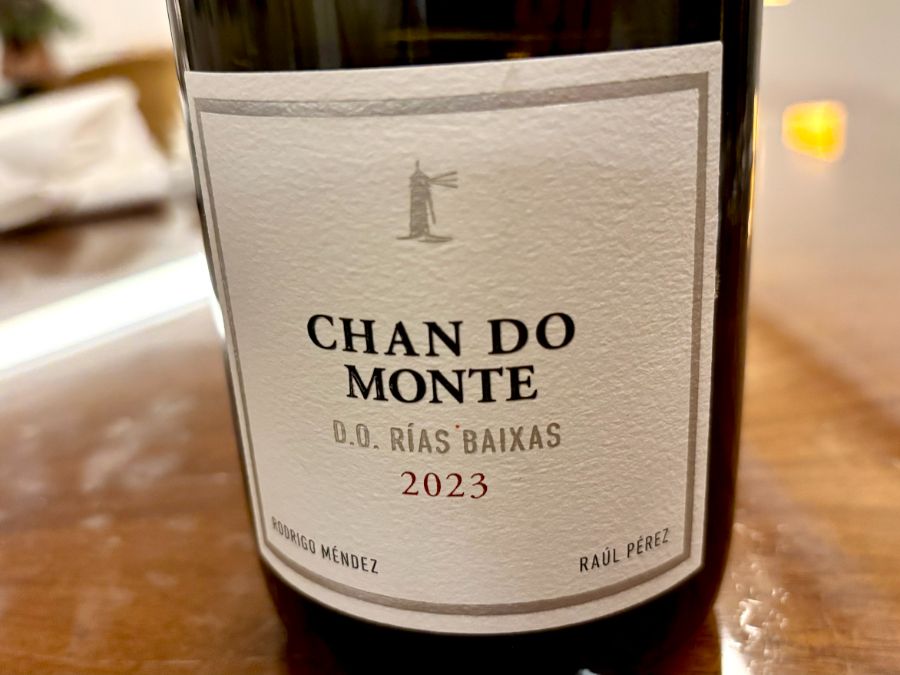
Alongside its own wineries, Coruñesas' close association with Pérez led to the creation last year of Chan do Monte, a wine crafted exclusively for the group. The grapes come from Pérez's only vineyard in Rías Baixas, which he owns jointly with his long-standing friend and business partner Rodrigo Méndez of Forjas del Salnés.
A wine list from 1930
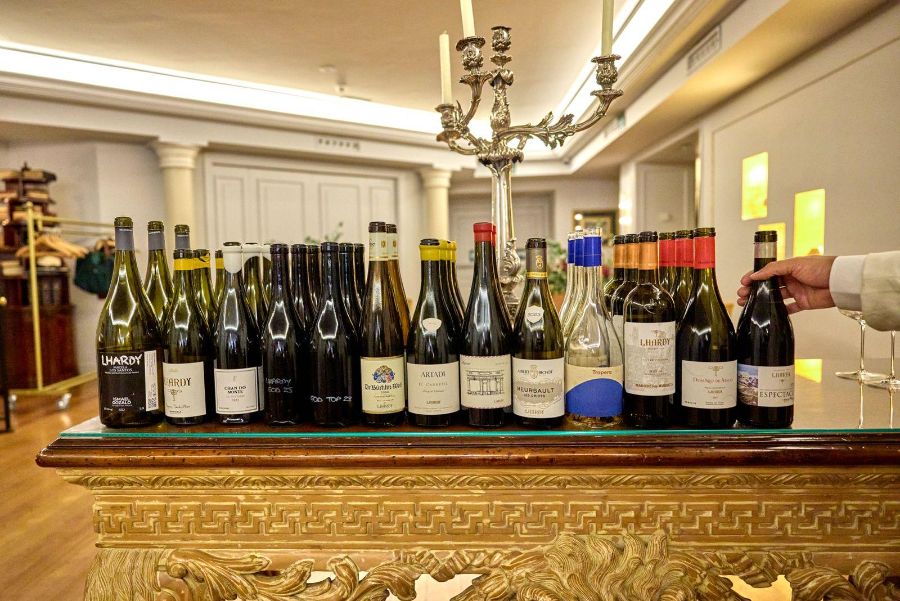
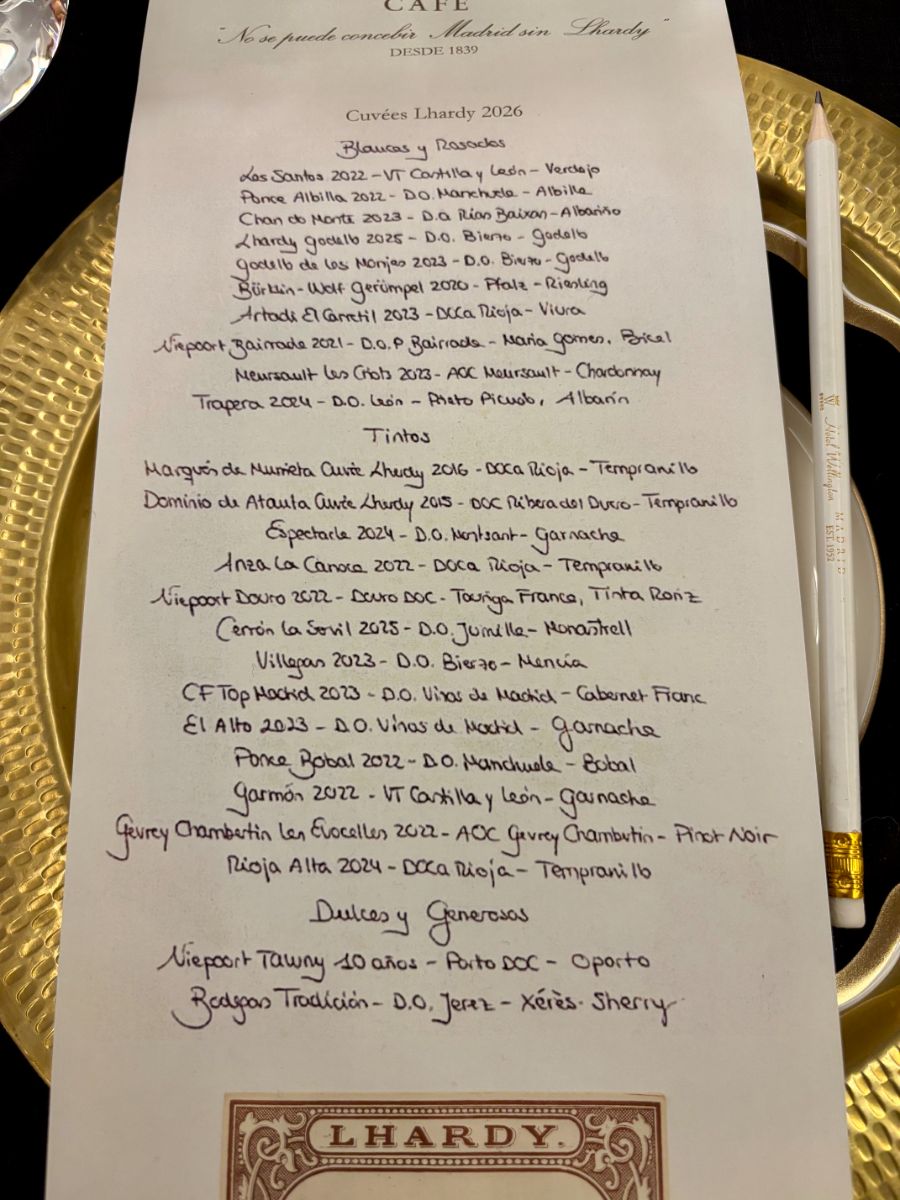
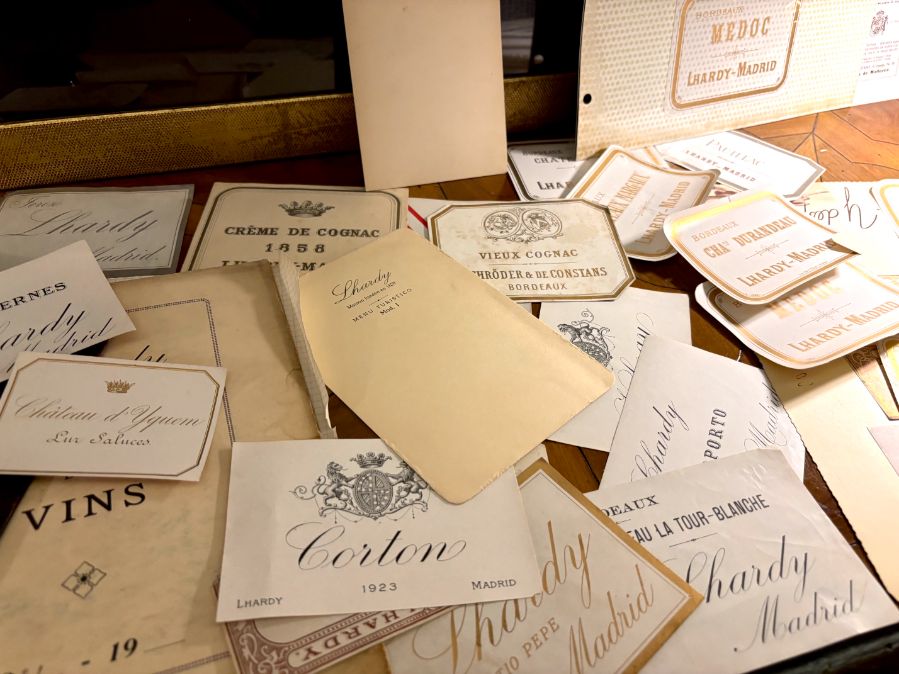
A few days ago, we tasted Chan do Monte at the launch of Lhardy Café’s new wine list, which features 25 exclusive cuvées. The only comparable initiative in Spain that we know of is Mugaritz’s Vis à Vis project in Rentería (Gipuzkoa), which we have covered in detail in SWL. It also involves working with producers to develop a range of wines available exclusively at Andoni Luis Aduriz’s renowned restaurant. Coruñesas may have arrived later on the scene, but it has the advantage of Lhardy's rich historical heritage. At the launch, we were able to examine dozens of old labels designed specifically for the restaurant and browse a 1930 wine list written entirely in French, offering a glimpse of what was being poured at Madrid's finest restaurant at the time.
The differences between wine regions were striking. Bordeaux was represented by its estates —Pichon Longueville, Mouton-Rothschild, Palmer, Pontet Canet, La Tour Blanche and Haut Brion— while Burgundy was organised around its terroirs: Beaune, Savigni, Volnay, Nuits, Corton, Pommard, Romanée and Chambertin.
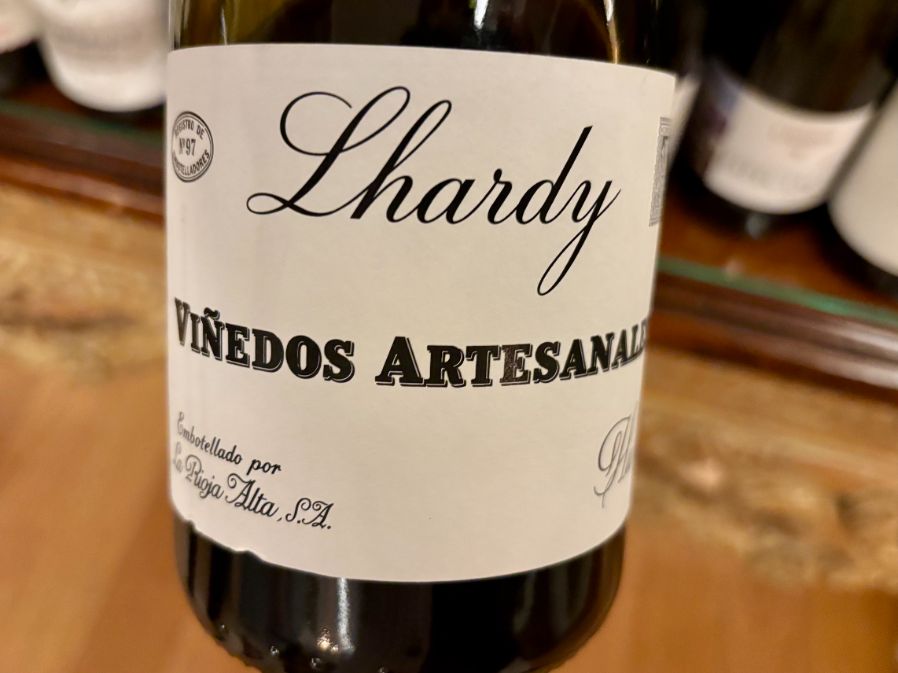
Wines from Germany’s Rhine and Mosel regions appeared before the Spanish section. At three pesetas a bottle, Clarete Lhardy was a bespoke house wine made by La Rioja Alta especially for the restaurant. Alongside classic Rioja houses such as Murrieta, whose 1920 vintage cost six pesetas and 1908 vintage 15 pesetas, were Riscal, Excelso from Franco-Españolas and López de Heredia. Two entries were particularly surprising: Castell de Remey (sic) from Catalonia, available in standard and 'wired' versions, the latter wrapped with the metal mesh and priced at 10 pesetas; and Vega Sicilia, in both red or white, also at 10 pesetas. Does this suggest that white wine was not such an unusual proposition at Spain's legendary estate at the time?
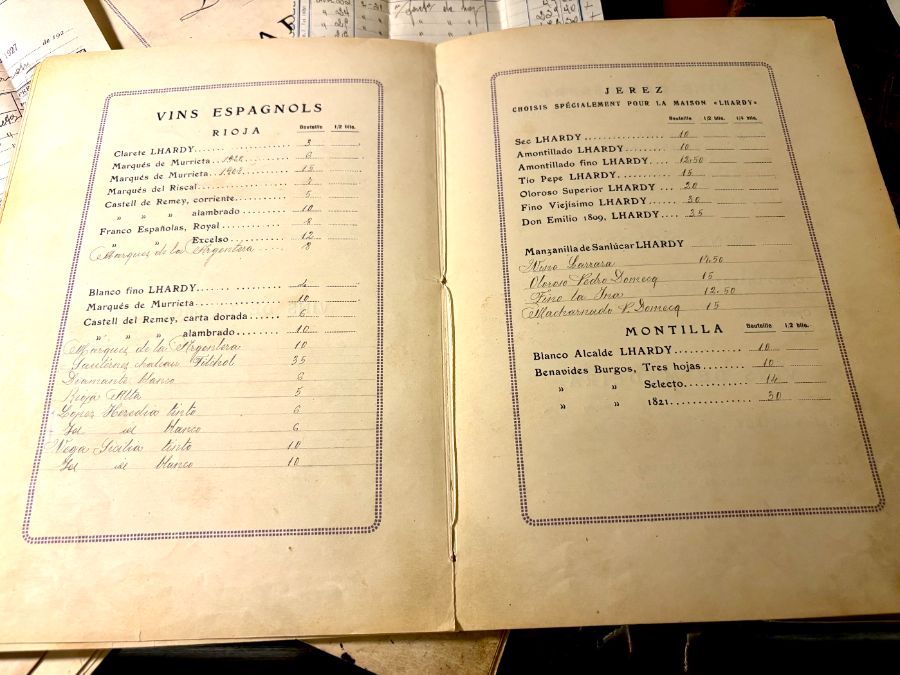
Sherry and Montilla wines commanded higher prices than Rioja. Pedro Domecq’s Macharnudo cost 15 pesetas, while Lhardy’s Fino Viejísimo reached 30 pesetas. Even that was cheaper than the most expensive wine in the category, Don Emilio 1809, at 35 pesetas. Wines from Montilla, with Benavides Burgos —now known as Lagar de Benavides— as the benchmark producer, ranged from 10 to 30 pesetas.
The selection of sweet wines reflected styles that have gradually fallen out of fashion or disappeared altogether: Pajarete, Moscatel, Lachrima, Pedro Ximénez and Alicante (thought not Fondillón). The most expensive wine was Málaga Viejísimo at 25 pesetas, priced above Port (10 pesetas) and Madeira (10–20 pesetas). The wine list ended with Vins de Champagne. Alongside Moët & Chandon, Lanson, Veuve Clicquot, Louis Roederer, Perrier and Charles Heidsieck were two sparkling wines from Pedro Domecq in Jerez, one dry and one sweet. At 60 pesetas. Moët & Chandon 1911 was the most expensive.
How much of this history has found its way into Lhardy Café's contemporary wine list? Champagne still occupies the final pages, with some bottles priced in two digits, but the selection now fills three pages. Sherry has been reduced to one entry of each style: Manzanilla, Fino, Amontillado, Oloroso, Palo Cortado and Pedro Ximénez. The manzanilla is Levante from Barbadillo, while the Palo Cortado is a relatively gentle cuvée aged for 10 to 12 years and produced by Tradición from a fifth criadera.
Beyond the exclusive wines, the headline addition is a dedicated Vega Sicilia section, reflecting the estate’s long-standing relationship with Coruñesas. The group claims to have been among the winery’s first hospitality allocations in Madrid. Every label is represented, both from Hungary and Spain, although their latest white, Albariño Deiva, will have to be included once it is released. Prices are remarkably low: €68 for Macán 2021 and €390 for Vega Sicilia Único 2016, both below standard online retail prices.
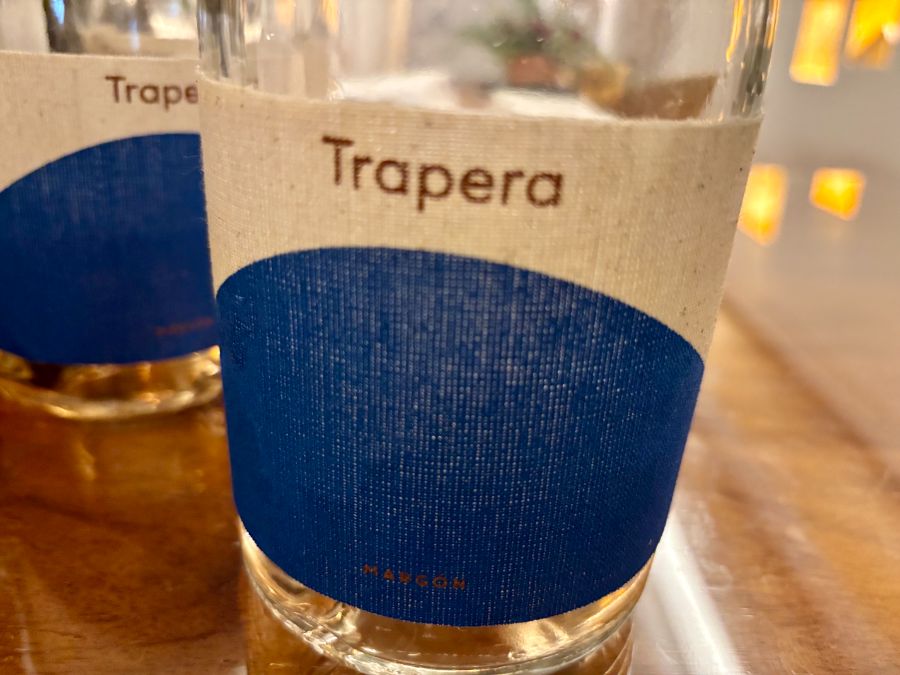
Bodegas Margón, also owned by the family, has its own section, with one white and two 2024 rosés, which illustrate the level of complexity that the estate is looking for. Trapera, the only rosé we tasted, is a blend of 60% Prieto Picudo and 40% Albarín Blanco. It struck a good balance between the creamy texture imparted by oak ageing and Albarín's lively acidity.
The 21st century cuvées
The idea of working with some of Coruñesas' favourite producers came from Diego García Azpíroz, the company’s chief executive. He has been supported in developing the project by Sergio Otero, the group’s executive sommelier, and Roberto Cabrera, who heads its wine projects.
Althoug Bordeaux’s grand crus are no longer within reach among Lhardy’s historic suppliers, two Rioja stalwarts, La Rioja Alta and Murrieta, have returned to the list. The clarete that La Rioja Alta once made as house wine was not a rosé in the modern sense, but a Bordeaux-style claret. “Viña Arana used to be like that,” explained La Rioja Alta’s technical director, Julio Sáenz. The winery has reproduced the old label almost exactly, while updating the wine itself to a more contemporary, fruit-driven Rioja. The grapes come from hand-crafted vineyards acquired in Rioja Alavesa in recent years for the Torre de Oña winery. This wine will be added to the list shortly.
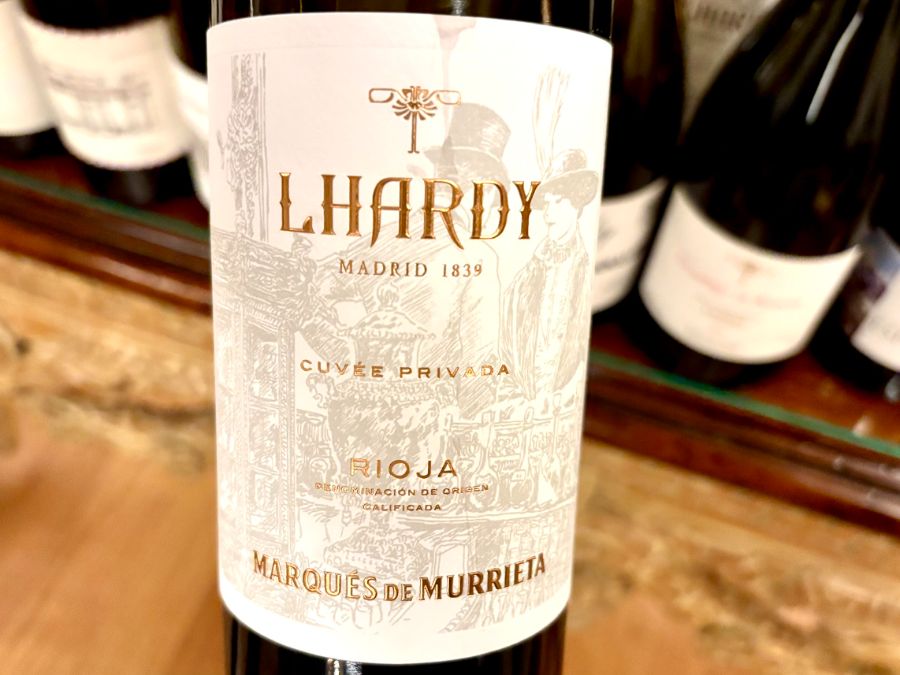
In contrast, Murrieta has produced a wine closer to one of its historical offerings, with a 10-year-old Reserva. It is a 2016 vintage that was bottled in 2019 and made from grapes harvested in October, winemaker María Vargas pointed out, a date that seems almost unimaginable following Rioja's earliest harvest on record. The wine is maturing slowly, retaining plenty of vibrancy, enhanced by the minty notes of the Ygay estate. At €38 per bottle, it is also attractively priced. The only older cuvée on the list is the firm, taut 2015 Dominio de Atauta from the easternmost reaches of Ribera del Duero in Soria. It is sourced from a pre-phylloxera vineyard near El Almendro.
The Rioja selection is rounded out by a single-vineyard red from La Canoca in San Vicente de la Sonsierra, made by Diego Magaña. As he explained, this wine has a riper profile than his usual bottlings, but is packed with flavour and expressive fruit. The wine list will soon be updated with another intriguing addition: the first white version of Artadi’s El Carretil. The 2023 we tasted has fascinating verticality and good ageing potential.
Among the international wines, Burgundy is represented by Albert Bichot, with a Chablis, Meursault Les Criots –the most expensive of the cuvées at €130– and the red Gevrey-Chambertin Les Evocelles. Germany is represented by Bürklin Wolf, whose 2020 Riesling (€86) is citrusy, mineral and persistent. It is sourced from Gerümpel, one of the winery's 16 unique plots and one of the few on basalt.
Lastly, Niepoort brings wines from three regions. The Douro is represented by a red inspired by Charme, seeking an elegant, sophisticated expression of the region. From Port comes a 10-year-old tawny presented in a magnum-sized demijohn. But perhaps the most striking contribution is from Bairrada: a 2021 blend of Maria Gomes and Bical (€88) sourced from fossil-rich calcareous soils with a salty, deep and almost wild finish.
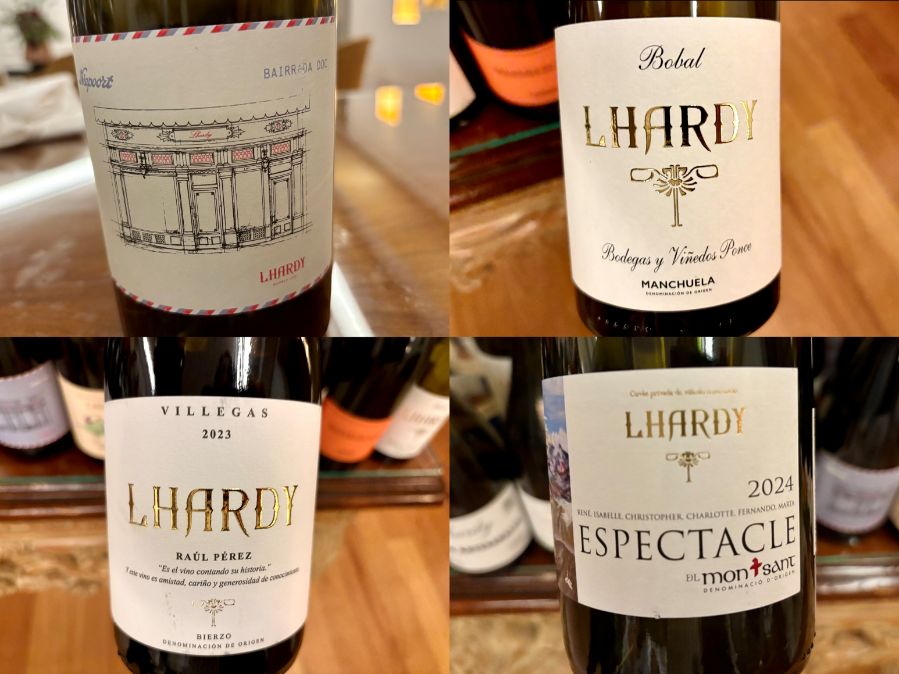
Not all the bespoke wines differ significantly from the producers’ standard releases. A case in point is the wonderful Garnacha Espectacle from Montsant, presented by René Barbier himself. At €116, it costs just two euros less than the Gevrey-Chambertin and is cheaper than in most online stores. Other options include the García family's Garnacha from Toro (San Román, €46); the red Pie Franco (€84), a red from Bodegas Cerrón made with grapes from the Los Yesares vineyard; and Villegas Mencía (€68) by Raúl Pérez’s counterpart to Ultreia Valtuille, sourced from sandy soils. For this cuvée, however, Pérez has chosen a section of the vineyard where the soil transitions to clay.
Drinking well in Madrid
The list also males a concerted effort to cover Spain’s main grape varieties. Garnacha features prominently, with a third example from Gredos: Salvajes el Alto 2022 by Marc Isart. Verdejo is represented by Los Santos 2022, a white wine from a pre-phylloxera vineyard in Segovia, produced by Ismael Gozalo. Convinced of its ageing potential, Gozalo decided to bottle it in magnum.
Juan Antonio Ponce contributes two wines from Manchuela: a delicate, taut Albilla with notes of pumice and petrol; and a Bobal that reflects the lighter style of his more recent reds. The list concludes with a Cabernet Franc produced by Roberto Cabrera in Carabaña, Madrid, with the assistance of Raúl Pérez. The restless producer from Bierzo is a particularly prominent presence in the selection.
The list offers a way to explore Spain's thriving wine scene through producers who have helped shape it over the last 15 years. Most of the wines are unavailable elsewhere and are reasonably priced, a welcome change amid rising prices across Madrid's restaurant scene. One notable omission, however, is the work of women winemakers. Unfortunately, Coruñesas has overlooked some interesting projects that could have brought a broader range of perspectives and winemaking philosophies to the selection.
If I had to choose just one wine from the list, it would be Chan do Monte (€48), for its finesse and complexity. It also possesses a quality not easily found in many Albariños made by the Raúl Pérez–Rodrigo Méndez duo in Rías Baixas: it is drinking beautifully now, with very well-integrated acidity. For those who prefer a more traditional style, 2016 Murrieta at €38 is a real treat.

Author
Amaya Cervera
A wine journalist with almost 30 years' experience, she is the founder of the award-winning Spanish Wine Lover website. In 2023, she won the National Gastronomy Award for Gastronomic Communication
Previous Post