Spring is one of the best times of the year to visit PSI and taste the previous vintage. Peter Sisseck’s second Ribera del Duero project was launched in 2007 with the aim of preserving the region’s old vineyards. Although consumers buy it as a single wine, PSI is built on a complex patchwork of villages.
Its defining axis runs through Gumiel de Izán and Peñaranda, plus snippets of Zazuar, Hontoria, Baños de Valdearados and Tubilla del Lago in Burgos province, as well as Villálvaro, Langa de Duero and Quintanilla de Tres Barrios in Soria. Thanks to underground watercourses and the prevalence of sandy clay soils, Gumiel de Izán tends to produce approachable, less structured wines, while the more limestone-rich soils of Peñaranda contribute a sapid character and a chalky tannic texture. The considerable elevation of the latter village reinforces the sense of freshness in a restrained style of Ribera that deliberately avoids over-extraction.
Aalto is another Ribera built from the sum of many villages, although its origin on the Roa–La Horra corridor explains its more structured and opulent profile. Burgos dominates the blend, with fruit coming from La Aguilera, Baños de Valdearados, Moradillo de Roa, Fresnillo de las Dueñas, Fuentespina, Boada, Gumiel de Izán and Nava de Roa. Valladolid is represented with Quintanilla de Arriba, Piñel de Abajo and Valbuena de Duero, while some grapes also arrive from villages such as Valdezate, Fuentecén, Olmedillo, Aranda de Duero and Adrada de Haza in Burgos, as well as Langa de Duero in Soria.
“Working with such a broad mix gives us consistency and allows us to compensate in difficult vintages,” explains Aalto winemaker Antonio “Toño” Moral. “Making wine from a single village is something exceptional, but you’re more exposed when problems arise.”
From Soria, on the eastern edge of the appellation, Jaime Suárez, technical director at Dominio de Atauta, agrees. “Village wine is very romantic, but you’re putting all your eggs in one basket.” In 2023 and 2024, frost wiped out 90% and 80% respectively of Dominio de Atauta’s crop. The reward, when conditions are favourable, is wines with a highly distinctive identity. “But if you want to preserve that character,” Suárez stresses, “you can’t bring in fruit from elsewhere.”
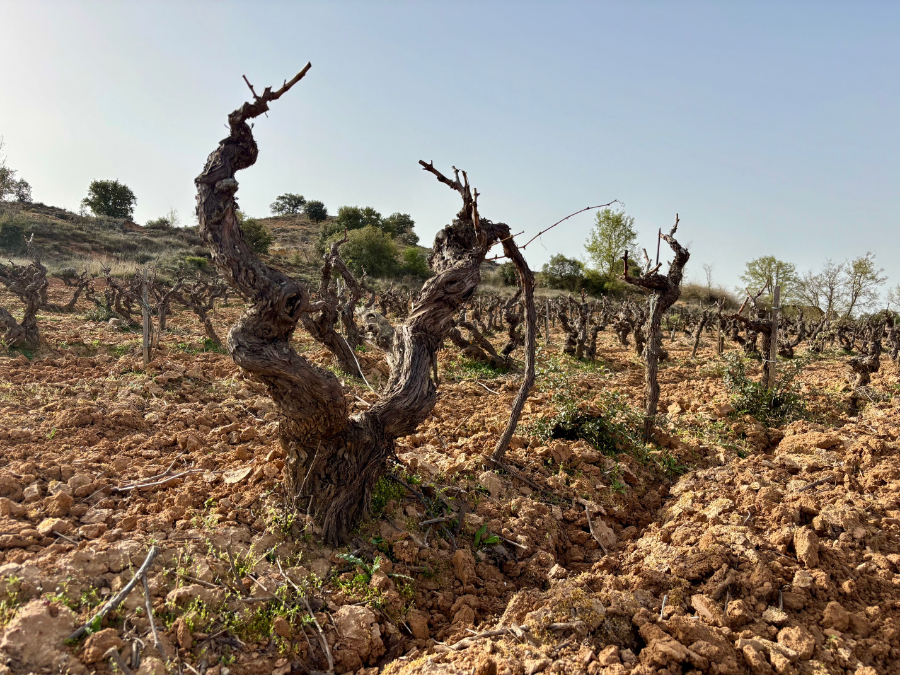
PSI was also hit by the 2024 frost. The estate harvested just 18,000 kg from its own vineyards instead of the expected 90,000, although the shortfall was offset with fruit from other sites and extra grapes purchased from the Quemada cooperative. Even so, the winery is considering launching village wines in the future. Below, one of their vineyards in Gumiel de Izán.
Geographical units
Despite the challenges posed by the region’s extreme climate, a new face of Ribera is emerging —one focused on capturing the defining character of individual villages, whether through wineries rooted in a single village or producers that have spent years vinifying separate origins independently.
Regulation has helped drive the trend. Since 2019, Ribera del Duero’s rules have allowed producers to use the names of smaller geographical units —villages and hamlets recognised by the Consejo or Control Board— provided at least 85% of the grapes come from vineyards located in these units.
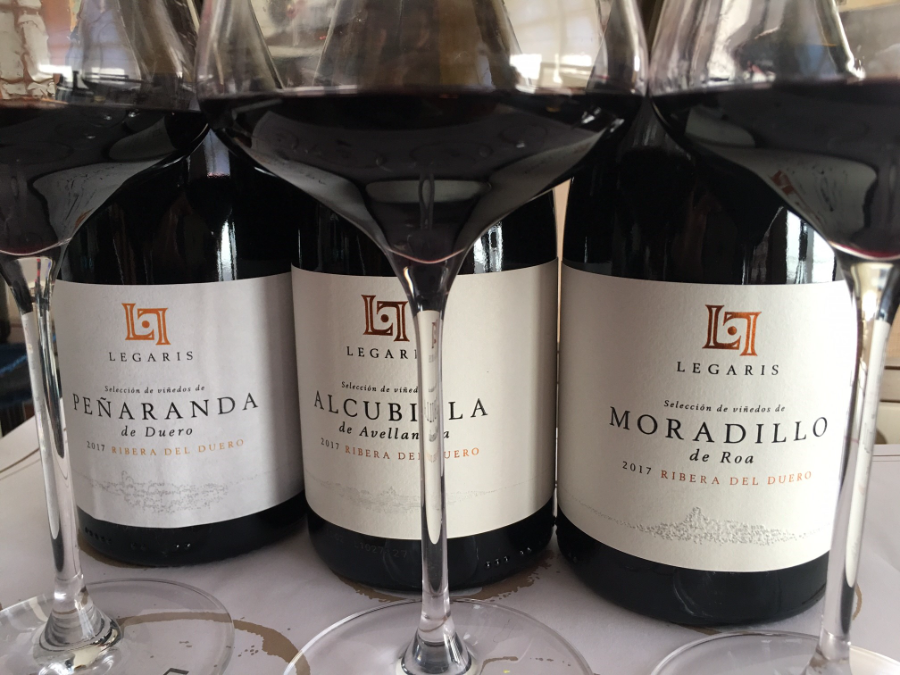
Before then, producers operated under broader Castilla y León regulations, which governed the first collection of village wines launched in 2018 by Codorníu-owned Legaris. Its director, Jorge Bombín, recalls how difficult it was to agree label wording with the Consejo because of the novelty of the proposal. The original range included a red from Alcubilla de Avellaneda in Soria and two from Burgos villages: Moradillo de Roa and Olmedillo. In later vintages, Olmedillo was first replaced by La Aguilera and later by Peñaranda de Duero, before Gumiel de Mercado became the permanent third wine.
The regulation of these names has also tightened labelling controls. Hacienda Monasterio offers a good example. The winery originally worked exclusively with a vineyard in Pesquera de Duero, but several years ago acquired 14 adjoining hectares in neighbouring Valbuena in order to guarantee stable production volumes in difficult vintages. In years when fruit from Valbuena is used —notably 2022, 2023 and especially 2024, after frost losses of 40%— the wines cannot carry the village name. In vintages sourced solely from the Pesquera vineyards, such as 2021 and 2025, the origin can once again appear on the label. Although Hacienda Monasterio is widely recognised as an estate wine, the winery has no intention of giving up the added value associated with naming the village whenever possible.
From the Golden Mile to the basis
It would be unfair to describe village wines as entirely new in Ribera. The personality of its villages has long formed part of the region’s cultural fabric, with styles frequently linked to place —the reds of Peñafiel or the claretes of Aranda de Duero, for example. In the 1970s, the pioneering Alejandro Fernández named his wine after his village, Pesquera, while wineries founded across different decades have tied their identity to their birthplace: Viña Pedrosa, Valsotillo, Dominio de Atauta and Bodegas La Horra among them. Others decided to feature the name of their village on the labels; Vizcarra, for instance, has done so with Mambrilla de Castejón since the early 2010s.
Ribera del Duero’s modern prestige was built in the 1980s and 1990s on the strength of brands. While Vega Sicilia represented the historic tradition of long-aged wines, Pesquera embodied the fruit-driven power of contemporary Tempranillo. One of the region’s earliest and most successful concepts, La Milla de Oro (Golden Mile), emerged from the concentration of wineries such as Arzuaga, Finca Villacreces and Viña Mayor along the Valladolid stretch of the N-122 road. Prestigious estates outside the DO boundaries such as Mauro in Tudela de Duero and Abadía Retuerta in Sardón de Duero also lay along the same route. Today, the Golden Mile has become a tourism promotion tool for Valladolid’s provincial authorities.
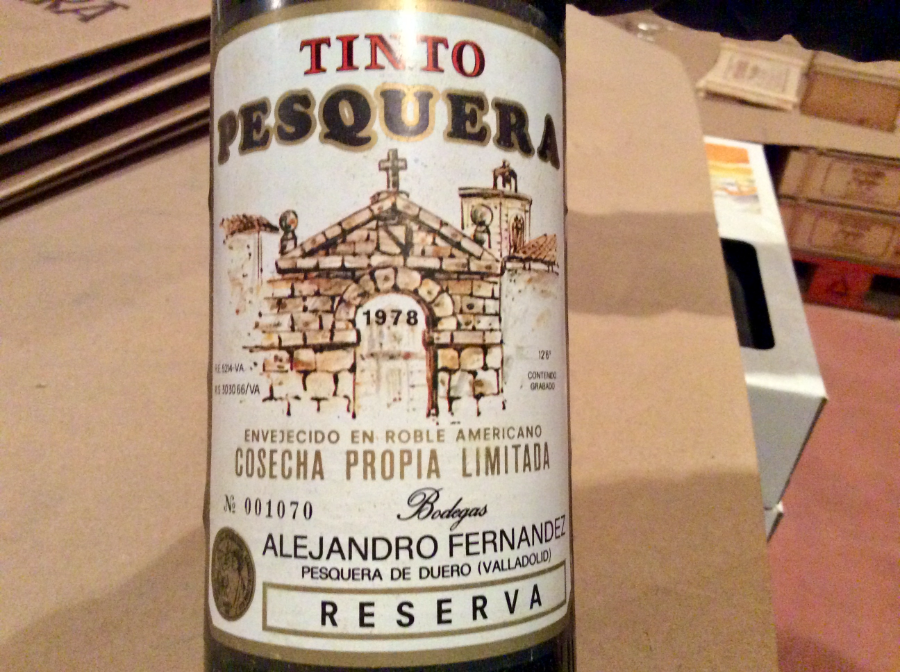
Beyond village names, Ribera has many other defining themes reflected on labels —old vines, elevation, vineyards on the páramo (plateau) and single-estate projects with strong identities of their own. So what makes villages different?
For Toño Moral, a village’s personality goes beyond soils. “The limestone soils of Valladolid are not the same as the sands of La Aguilera,” he explains. Plant material, vineyard practices and growers’ decisions all play a role. “A vine from Baños de Valdearados is very different from one in La Horra.”
Much of this only applies to old vineyards, since many plantings from the 1990s and early 2000s relied on generic Tempranillo clones. Moral points, however, to the work of Vitis Navarra, which has catalogued more than 1,600 Ribera Tempranillo biotypes by municipality, alongside associated field-blend varieties. The material is preserved at the nursery’s Zayas de Bascones estate in Soria. “Future differentiation will come through planting vineyards with local material and field grafting on site to use biotypes specific to each area,” Moral adds.
How does a village become famous?
Historically, villages earned recognition through the quality and individuality of their wines. More recently, reputation has often depended on the prestige of their wineries. It is impossible not to associate Valbuena de Duero with Vega Sicilia —especially since its second wine is called Valbuena— or Tinto Pesquera with Pesquera de Duero. Peñafiel has always benefited from its castle, the region’s great architectural icon, although the identity of its most famous winery, Pago de Carraovejas, has relied more heavily on brand strength than origin.
In the 1990s, attention began shifting towards Burgos. La Horra’s profile rose sharply simply because Pingus was made from two vineyards in the village. For years, the depth and power of wines from the Roa–La Horra axis defined the classic Ribera style and supplied fruit to many wineries across the appellation. Pedrosa also became a notable name thanks to the presence of producers such as Viña Pedrosa, Pago de los Capellanes and Bodegas Rodero.
At the turn of the century, Dominio de Atauta put Soria’s stretch of Ribera on the map, revealing the extraordinary pre-phylloxera vineyards of the Atauta valley. A decade later, renewed appreciation for old vines and the rise of Dominio del Águila, with its distinctive and disruptive style, elevated La Aguilera —a hamlet of Aranda de Duero and probably the place with the highest concentration of village wines.
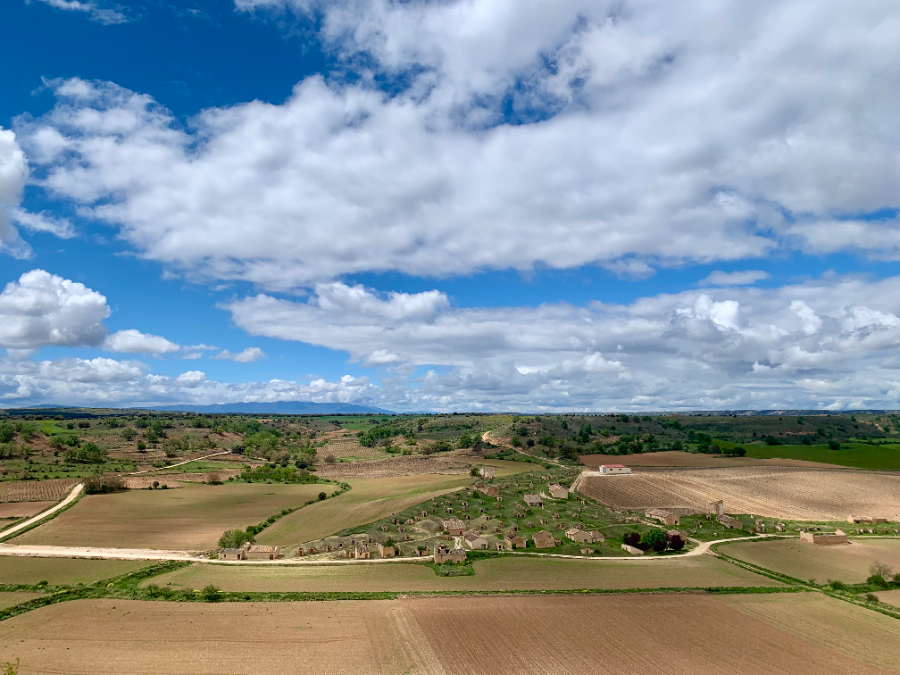
Climate change then increased attention on high-elevation vineyards, drawing interest back to Soria and villages beyond Atauta, including Villálvaro (photo below) and Matanza de Soria. Focus also shifted to the highest areas of Burgos within Ribera: Peñaranda on the northern side of the Duero; south of the river, Fuentenebro with its distinctive red soils and Moradillo de Roa, the appellation’s only plateau of alluvial soils and one of the few places spared by the devastating 2017 frost.
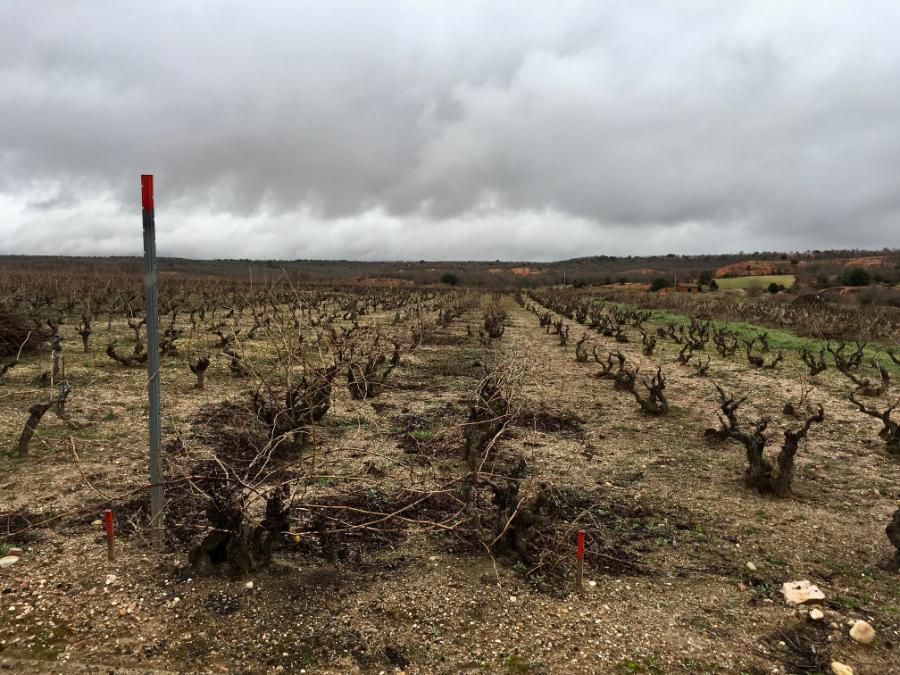
A more terroir-driven Ribera
Most wines from the 1990s and early 2000s displayed the winery address and village name prominently on the front label. Over time, that information migrated to the back label. Today, any hamlet or village appearing on the front alongside the DO name implies traceability controls overseen by the Consejo Regulador. For many producers, this represents a clear statement of intent.
“For us, moving away from ageing classifications in favour of origin-based classification is crucial,” explains Rodrigo Calvo Arroyo, who, alongside his brother Asier, completely restructured the range at Arrocal —the winery founded by their parents in the early 2000s— with the 2023 vintage. “Not because one system is better or worse, but because we want to show that the wine comes from a specific place: Gumiel de Mercado. We also want to avoid consumers falling into the trap of the numbers game and assuming that a wine aged 14 months in oak is automatically better than one aged 12. So we standardised vinification and ageing across the range, allowing the differences to come purely from origin.”
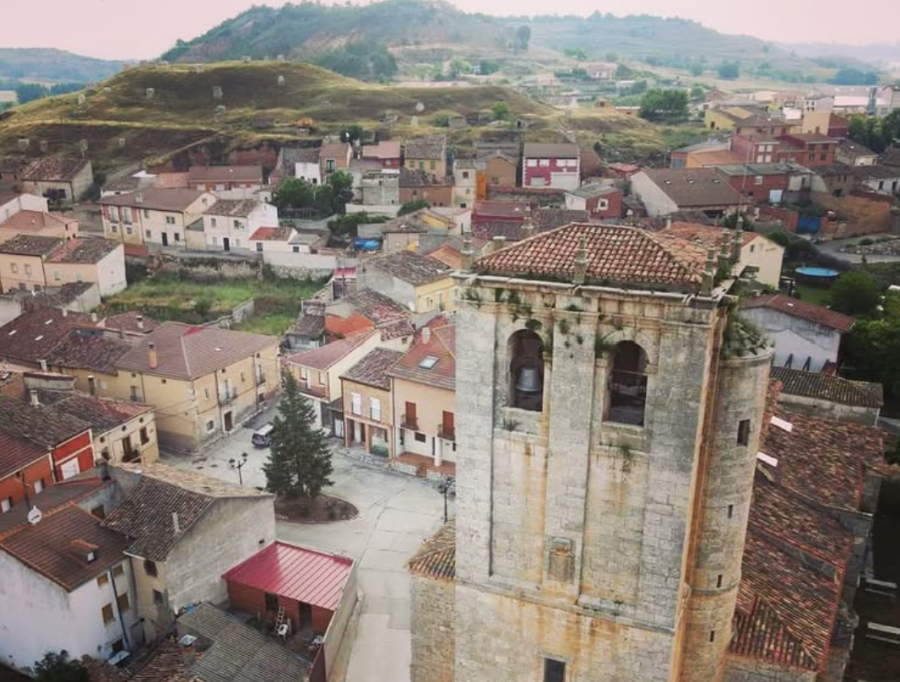
The Calvo Arroyo brothers had already explored the concept even more radically with Casa Lebai, a project launched in 2019 to preserve vineyard heritage and revive traditional local winemaking styles. Their three single-vineyard Casa Lebai wines also carry the name Gumiel de Mercado.
Bodegas Félix Callejo in Sotillo de la Ribera also in Burgos, shares the same philosophy. “It really helps us explain the project and enhance the work of classifying different zones within a single village,” says Noelia Callejo. “Before, it was frustrating because people focused only on ageing categories.” An article we published two years ago detailed how the estate rebuilt its current range around a soil study, abandoning the ageing hierarchy that had defined the previous generation.
Callejo recognises that most of Ribera remains uninterested in this level of detail and that the village movement is still very small, but she sees it as the future of origin-driven wines. When we contacted her, she was organising a gathering of village-wine producers who share the same philosophy, including Magna Vides, the project of Pablo Arranz and Andrea Sanz in La Aguilera. Focused on old vineyards, their plots stretch across the Gromejón valley. Most lie on the north-facing slopes belonging to La Aguilera, while the south-facing sites fall within Quintana del Pidio and are vinified separately. “We never blend villages,” says Andrea.
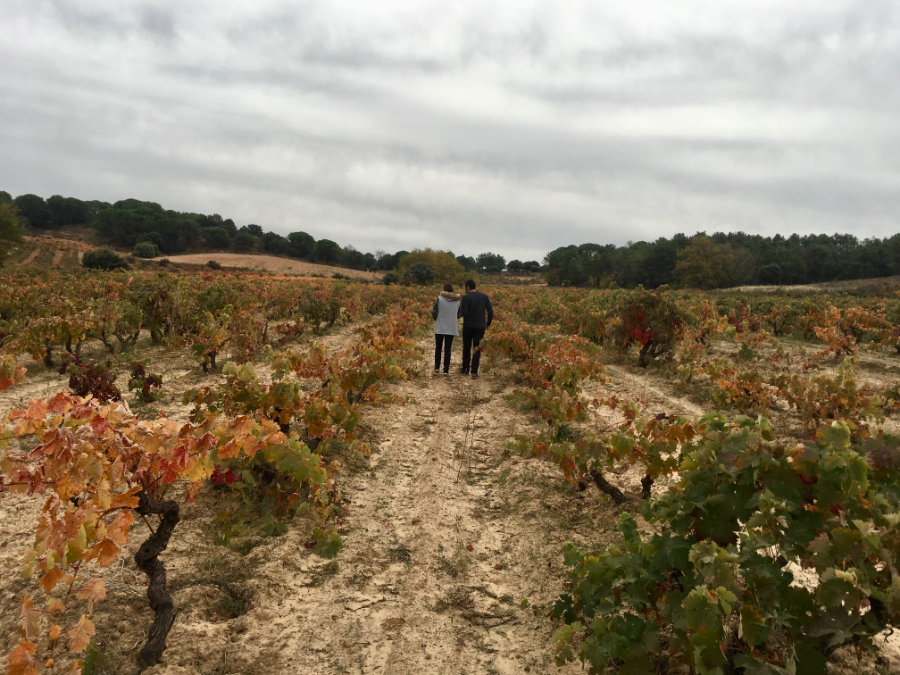
According to these producers, the message resonates most strongly among sommeliers and critics, but also increasingly with consumers. “People appreciate and understand it when they visit the vineyards and experience it in situ,” Andrea adds.
Valencian producer Toni Sarrión of Mustiguillo, who became majority shareholder of Hacienda Solano in La Aguilera in 2017, labels all the wines with the village name but is less optimistic. “Very few people in the restaurant trade value it, and even fewer Spanish consumers because the market is still very brand-driven. If the wines sell, it’s because they drink well —less oak, less broad and more profound palates. Export markets understand it better, especially mature ones like Belgium, the Netherlands, Denmark and French-speaking Switzerland. Importers are looking for village wines with identity and market them differently from other Ribera wines.”
Another way of telling Ribera’s story
Despite the relative novelty of these wines, differentiation through village identity has worked well for Dominio de Cair, the Ribera del Duero project of Rioja’s Familia Luis Cañas group, which settled in La Aguilera attracted by its exceptional heritage of old vineyards. Cair, the winery’s flagship wine, was initially released as a generic wine, to be sold as a crianza in 2015 and 2016. “At that point we asked ourselves what really defined us —making a crianza, or making a wine from our vineyards in La Aguilera,” says Iñaki Cámara, managing director of Familia Luis Cañas. “We realised we needed to express what makes us different.” Beginning with the 2017 vintage, the wine was renamed Cair Selección de La Aguilera to emphasise origin. “The change helped us segment our audience. The crianza category limited us to a very specific market, whereas the new identity connects with less traditional consumers who simply want to drink wines they enjoy.” The name La Aguilera also appears on Tierras de Cair, a wine classified as Reserva but with no reference to ageing on the front label.
Bardos, another Rioja-backed Ribera project created by the Vintae group, also reorganised its range a few years ago by bringing the names of its two most emblematic sourcing villages onto the label: Moradillo de Roa in Burgos and Villálvaro in Soria.
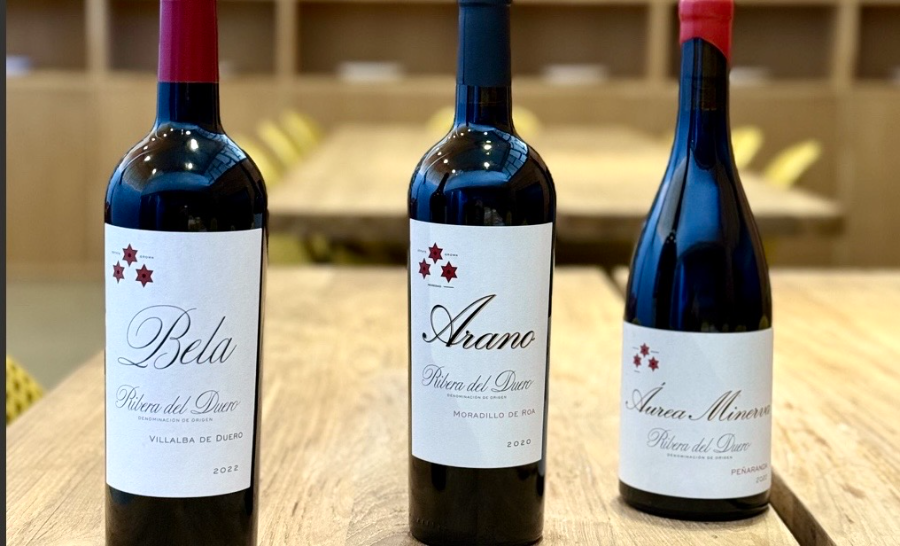
CVNE has gone even further following its acquisition of Bodegas Anta —later renamed Bela— at the end of the 2010s. “From the very beginning we decided to vinify everything separately to identify quality levels that might become interesting in the future,” explains winemaker Sara Juan. Entry-level Bela (around 300,000 bottles) and the small production of rosé are sourced from the Villalba vineyards surrounding the winery and identified as such on the label. Next comes Heredad Arano (around 40,000 bottles), from Moradillo de Roa, and finally the top wine Áurea Minerva, a single-vineyard bottling from a very old plot in Peñaranda, with production limited to 3,000 bottles. Together, they form a complete range of village wines.
Other examples include Dominio del Pidio, the Aragón family’s project to revive the historic winery quarter of Quintana del Pidio, working with old field-blend vineyards and traditional winemaking methods within a far more tightly defined framework than the family’s main winery, Cillar de Silos.
Today, however, the broadest and most varied portfolio of village wines probably belongs to El Lagar de Isilla. José Andrés Zapatero, owner of the restaurant, winery and hotel group of the same name in Aranda de Duero and La Vid, has worked alongside winemaker Aurelio García to create a collection of “territory wines” sourced from old vineyards gradually acquired across Burgos and Soria since the late 1990s. The range includes Guma, a hamlet of La Vid with extremely poor sandy soils; Peñaranda, where sandy clay soils sit at higher elevation; Langa de Duero in Soria, dominated by limestone; and Matanza de Soria, known for its intensely red clays.
This new chapter in Ribera del Duero is only just beginning.
A guide to discover the villages of Ribera del Duero
Atauta
Dominio de Atauta White and Red
Dominio de Atauta Valdegatiles, Llanos del Almendro, San Juan, La Roza, La Mala (single vineyards)
Alcubilla de Avellaneda
Legaris
Guma
El Lagar de Isilla
Gumiel de Mercado
Arrocal Village
Arrocal Colmenares
Arrocal Casablanca, El Colorado and Canteras
Casa Lebai La Nava, Matadiablos, El Portillo (single vineyards)
Legaris
La Aguilera
Cair Selección La Aguilera, Tierras de Cair, Cair Albillo
Magna Vides White and Red
Magna Vides Bancales del Sardal and Fuente del Zorro
Hacienda Solano Selección and Viñas Viejas
Hacienda Solano Finca Peña Lobera and Finca Cascorrales (single vineyards)
Langa de Duero
El Lagar de Isilla
Mambrilla de Castejón
Vizcarra Senda del Oro and Vizcarra Torralbo
Vizcarra Inés and Celia (single vineyards)
Matanza de Soria
El Lagar de Isilla
Miño de San Esteban
Cuarto Lagar Tinta del País and Albillo Mayor
Cuarto Lagar Palito V Clarete and Red
Moradillo de Roa
Legaris
Bela Arano
Bardos
Peñaranda de Duero
Bela Áurea Minerva
El Lagar de Isilla
Quintana del Pidio
Magna Vides Viña del Cuadrón
Dominio del Pidio White, Rosé and Red
San Juan del Monte
El Lagar de Isilla
Sotillo de la Ribera
Majuelos de Callejo, Viña Pilar, El Lebrero, Finca Valderoble, Parajes de Callejo, Félix Callejo
Villálvaro
Bardos

Author
Amaya Cervera
A wine journalist with almost 30 years' experience, she is the founder of the award-winning Spanish Wine Lover website. In 2023, she won the National Gastronomy Award for Gastronomic Communication
Previous Post
Next Post
Can Rich d’Amfora 2024 White