Marcelo Retamal is a leading figure in the Chilean wine industry. During his early years at De Martino in the mid-1990s, he negotiated an unusual condition with the winery: a month each year to travel through the world’s wine regions. Those trips proved formative and pushed him towards a less interventionist philosophy, adapting picking times according to site and grape varieties, and alternative ageing vessels such as clay amphorae instead of conventional oak.
Retamal has been closely involved in the revival of some of Chile's lesser-known regions, such as Itata, Límari and Elqui, where he has been a partner in Viñedos de Alcohuaz since 2006. He has also played a key role in the resurgence of Cariñena in the Maule Valley, as a founding member of the Vigno association. In 2019, he launched his own venture, Reta Wines, and two years later he left De Martino to focus on this own ventures. That move widened his horizons beyond Chile and into Spain, where he has focused on the country's two major historic wine regions, Rioja and Jerez. He has also turned his attention to Sierra de Francia in Salamanca, as his family is originally from the nearby town of Béjar.
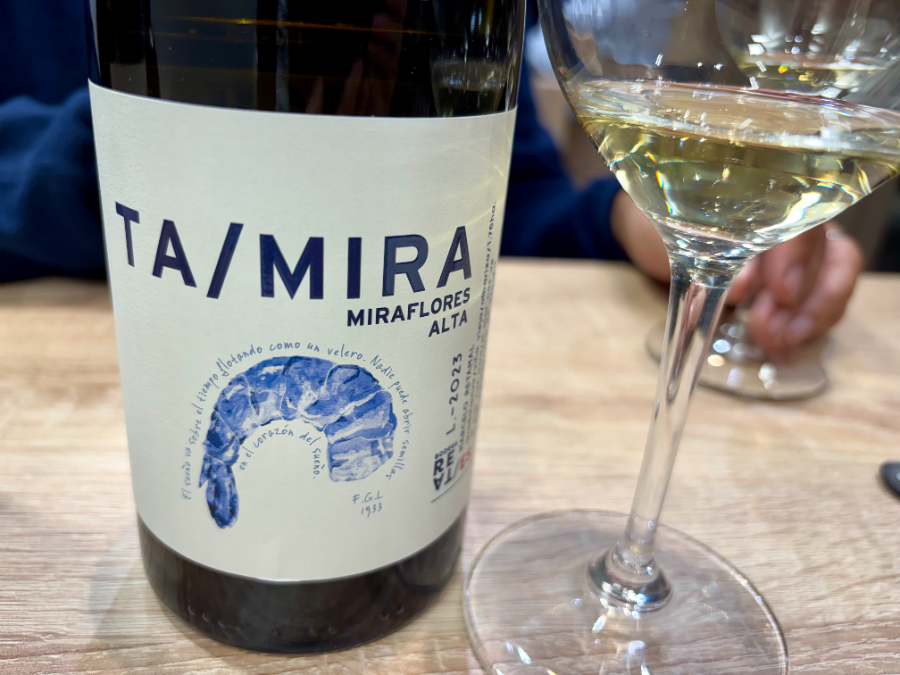
Among his Spanish releases, the standout is Ta/Mira, produced in the Sherry Triangle. “If you take Burgundy out of the equation, Jerez is one of the world’s greatest regions for white wine,” Marcelo said during one of the first tastings he conducted in Madrid to present his project. "Jerez needs a style that helps consumers get used to the region's flavour before they move on to its traditional wines," he added.
In what ways does his approach differ from most of the region’s unfortified whites? Retamal brings a more international perspective. He ages his wines under flor but deliberately looks for a thin veil of yeasts. The old casks he sources locally are also meticulously cleaned before use. Harvest generally takes place between the last week of August and the first week of September (for the 2023 vintage, this was 29 August) with bottling the following July.
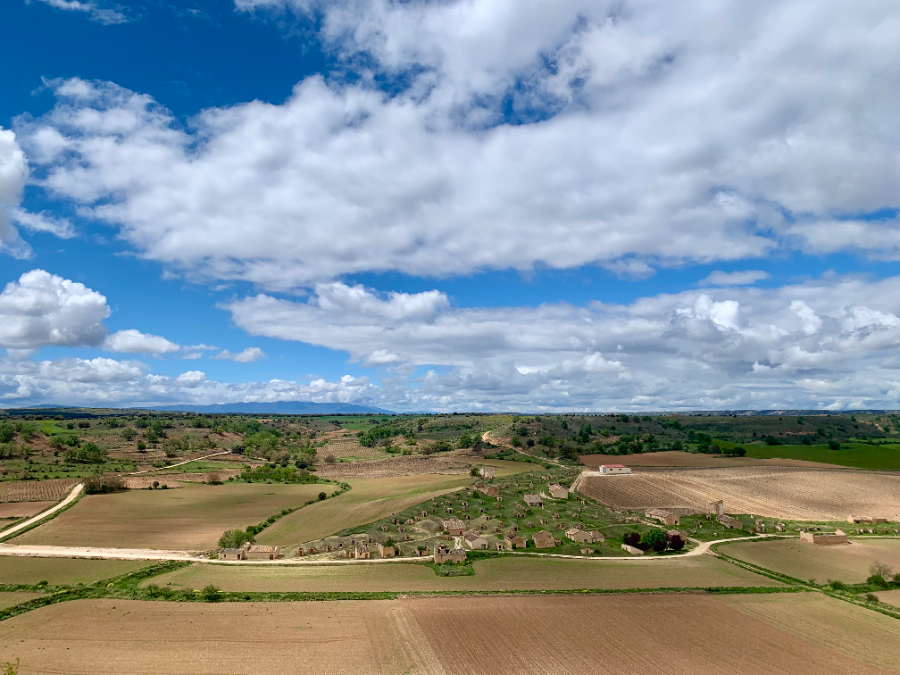
The wine comes from an old vineyard planted with traditional Palomino clones on white, chalky albariza soils in the upper section of Pago de Miraflores. Retamal purchased the site from the original owner’s heirs after his death . Overlooking the Atlantic, the vineyard is still in the process of recovery, which explains the modest production levels. Even so, Retamal expects output to rise steadily: by 2025, he announced plans to produce 7,000 bottles in 2025, including a second wine, M-2, and he expects this figure to increase to 12,000 bottles in 2026. He also highlighted the vineyard's notable resilience in dry years. TA on the label refers to 'Reta', the producer's surname, while 'Mira' indicates the Miraflores site.
The wine combines aniseed, spice and a faint petrol character with a deep, savoury and creamy palate that reveals the influence of the sea and the elegance of the coastal vineyards. Less marked by flor than other unfortified whites from the region, it nevertheless is a serious wine with a well-defined character and good ageing potential.
One area in which Retamal differs from some local winemakers is the use of the term 'vino de pasto'. He believes that it travels poorly in export markets and does little to help consumers understand the category of unfortified whites from Jerez . His approach is far simpler: “I make a white wine that reflects my own interpretation of the vineyard.”
12% abv.
2,436 botellas
€50
Score: 94

Author
Amaya Cervera
A wine journalist with almost 30 years' experience, she is the founder of the award-winning Spanish Wine Lover website. In 2023, she won the National Gastronomy Award for Gastronomic Communication
Previous Post