At Spanish Wine Lover, we usually attend far more tastings and presentations than we can realistically cover on the website. This week, we round up a selection of recent discoveries, focusing on the wines, styles and trends that caught our attention.
While most of our recommendations are whites and rosés to enjoy throughout the summer, we have also included a couple of noteworthy reds.
Roda doubles down on rosé
Following the release of its first Rioja rosé earlier this year, the youngest bodega in Haro’s Barrio de la Estación has now expanded the concept to Ribera del Duero. As with its Rioja counterpart, the wine is released with Reserva ageing, although Corimbo Rosado was created almost by accident. It was one of two options proposed to celebrate the opening of the new winery in La Horra (Burgos) in 2025. Although a red wine made from the surrounding vineyards was also considered, the rosé emerged as the clear favourite. Its success was such that it has now become a permanent addition to the range. The current 2023 release is the same commemorative wine created for the occasion. As there will be no 2024 vintage, the sale of the 2023 vintage was deliberately delayed to ensure the market does not run out of stock before the 2025 vintage is released. Only 4,000 bottles are available for now, but the aim is to increase production to 20,000 in the near future.
Made entirely from Tinto Fino (Tempranillo), Corimbo Rosado steers clear of both traditional clarete style, based on blends of red and white grapes, and the pale-coloured Provençal style. The wine is made using only free-run juice, fermented in stainless steel tanks with local yeasts and aged for 15 months in seasoned 225-litre barrels. At €30, it is priced as Rioja's Perdigón Reserva Rosé.
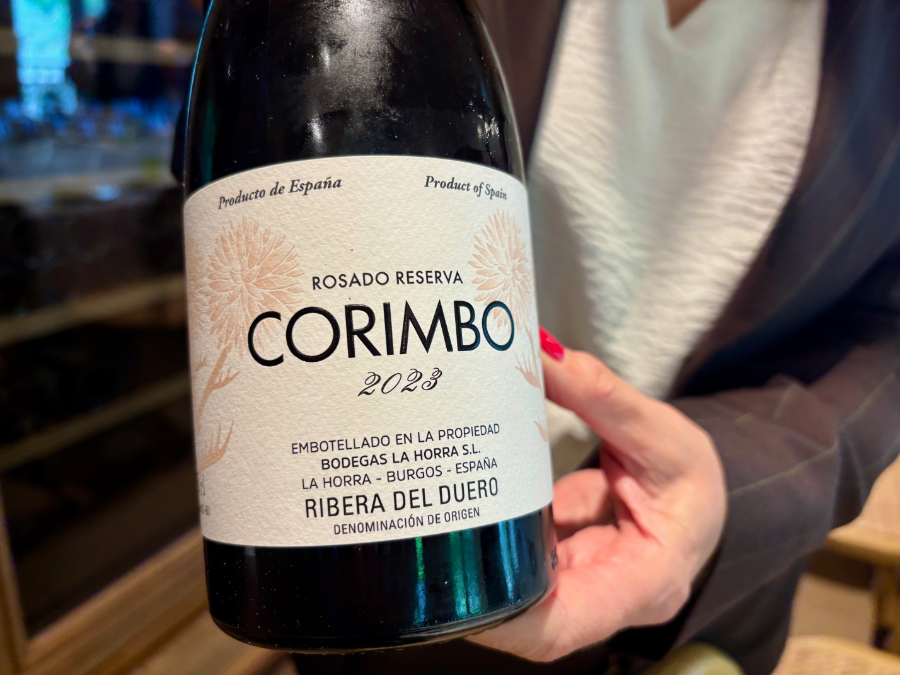
Raspberry pink in colour, the wine opens with toasted and creamy notes, before gradually revealing hints of red fruit and aniseed. Beneath its distinctly austere Ribera frame lies plenty of structure, acidity and alcohol (14.5% abv), yet all these elements are well balanced and rounded off with a juicy mouthfeel. This opulent style offers a good alternative to red wines alongside hearty dishes during the warmer months. With temperatures rising year after year, perhaps rosé could become the new summer red
Clarete with a touch of Moscatel
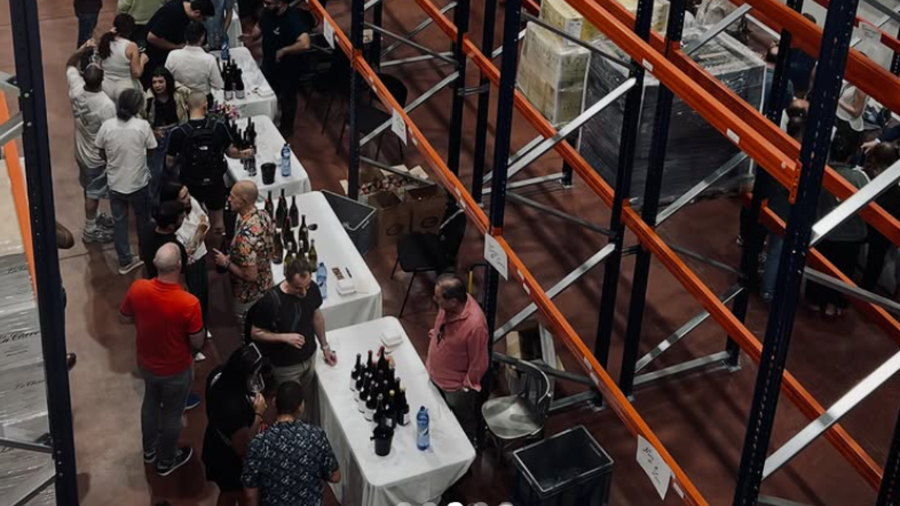
One of the most interesting wine tastings we have attended in recent weeks was organised by distributor Cuvée 3000 to celebrate the opening of its new logistics facility in Madrid. Among the flagship producers invited, two wines stood out for their unusual approach: both were blends of Moscatel de Alejandría and red varieties.
The most striking was a 2024 clarete from Indiano, an exciting new project in Gredos that we will cover in greater depth after the summer. Winemakers Maca Nogara and Charly Gotchac have produced an original blend of equal parts Garnacha and Moscatel de Alejandría sourced from a local winegrower. Since Moscatel is not authorised in DO Cebreros, the wine sits within their most experimental range, named Rebeldes.
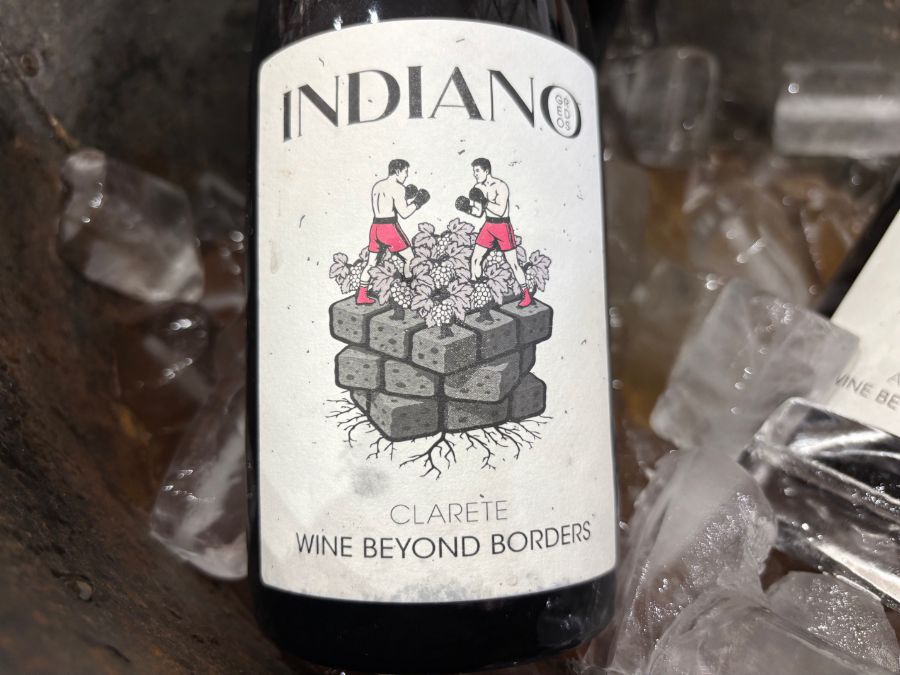
The blend also reflects the geography of the project. Grapes come from vineyards on both the southern slopes around San Esteban, where the couple live, and the northern slopes in Cebreros, where they have the winery. This allows ripening dates to align and both varieties to be fermented together. The fruit is layered in alternating batches, some destemmed and some including whole bunches, encouraging a semi-carbonic maceration and a slow fermentation, followed by ageing in amphorae. Moscatel contributes considerable aromatic intensity, expressing its wildest, most herbal character (white flowers, lavender and dried herbs), supported by the red fruit notes of Garnacha. On the palate, the wine has plenty of tension and freshness, with earthy tannins that lend substance and grip. At 14% abv, it offers an unusually structured take on rosé and proves extremely versatile when paired with food.
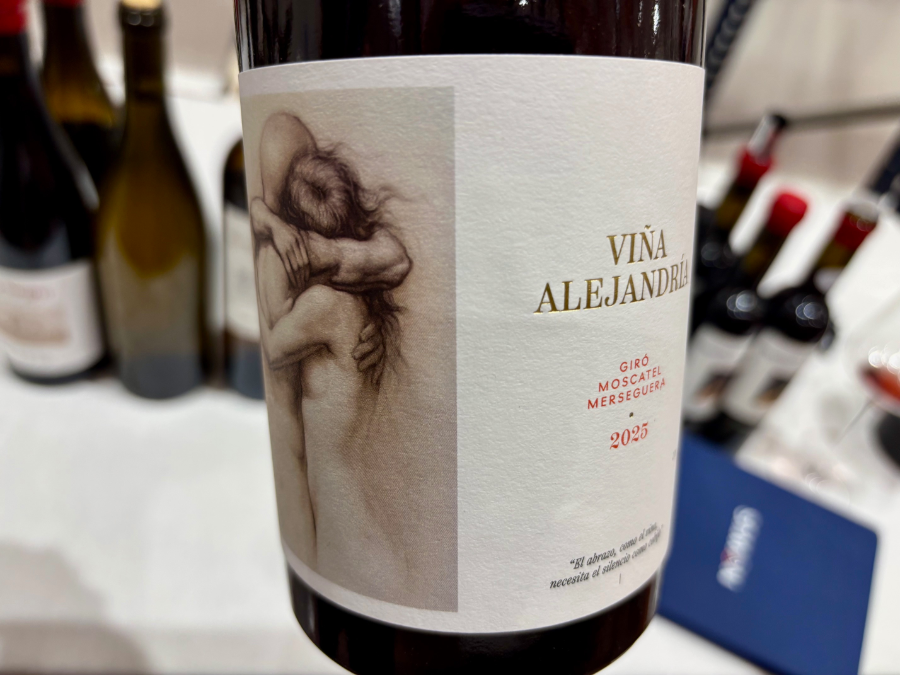
The second example comes from Gutiérrez de la Vega, a Moscatel specialist based in Alicante that has explored every possible facet of this variety, from dry and sweet wines to skin contact bottlings and wines aged under a veil of flor. Its new Viña Alejandría, produced in fewer than 600 bottles, breaks new ground by blending Moscatel with red grape varieties. This fairly deep-coloured rosé is made from Giró (a local Garnacha clone), with approximately 15% Merseguera and Moscatel, both briefly macerated. With a smaller proportion in the blend, Moscatel's fragrant character is more restrained, creating a juicy, light wine with a pleasant bitter aftertaste. It could hardly be more different from Indiano: an easy-drinking summer rosé with moderate alcohol content (11.5% abv) perfect for long summer afternoons by the pool or the beach.
Garnacha Blanca
The latest edition of the annual White Wine Tasting organised by Calduch Comunicación in Madrid featured adedicated Terra Alta section showcasing the region’s unique Garnacha Blanca wines. Our favourite examples were wines that had spent some time ageing and revealed both the variety's complex character and ageing potential. A fine example was Selecció 2022 (€32) by Altavins. Made from a vineyard planted in 1954 on the sandy soils known locally as panal, it combines notes of white fruit and pollen with the first hints of petrol development. The palate is creamy and textured, yet retains freshness.
Celler Piñol’s Anima L’Avi Arrufi 2024 offered an interesting contrast. Aged in concrete and granite vats, it had a smoother, rounder texture and more nuanced acidity.
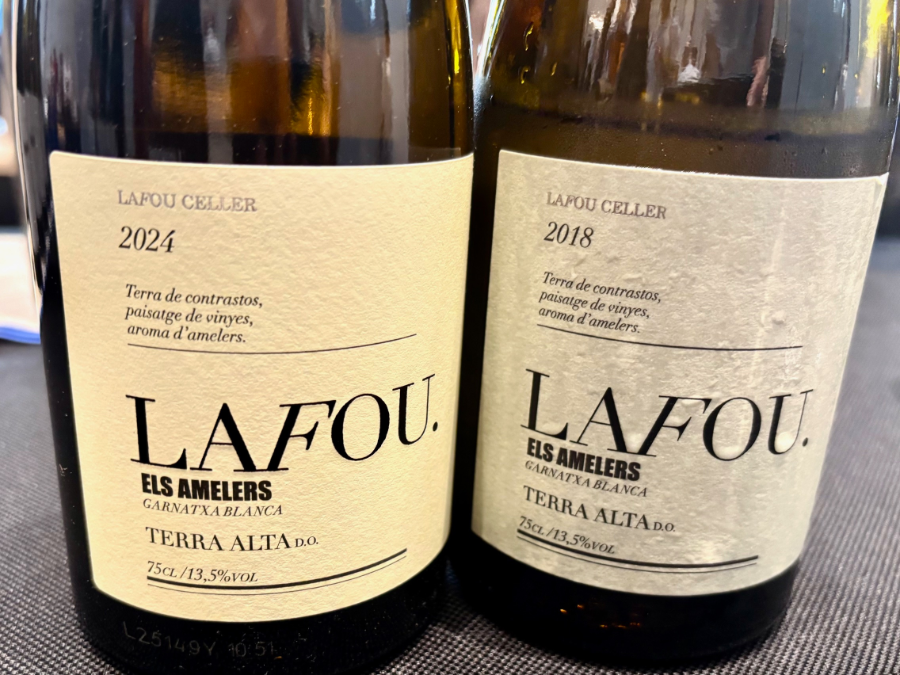
The Roqueta family’s Lafou winery presented two vintages of its flagship white, Els Amelers. While the 2024 vintage was youthful and floral, the 2018 had evolved towards notes of petrol and Mediterranean herbs. Combining fruit from an earlier, slightly greener harvest with a riper one, tits style lies somewhere between the two previous whites. Ageing takes place in different vessels: stainless steel, egg-shaped concrete vats and oak.
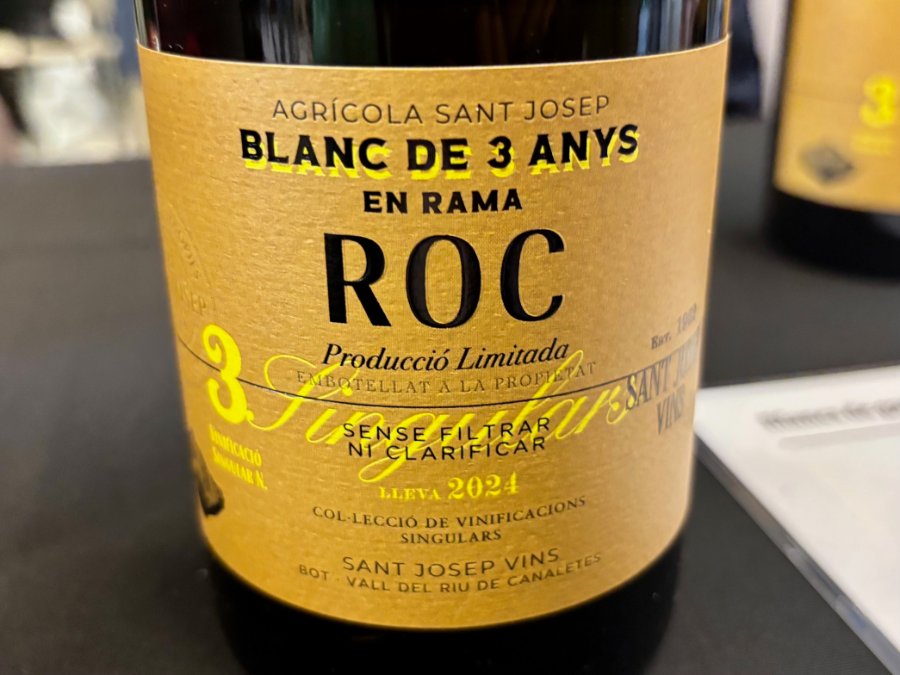
Meanwhile, Cooperativa Sant Josep has revived traditional regional styles through its Laqvarta range. Segundo Año white, made from vines averaging 40 years, is aged on its lees in stainless steel tanks. More interesting still is the new Blanc de 3 Anys (third year), recently added to the Roc Singulars range. This wine recovers a traditional solera-aged white which was once highly regarded by the cooperative members. Historically, part of the saca (extraction) was used to top up the solera of a dry rancio, while the remainder was sold in bulk. This new version comes from a solera started in 2014 that waited until its tenth saca for its first market release. The wine shows the additional complexity and structure that can be achieved by blending multiple vintages.
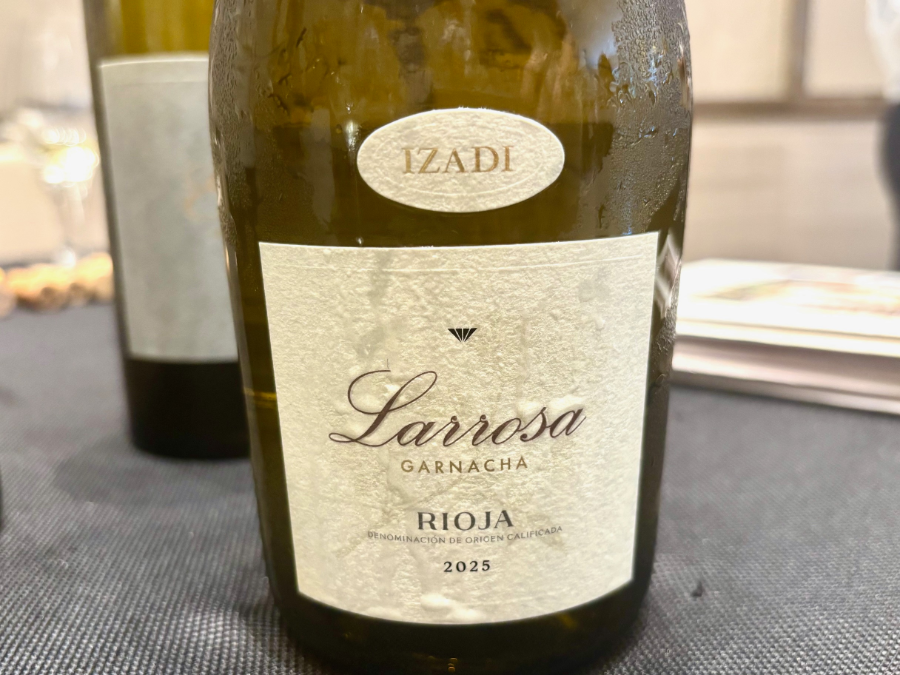
The breath of producers attending the fair gave us the chance to taste two Garnacha Blanca wines from different regions of the Ebro Valley. In Rioja, Izadi produces Larrosa 2025, an unoaked Garnacha Blanca, although the team told us they will start introducing some barrels in 2026. The wine focuses on white fruit and aniseed notes, with a more moderate structure than many of the Catalan examples. Balanced and approachable, it offers excellent value at under €10. In Navarra, Marco Real produces a relatively early-harvest Garnacha Blanca within the Pequeñas Producciones range by blending grapes from Olite and Tierra Estella. This is a floral, almost minty style with moderate alcohol (12.5% abv), pursuing a fresh, easy-to-drink white rather than a strong varietal character.
Two 2021 Riojas and a red Carinyena
Following La Rioja Alta’s new release tasting in Madrid a few weeks ago, we selected Viña Alberdi 2021 as our wine of the week. The historic Haro producer elevated the wine from Crianza to Reserva status and awarded it the Special Selection distinction.
Another wine deserving attention is Finca Martelo 2021 from Torre de Oña in Páganos (Laguardia). The interest lies not only in the quality of this vintage, but also in significant changes to the blend. For the first time, 10% of the wine comes from what the winery calls Viñedos Artesanales —small, old, goblet-pruned plots acquired over recent years. These vineyards now amount to around 60 hectares in Rioja Alavesa and a further 22 hectares in Rioja Alta. The first vinification of these vines took place in 2021. As a result of this change, Martelo is no longer a single-vineyard red. Previously made from a specific plot within the Torre de Oña estate, it is now labelled as a zone wine (Rioja Alavesa). The artisanal vineyards in Rioja Alavesa were selected to match the characteristics of Martelo, including the varietal mix. The 2021 vintage is a blend of 95% Tempranillo and 5% Mazuelo.
Another change to the 2021 vintage is the removal of the term Reserva from the front labels of bottles destined for export markets, even though the wine retains this ageing category. For now, there are no plans to relaunch Martelo as a generic Rioja.
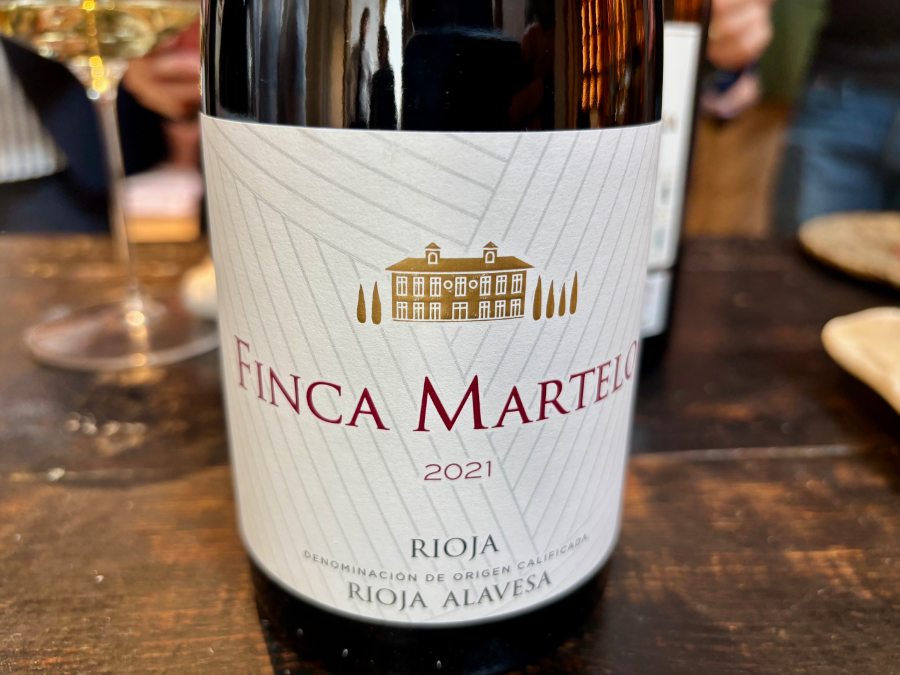
Technical director Julio Sáenz explained that the revised blend seeks greater complexity and length. Regarding the style, he added: "We want to limit the impact of oak on the wines". In the glass, ripe cherry fruit takes centre stage, alongside subtle minty notes and hints of curry. Silky and elegant, this Martelo captures the signature finesse and balance of the region, with the depth of flavour that distinguishes Rioja Alavesa.
A few days later, we attended Cvne's own new releases tasting, another leading winery from Haro's Barrio de la Estación. The only 2021 presented on this occasion came not from the parent company, but from Contino, Cvne's estate in Laserna (Rioja Alavesa). Don Vicente is one of Contino's lesser-known wines due to its limited production (around 2,000 bottles in this vintage) and its recent arrival on the scene. First made in 2019, it emerged from a project led by winemaker Jorge Navascués (pictured below), who recognised the quality potential of a section of Mazuelo vines planted in 1980 on stony soils in the Don Vicente vineyard. “Here, this late-ripening variety reaches full maturity while developing a less concentrated profile than wines intended for our Gran Reserva blends,” Navascués explained.
The wine is a rarity and one of the winery’s most expensive bottlings, priced at €83 alongside Viña del Olivo and Contino Graciano. It has a vivid purple colour, though not over-extracted in appearance, with red and blue fruit, particularly blueberries, against a backdrop of tomato plants, and a beautiful aromatic complexity that evolves towards violet notes. Most striking of all is its almost silky texture, an unusual quality for this often rustic variety. There are darker, cinder notes on the palate, yet it remains taut and vibrant.
The Best of Spain tasting organised in Madrid by British critic Tim Atkin MW, which brought together 160 wineries with wines rated 95 points or above, offered compelling evidence of the strength and diversity of Spanish wine today. Among the bottles that stood out was Ethèric Carinyena Negra 2021 (€65), a wine that illustrates how well certain Mediterranean varieties are equipped to cope with a warming climate while retaining freshness, energy and a strong sense of place.
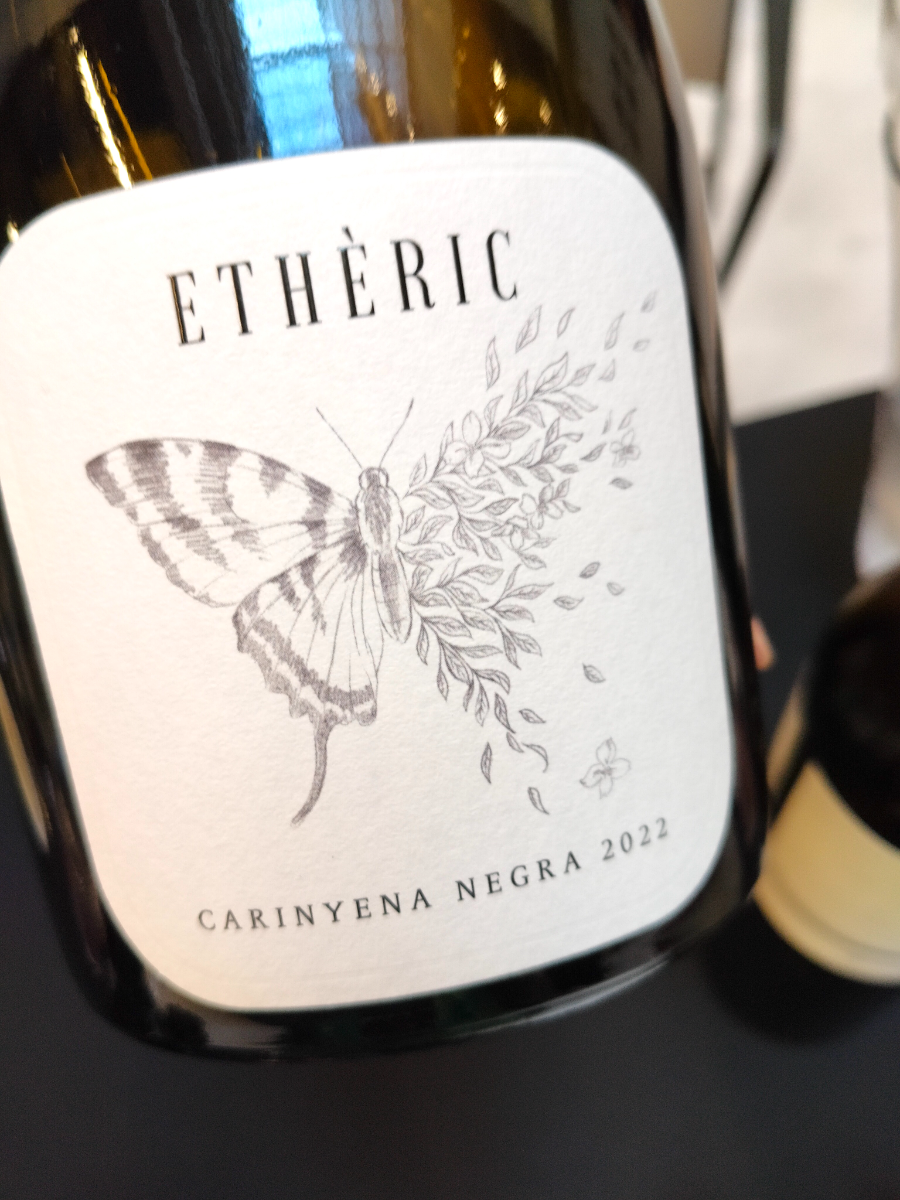
The wine is made by Carlota Pena, winemaker and second-generation owner of Vinyes d'Olivardots in Capmany (DO Empordà). It forms part of her "personal collection", a range designed to highlight both the estate's biodynamic farming practices and its close connection to the territory.
The label, featuring a butterfly, is inspired by the concept of the ethereal body, which Pena describes as the first aura surrounding both humans and plants. The wine comes from a north-facing amphitheatre-shaped vineyard planted almost a century ago by the grandfather of a local grower and surrounded by pine forest. Production is tiny, amounting to just 300 bottles.
Half of the fruit was fermented with whole bunches before the wine spent a year ageing in Austrian oak. The result is a finely judged, expressive red combining aromas of crushed fruit and violet with a long, seductive finish.

Author
Amaya Cervera
A wine journalist with almost 30 years' experience, she is the founder of the award-winning Spanish Wine Lover website. In 2023, she won the National Gastronomy Award for Gastronomic Communication

Author
Yolanda Ortiz de Arri
A journalist with over 25 years' experience in national and international media. WSET3, wine educator and translator
Previous Post