This second instalment of our historical account continues the thread of the wine tastings held to celebrate the centenary of the DOCa. The previous article closed on an isolated Spain under Franco; here we pick up with the 1959 Stabilisation Plan, which laid the groundwork for long-overdue modernisation and a gradual international reopening.
A spirit of renewal soon took hold, accompanied by technical modernisation, vineyard restructuring and expansion , and a steady rise in exports.
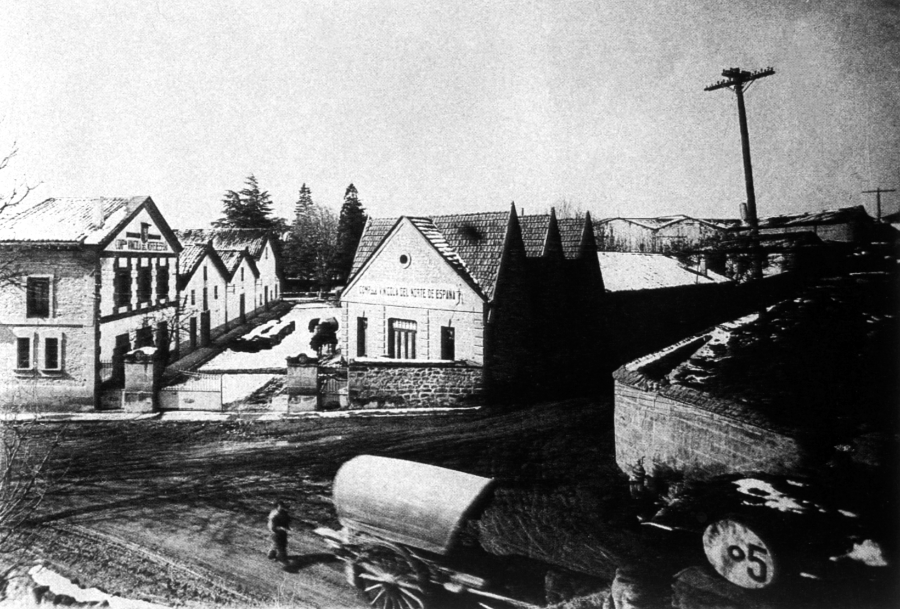
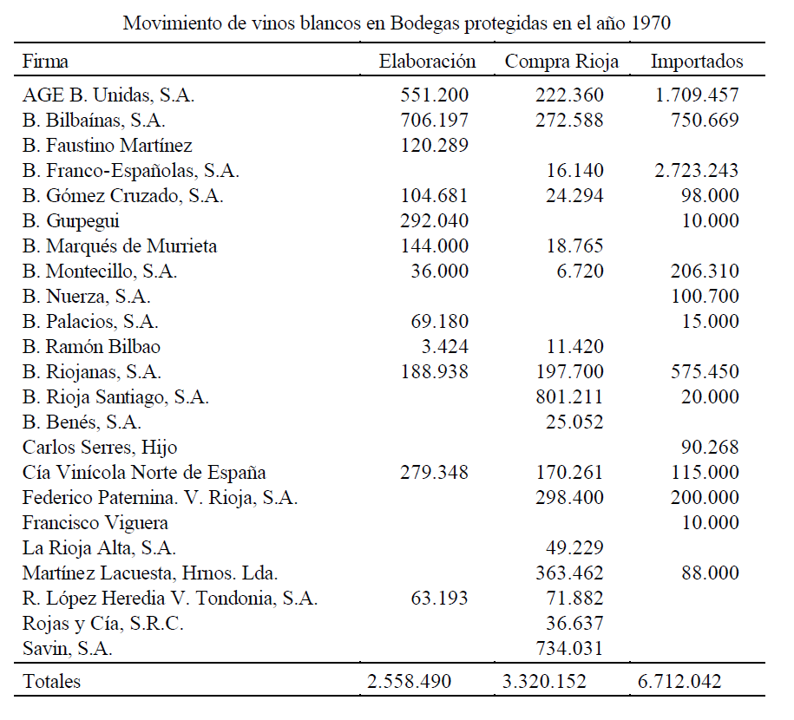
As we mentioned in our 1959 Rioja tasting piece, the introduction of stricter controls inherent to an appellation was gradual and not without friction. A shortage of white grapes, for example, led to the authorisation of 'imports', even into the 1970s, as documented in El Rioja Histórico. The figures are expressed in litres.
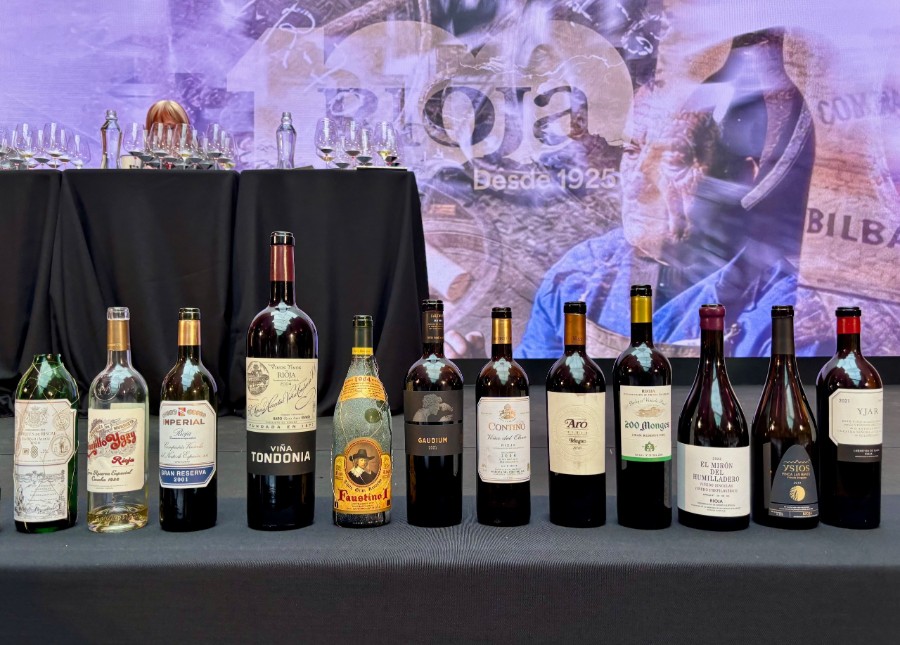
The excellent and generous 1964 vintage marked Rioja’s return to the international stage. The two red wines from that vintage served at the centenary celebrations still contained white grapes in the blend. Of the two, Monte Real (Bodegas Riojanas) was particularly memorable: complex and fresh with restrained tertiary notes and the finesse and silkiness that remain Rioja’s best calling cards. Faustino I, now a benchmark for Gran Reserva, was more developed, with leather and earthy notes, yet still retained the brand's signature lightness and subtle character.
Many bottles from the 1950s through to the 1970s found on the secondary market were, in fact, labelled decades later. In 1980, a minimum 85% vintage requirement was introduced, alongside the now-familiar ageing categories of Crianza, Reserva and Gran Reserva. This was done to comply with a 1979 ministerial order regulating quality, vintage and ageing. Prior to this, blends of different vintages were common, and the term 'Reserva' simply indicated wines that had been 'reserved or set aside'. Wines were typically classified according to time spent in the cellar prior to bottling: 2nd year, 3rd year, 4th year, 5th year or 6th year. Owing to its enduring French influence, Riscal remained a notable exception, consistently adhering to vintage-dated wines.
The 1970s: industrialisation and estate wines
Following the 1970 Wine Act, Rioja entered a decade of expansion marked by the founding of new wineries and the influx of bank capital, Basque investors, and large groups from Jerez. Industrial-scale bottling and distribution broadened access, bringing Rioja within reach of a growing middle-class consumer base.
On the qualitative front, Rioja Alavesa saw the emergence of two benchmark estates: Remelluri (1971), in a picturesque spot at the foot of Sierra de Toloño in Labastida; and Contino (1973), co-owned by Cvne and framed by a meander of the River Ebro in Laserna. This estate's grapes had previously supplied fruit for the legendary Viña Real vintages of the 1950s and 1960s.
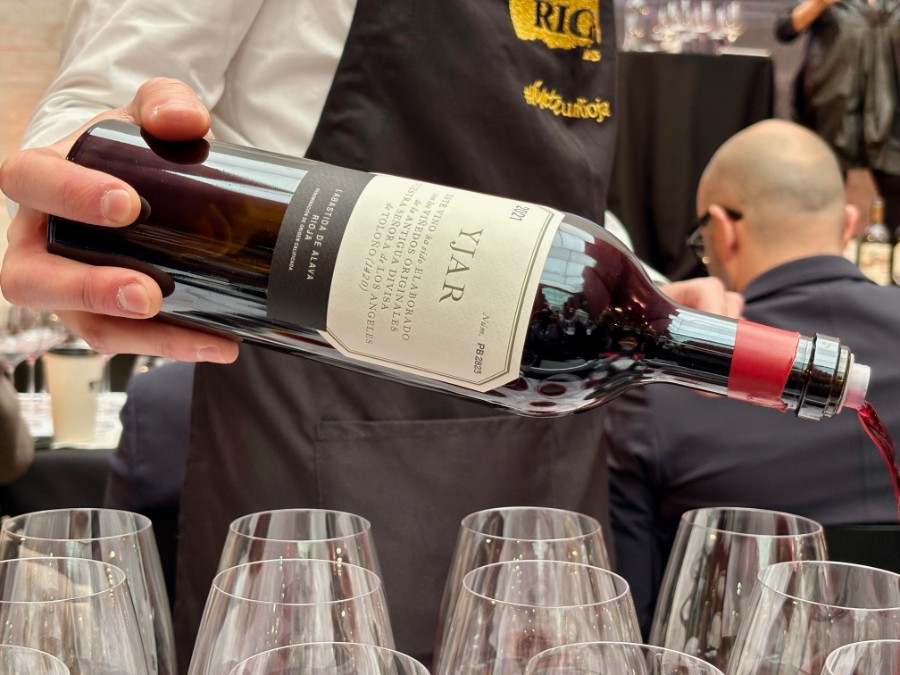
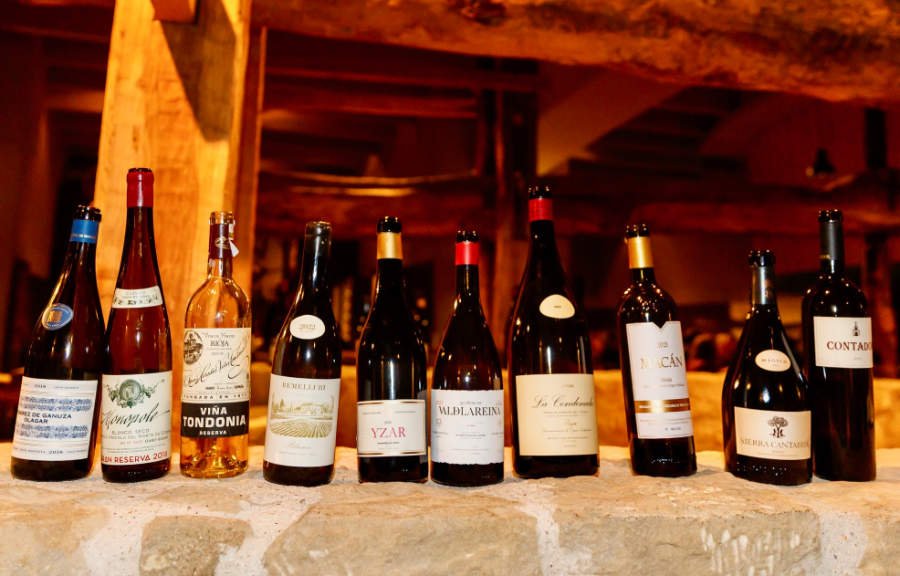
Remelluri presented two wines created by Telmo Rodríguez, illustrating different stages of the estate’s trajectory.: Remelluri Blanco, made without Viura —a bold departure— draws on varieties planted at the estate’s highest vineyards. Still quite young, the 2022 vintage displayed a Mediterranean character, with notes of aniseed, dried herbs and white fruit, alongside notable depth and elegance. Yjar, by contrast, represents the pursuit of an exceptional vineyard expression. In a nod to the French influence in Rioja, it is sold through La Place de Bordeaux since it first 2017 release. Though also very young, the 2021 vintage is exceptionally delicate yet intense with herbal notes, crisp fruit definition and stunning aromatic depth. It is simultaneously firm and light-hearted.
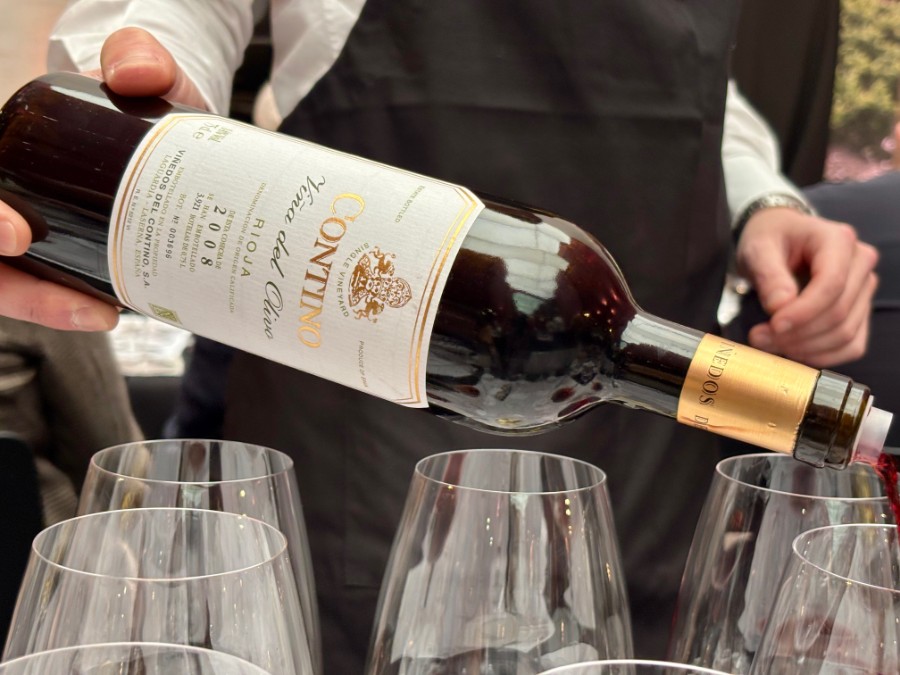
Another higlight of the historical tasting was Contino Viña del Olivo 2008. Elegant and lifted, with minty notes characteristic of Graciano, it offered complexity (spices, dry stone and coffee), balance, and surprising openness despite the cool conditions of the vintage. It is still firm and fresh, with generous fruit and an enveloping texture. It has plenty of life ahead of it, even though it is terrific right now.
In 1970, almost a century after French merchants arrived in Rioja to escape phylloxera, Enrique Forner –a native of Valencia who had emigrated to France and owned two châteaux in Bordeaux– founded Marqués de Cáceres in Cenicero, Rioja Alta. With the help of the eminent Bordeaux oenologist Émile Peynaud, Forner designed a revolutionary Tempranillo aged in French oak and made following techniques such as grape selection, cold fermentation and bottle ageing. While no early examples were tasted, we enjoyed the flagship Gaudium 2021, crafted under the guidance of the late Michel Rolland. This is a style that is likely to appeal to almost everyone: opulent, with luscious black fruit, spices and new oak. It will benefit from some bottle ageing.
Rioja ‘calificada’ and the stylistic shift of the 1990s
The generaly uneven quality of the 1970s and 1980s, albeit with some exceptions, prompted a reassessment. Producers sought to revive Rioja’s finesse while adopting contemporary winemaking techniques and a renewed focus on the vineyards. This shift coincided with the meteoric the rise of Ribera del Duero, with average prices far higher than Rioja, and the growing influence of critics such as Robert Parker. Though challenging for traditional Rioja, the period would spur investment in barrels and cellars, more rigour in terms of grape selection, and refined winemaking techniques. In 1991, Rioja became Spain’s first Denominación de Origen Calificada, effectively ending the practice of bulk wine shipping. The transition, however, was gradual, as bulk exports had dominated well into the 1970s.
The 1990s saw the emergence of so-called 'signature' or 'high-expression' wines, Juancho Asenjo has compiled this comprehensive chronology, listing the debut vintage in each case.
Marqués de Riscal Barón de Chirel 1986
Cosme Palacio 1987
Artadi Pagos Viejos 1990 (extinct)
Dominio de Conté 1990 (extinct)
Artadi Viña el Pisón 1991 (currently outside Rioja)
Sierra Cantabria San Vicente 1991
Bodegas Muga Torre Muga 1991
Luis Cañas Amaren 1991
Marqués de Murrieta Dalmau 1994
Cvne Real de Asúa 1994 ( now Real de Asúa Carromaza)
Artadi Grandes Añadas 1994
Allende Calvario and Aurus 1995
Benjamín Romeo La Cueva del Contador 1996
Sierra Cantabria Amancio 1998
Marqués de Cáceres Gaudium 1998
Bodegas Roda Cirsion 1998
Contino Viña el Olivo 1999
Benjamín Romeo Contador 1999
Sierra Cantabria El Bosque 2001
Viñedos de Páganos La Nieta 2004
Cosme Palacio 1987
Artadi Pagos Viejos 1990 (extinct)
Dominio de Conté 1990 (extinct)
Artadi Viña el Pisón 1991 (currently outside Rioja)
Sierra Cantabria San Vicente 1991
Bodegas Muga Torre Muga 1991
Luis Cañas Amaren 1991
Marqués de Murrieta Dalmau 1994
Cvne Real de Asúa 1994 ( now Real de Asúa Carromaza)
Artadi Grandes Añadas 1994
Allende Calvario and Aurus 1995
Benjamín Romeo La Cueva del Contador 1996
Sierra Cantabria Amancio 1998
Marqués de Cáceres Gaudium 1998
Bodegas Roda Cirsion 1998
Contino Viña el Olivo 1999
Benjamín Romeo Contador 1999
Sierra Cantabria El Bosque 2001
Viñedos de Páganos La Nieta 2004
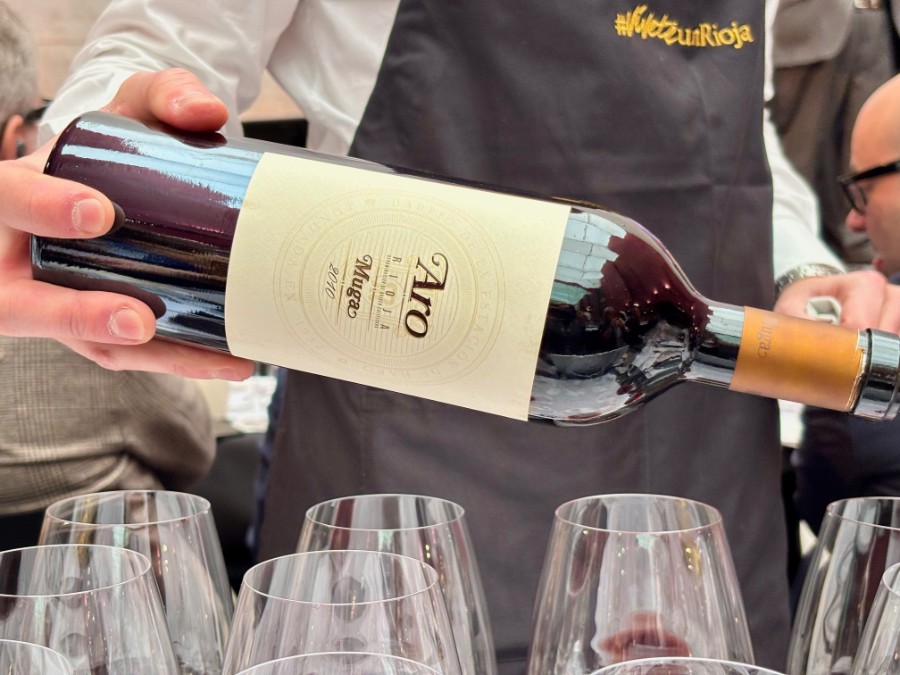
Of those listed, apart from Gaudium, the centenary tasting featured Contador 2016, a powerful, structured red with 15% abv., concentrated fruit and meaty notes. It is already expressive but far from its full potential. Other producers presented more recent releases. Viñedos Sierra Cantabria's Mágico 2021 is a single-vineyard red from El Bardallo in San Vicente de la Sonsierra, a favourite site among the village's young producers, which blends 20% Garnacha, lending extra refinement and freshness. The 2021 vintage stands as one of the estate’s best to date. Despite the high price, it is worth trying at least once. With Aro, Muga seeks to produce a wine for ageing. Grapes are sourced from estate vineyards in the cooler part of Rioja Alta, including 30% Graciano, which lends concentration and structure to a level that is rarely found in Rioja. The 2010 vintage is still remarkably youthful and it's hard to believe how little it has evolved. There is excellent, generous fruit and incredible length, but the wine seems a long way off its peak drinking window.
Contemporary trends
The historical tasting also highlighted more recent developments. The renewed prominence of white wines reflects the authorisation in 2007 of the local varieties Maturana Blanca, Tempranillo Blanco and Turruntés, alongside grapes like Chardonnay, Verdejo and Sauvignon Blanc, demonstrating a willingness to compete with more aromatic styles. From a position where ‘imports’ were once required, Rioja now boasts over 6,000 hectares of white varieties.
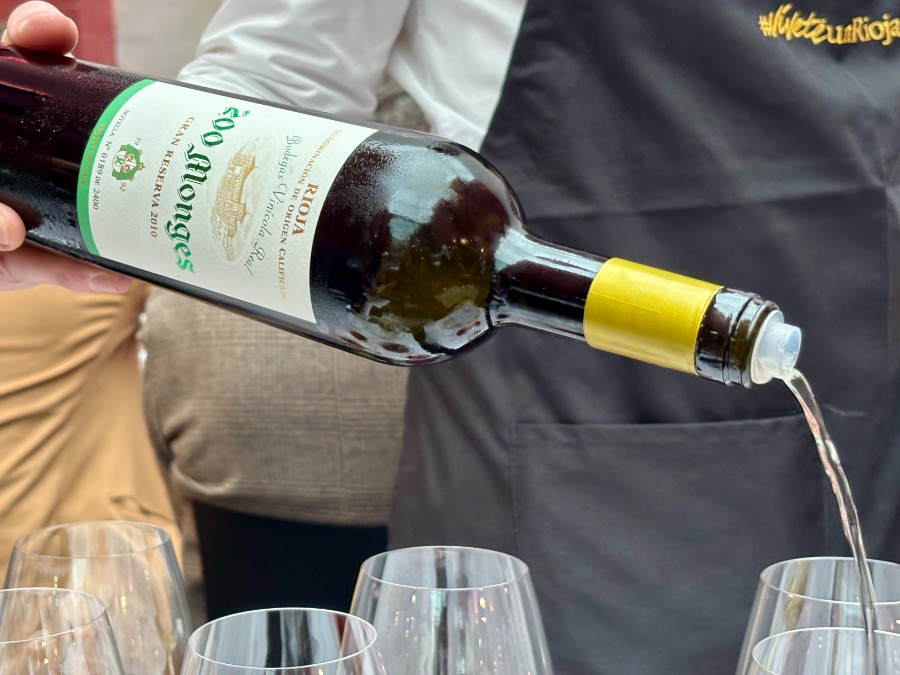
This trend was illustrated with a wine from Vinícola Real, a winery established in the 1990s but specialised in extended ageing. Its 200 Monges Gran Reserva 2010 White is a blend of Viura with a touch of Malvasía from high-elevation vineyards in the Iregua Valley –where the winery is located– and the Najerilla Valley. Traditionally aged in oak and with many years in bottle before release, it is complex (white and citrus fruit, white pepper, subtle toasted notes), creamy, yet vibrant and intensely juicy.
The Viñedo Singular category was represented by Finca Las Naves 2019 from Bodegas Ysios, crafted by winemaker Clara Canals. From an ungrafted pre-1902 vineyard in Elvillar, it is a field blend of Tempranillo,offering delicacy on the nose (red fruit, herbs) and greater depth on the palate, with mineral and earthy undertones and remarkable structure. The winery itself, designed by Santiago Calatrava, embodies another 1990s trend: striking buildings designed by world-renowned architects to drive wine tourism. Other examples include the Riscal hotel by Frank Gehry and Philippe Mézières' barrel-shaped winery for Viña Real.
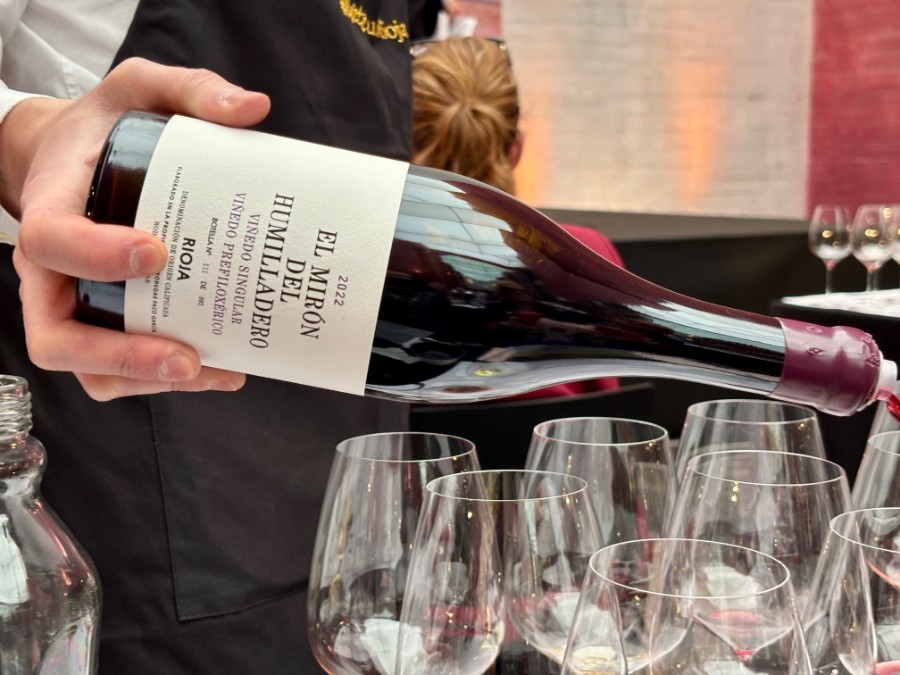
El Mirón del Humilladero 2022, from Bodegas Paco García, is the oldest Viñedo Singular in the appellation, and was planted in Murillo de Río Leza, south-east of Logroño, in 1880. This Garnacha vineyard, interspersed with cherry trees, yields an exotic wine with Mediterranean character, offering notes of pomegranate and blueberry, and a concentrated, juicy palate.
The renaissance of historic wineries is also noteworthy. As stylistic preferences have shifted towards greater finesse, producers such as R. López de Heredia have regained critical attention. The López de Heredia sisters say that Tondonia never lost its consumer base, yet its wines were largely overlooked at the beginning of the 21st century. Now, particularly the Gran Reservas, which are made only in exceptional vintages, are highly sought after.
The latest to make the leap is Martínez Lacuesta, which was founded in Haro in 1895. Although it lost the charm of its underground cellars when it moved to a modern, spacious location on the outskirts, the company has preserved traditional practices —ageing wine in American oak barrels, manual racking— and a style defined by moderate structure and the fresh character of Rioja Alta. The revival of its Garnacha-based Campeador range, presented in Burgundy-shaped bottles, has been a real success. For the centenary, however, the focus was on the new La Centenaria 2022, a red made to commemorate the winery's 130th anniversary. This field blend from a vineyard planted in Haro in 1921 is fragrant, with generous red fruit, and a savoury, deep, mineral, almost iron-like character. It is presented in a Burgundy-style bottle and covered with the mesh traditionally used to prevent counterfeiting.
It is hard to imagine greater diversity. These days, few major wine groups lack a foothold in Rioja. Vega Sicilia established itself in the region in 2009 with a joint venture with Baron Benjamin de Rothschild's family. Their approach and choice of grapes have evolved towards finer textures, greater freshness through co-fermenting Tempranillo with other varieties, and reduced oak influence. Macán 2021 exemplifies this direction, at least in an exceptional vintage: it is a firm, enveloping red with outstanding fruit, although it is still very young.
Sparkling wines were absent from the main tastings of the centenary, despite their historical precedent. Bodegas Bilbaínas recently revived its Lumen label, first registered for sparkling wines as early as 1916. Even earlier, General Baldomero Espartero received a silver medal for a sparkling Malvasia at the 1857 Agricultural Exhibition in Madrid.
The gala dinner concluded with a sweet wine: Dulce de Invierno 4 Varietales 2021 from Bodegas Vivanco. It comes from a very late harvest (grapes were picked in January) of Garnacha and Mazuelo grapes, with smaller proportions of Tempranillo and Graciano. Aged in oak barrels, the wine prioritises delicacy over richness, showcasing abundant red fruits and a harmonious balance between sweetness and acidity.
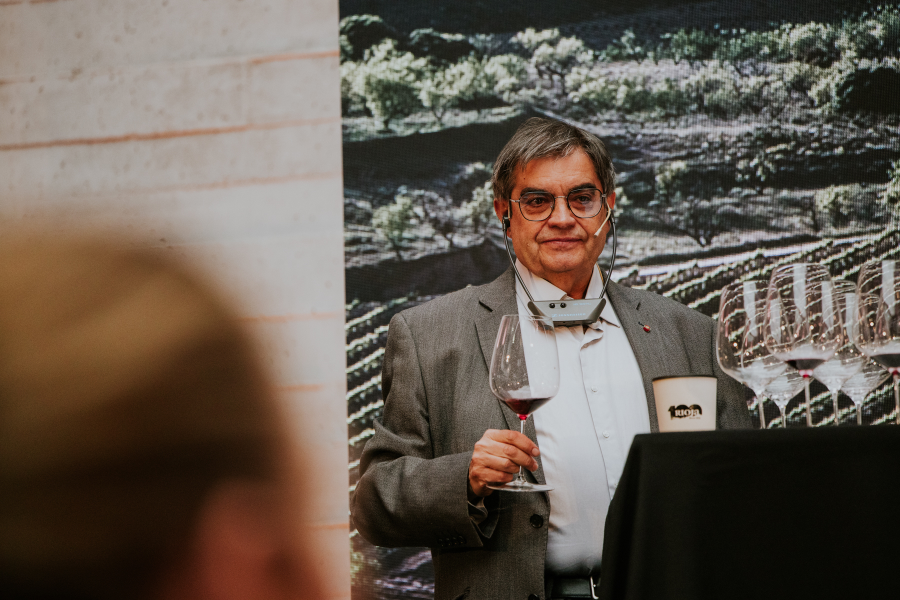
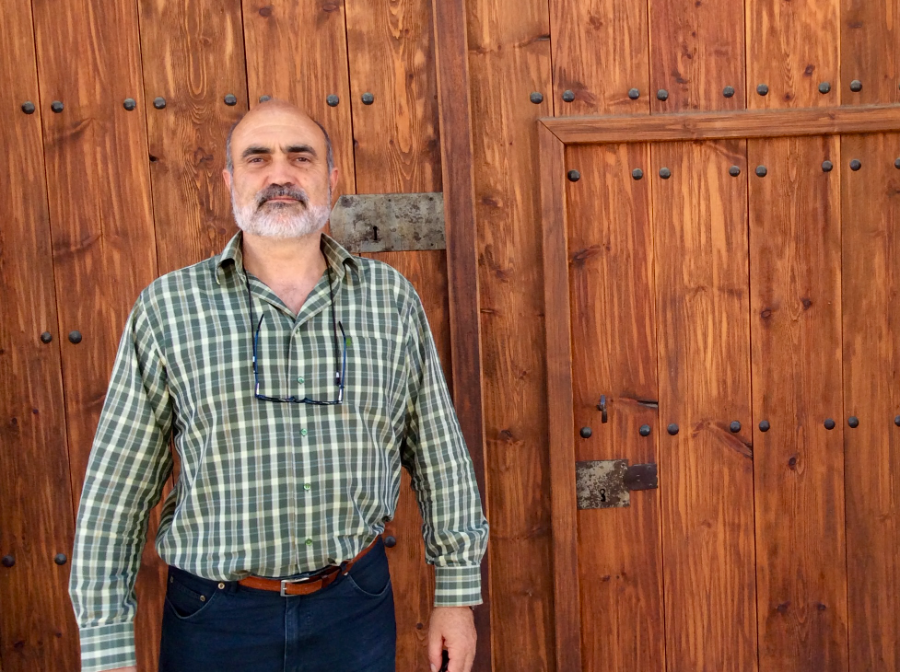
This article is based on a presentation by Juancho Asenjo (pictured above) for the centenary tastings, the book El Rioja Histórico, and information compiled over the years by Spanish Wine Lover.

Author
Amaya Cervera
A wine journalist with almost 30 years' experience, she is the founder of the award-winning Spanish Wine Lover website. In 2023, she won the National Gastronomy Award for Gastronomic Communication