In contrast to the fairly homogeneous style that helped build Ribera del Duero's international reputation in the 1980s and 1990s, the last decade has seen far greater diversity both in terms of wine styles and producer profiles.
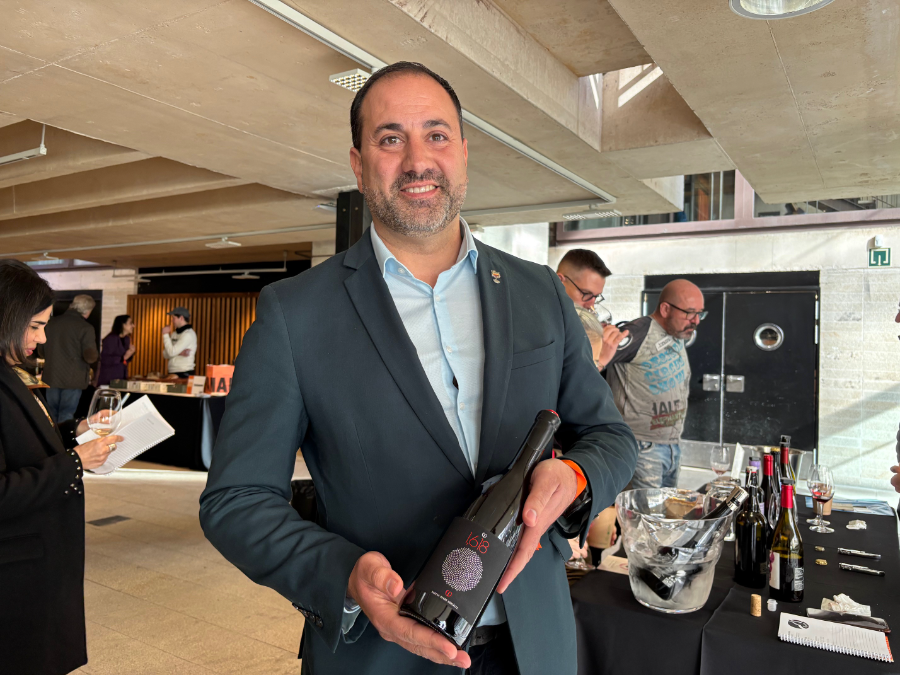
Small-scale vigneron projects, often supported by just a few hectares of vines, are becoming increasingly common in the region. One example is the project championed by Víctor Negro González at Bodegas Negón (Fuentecén, Burgos).
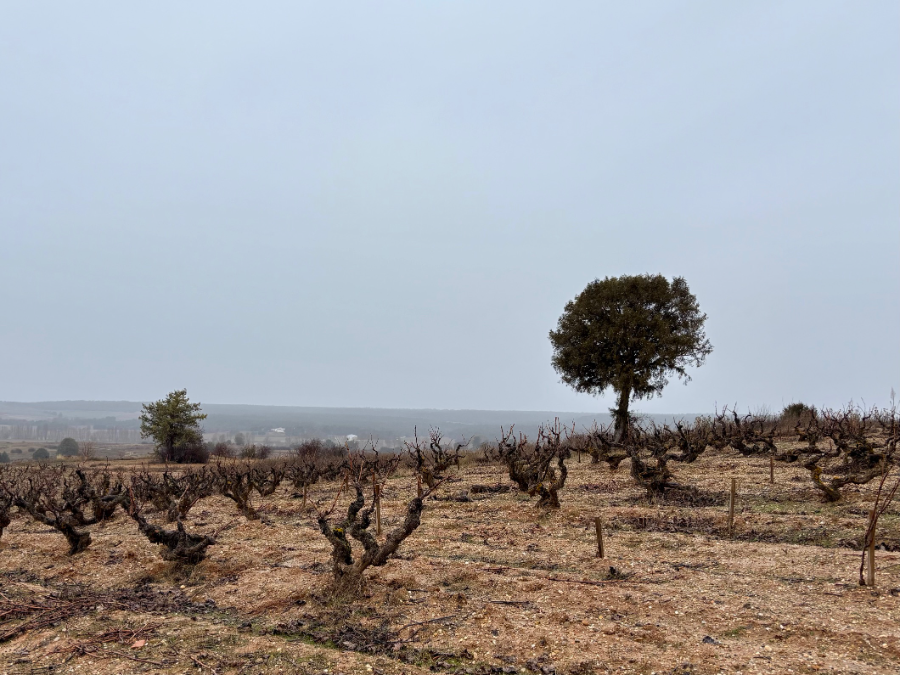
Having grown up watching his father produce Ribera's traditional claretes, this agronomist launched his own wine project in 2012. Today, he farms five hectares of vines in the Riaza River Valley, a tributary of the Duero. With the exception of one plot located just 30 metres from the riverbank, the vineyards lie on a small alluvial plateau with pebbles over a clay layer with limestone beneath.
Most of these vineyards are old, complemented by a few plots planted from massal selections. Negro González highlights a high-quality Tempranillo clone with small berries and naturally low yields, whose traits have been preserved in younger plantings. The entire vineyard is organically certified and biodynamic and regenerative viticulture practices are employed. Víctor brought a cow horn and several sensitive crystallisations to the Vinos Radicales walkabout tasting in Madrid, where we had the chance to learn about the project.
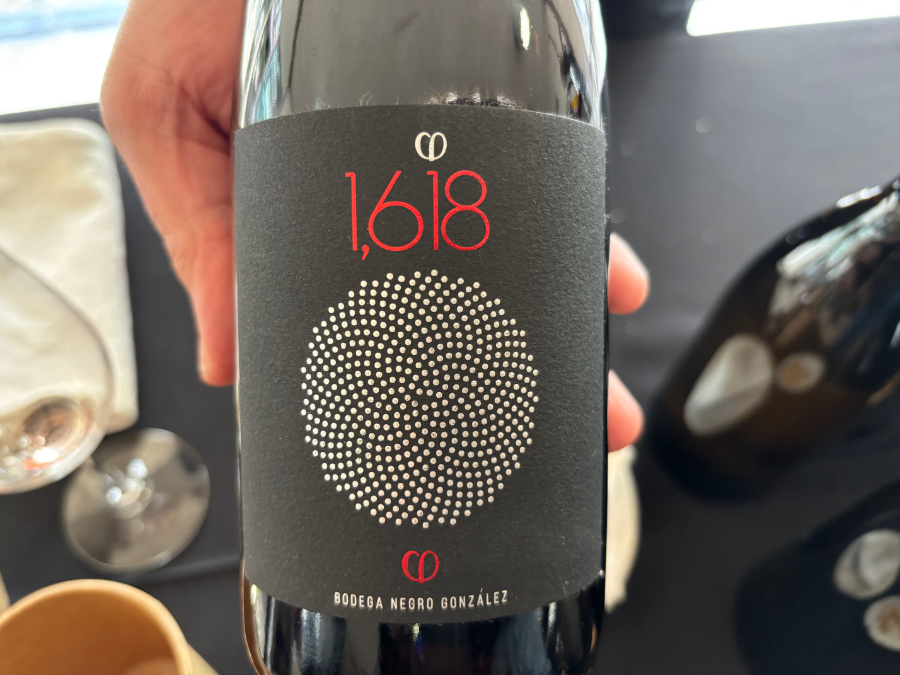
Depending on the vintage, the winery produces between 8,000 and 15,000 bottles each year. The red wines are bottled under the DO Ribera del Duero seal, while the white and rosé (clarete) are released with no geographical indication. The latter, which is particularly intriguing an it has been named after the golden ratio, is our wine of the week.
As was customary in the past, the wine is a field blend, resulting from the co-fermentation of red and white grapes. Alongside Tempranillo, there is a significant presence of Macabeo, Bobal, Albillo and Garnacha. Following spontaneous fermentation in oak, the wine is aged on its lees in French oak barrels for around 38 months — well beyond the minimum ageing requirement for a Gran Reserva.
Despite this extended ageing, the wine remains surprisingly floral and gentle. Its defining feature is its silky, fluid texture, which makes it both very appealing and seductive, and serves as a reminder that some things can only be achieved with time. A comforting warmth adds to its charm, making it an excellent match for hearty dishes. It's no surprise that some of Bodegas Negón's best customers are Michelin-starred restaurants.
14% abv.
1.923 bottles
€23
Score: 93

Author
Amaya Cervera
A wine journalist with almost 30 years' experience, she is the founder of the award-winning Spanish Wine Lover website. In 2023, she won the National Gastronomy Award for Gastronomic Communication
Previous Post