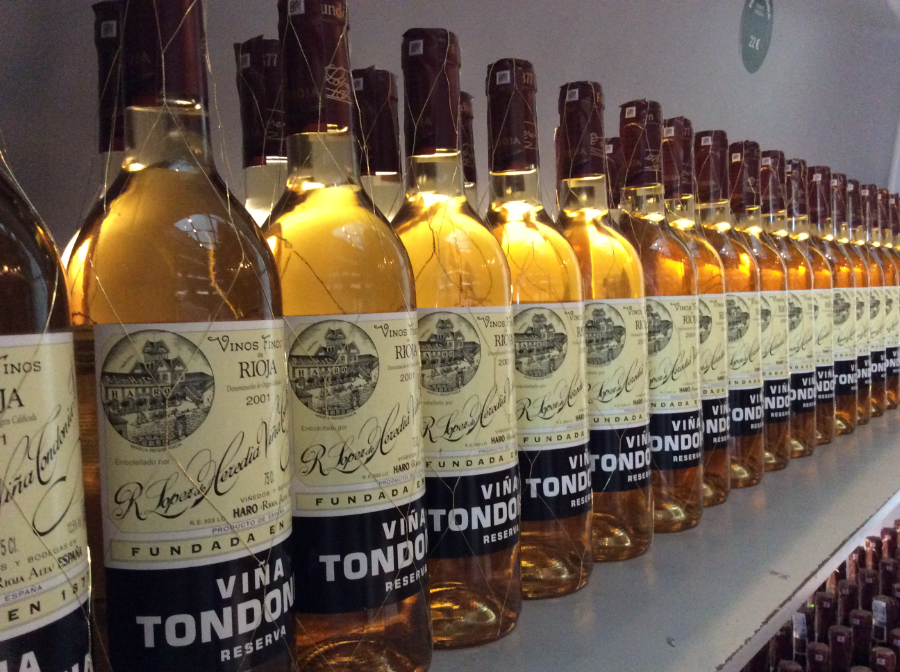
This vertical tasting of white Tondonia was published in La Revista Todovino magazine in 2007, before the renaissance of historic, extended-ageing Riojas that would unfold in the years that followed. While writing the review of our featured wine of the week, Viña Tondonia Gran Reserva 2004, I came across this article and felt it would be worth republishing exactly as it appeared at the time. It also serves as a snapshot of my writing style back then. For example, I use the term “noble” several times to describe certain wines, a choice some readers may now consider rather corny.
In 2007, the wine industry was just beginning to embrace the internet. Todovino, where I worked as features editor between 2004 and 2013, was one of the first Spanish companies to sell wine online. At that point, Robert Parker remained a highly influential figure in the world of wine, although he no longer tasted Spanish wines himself, having delegated that responsibility to Jay S. Miller. The tasting was also attended by Tim Atkin —long before he began publishing his reports on Spanish regions— and by Tom Perry, who was then the manager of Rioja's Wine Growers and Exporters Group.
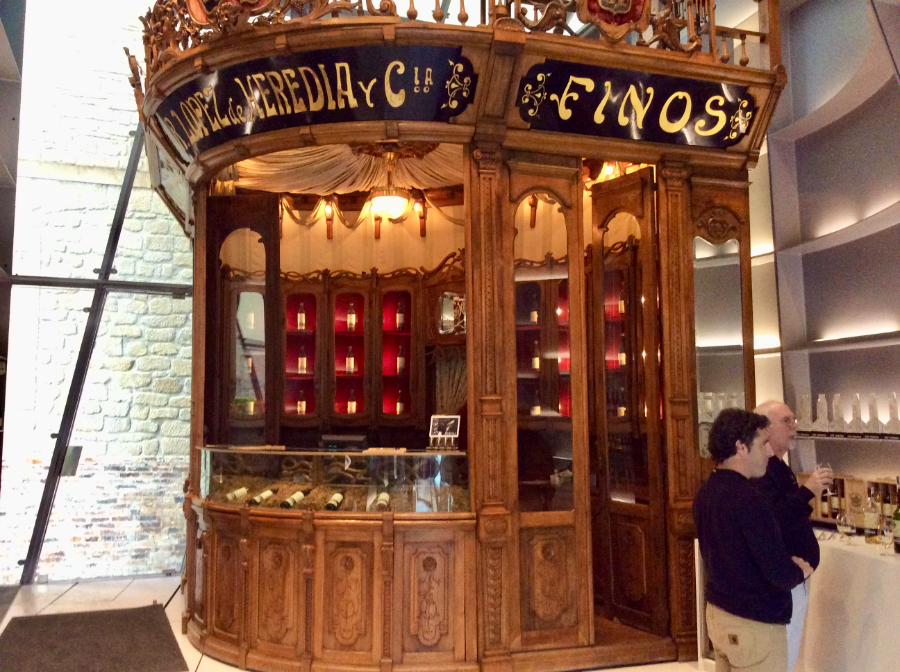
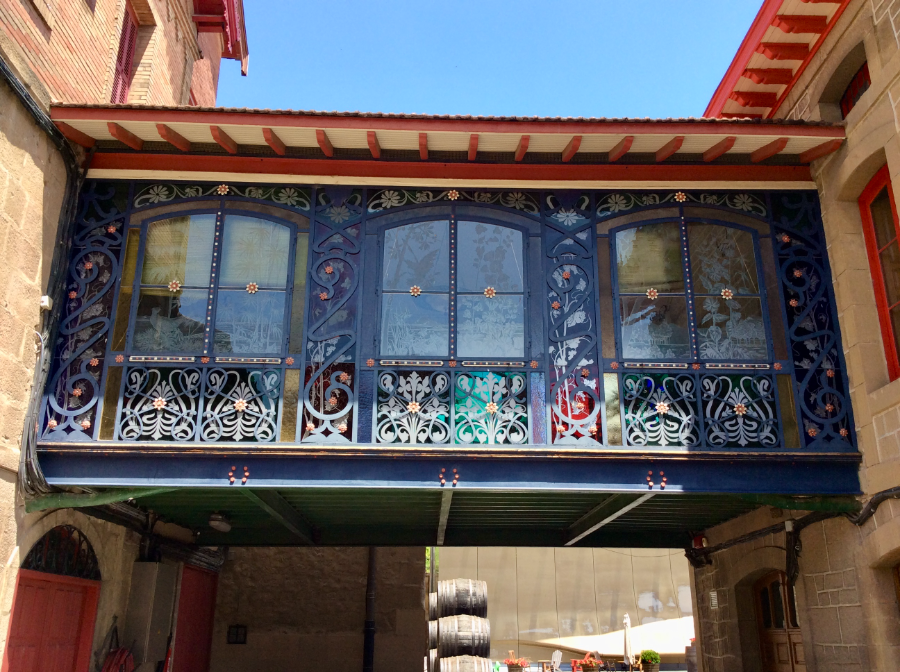
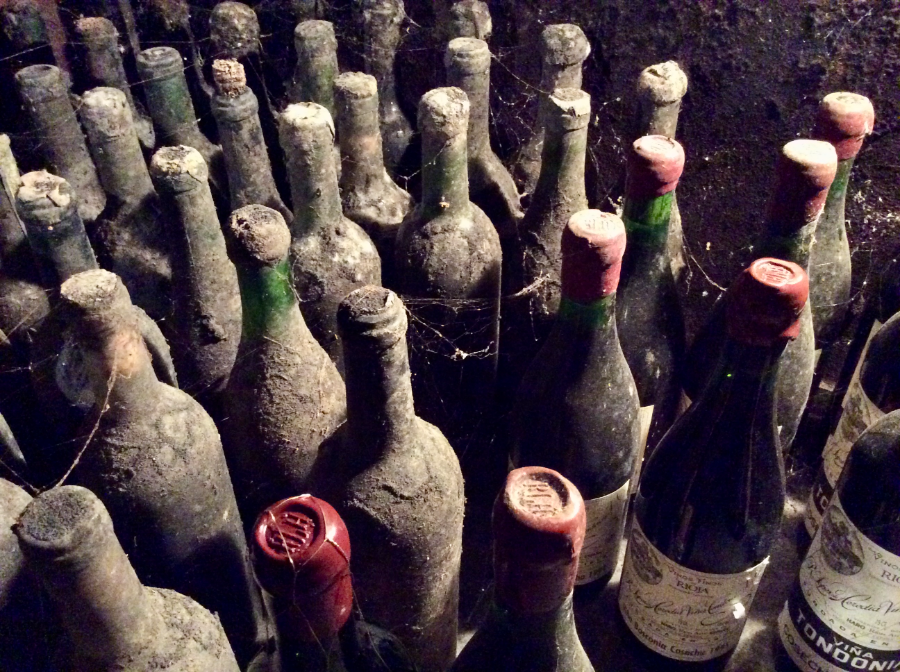
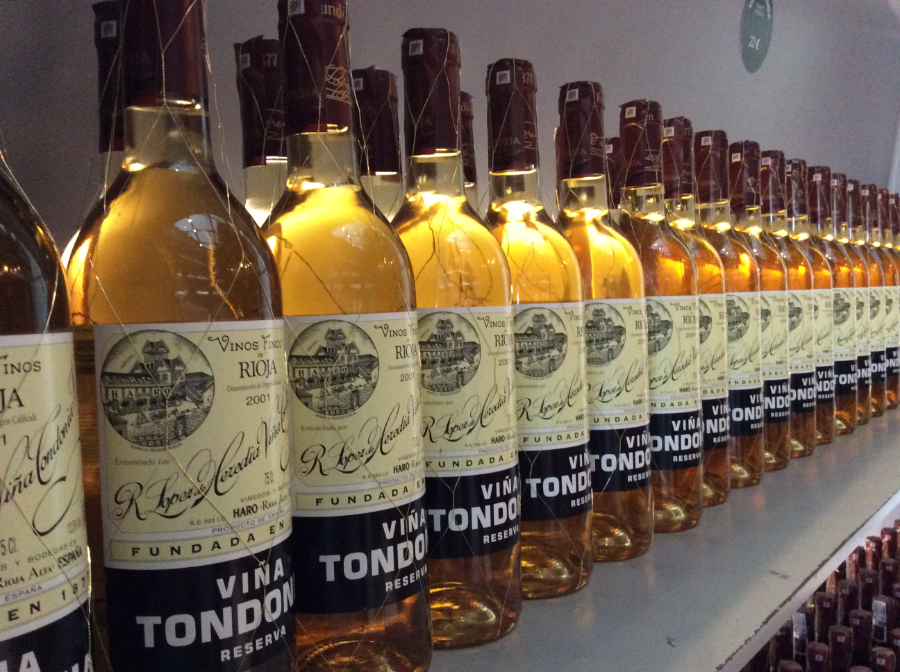
Unfortunately, I don't have any photos of the tasting as I didn't yet have a smartphone, so I've illustrated the article with images from our archive. As readers will see in the original text below, I share my general impressions of each wine without assigning scores.
Rioja is Spain's iconic producer of long-lived red wines. But did you know that it also produces white wines capable of ageing beautifully over time? Our vertical tasting of old white Viña Tondonia wines with the López de Heredia family allowed us to rediscover a historic style that is now rarely found —and one that ages like no other.
I must admit that I was particularly captivated by the 1968 vintage. Not only because it is the year I was born, but also because of its extraordinary balance and complexity. These small treasures offer a window into a crucial chapter in Spain's winemaking history.
There is no denying that Rioja has changed considerably over the last 30 years. The shift towards fruit-driven, structured wines has, however, tended to overshadow the region’s long-established style of extended ageing Riojas.
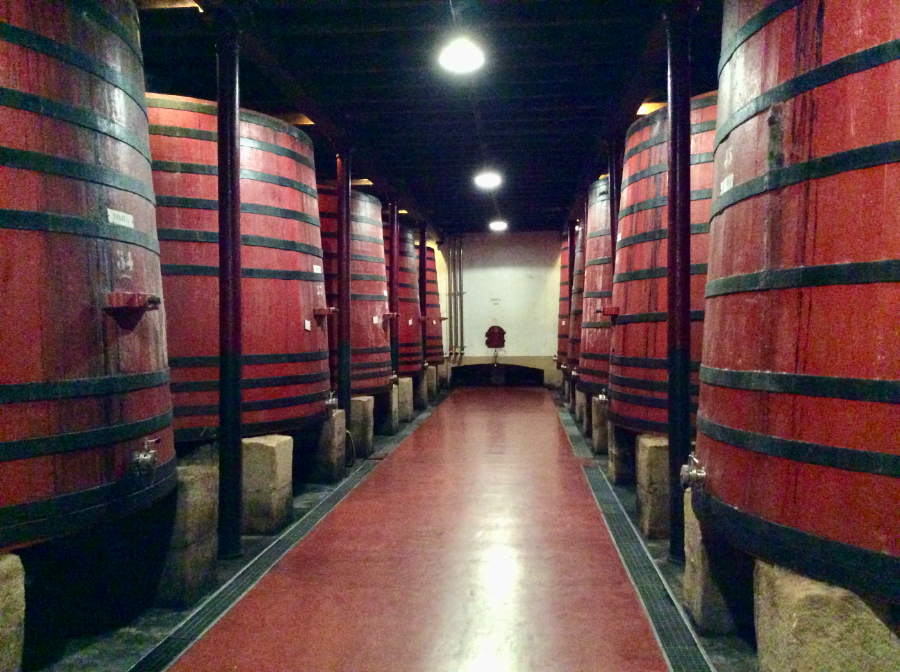
By remaining steadfast in its convictions, R. López de Heredia Viña Tondonia winery has become what Wine Spectator famously described as a “glorious anachronism”. In wine terms, there is not the slightest nod to modernity. Guided by deep-rooted belief and family will, —now supported by the young and enthusiastic fourth generation— the Tondonias and Bosconias continue to be made in the traditional way. This philosophy extends to the Gran Reserva whites, which, like the reds, are intended to be enjoyed 20, 30 or even more than 40 years after the harvest.
“I don't know why we have to justify making these wines,” says María José López de Heredia emphatically. “We make them because we like them and because we want to.” In the background, her sister Mercedes adds, "We are the last of the Mohicans."
There is general laughter, yet the comment is not far from the truth. The wines are still made from estate-grown grapes, fermented with native yeasts and aged in old American oak barrels that are carefully repaired and refurbished. They are fined with egg whites and bottled unfiltered. Paradoxically, apart from the long ageing times, the process itself sounds remarkably modern.
Since Marqués de Murrieta shortened the ageing of its Dorado, very few Rioja producers have remained faithful to this style. No other winery can boast a collection of white wines to rival that of this century-old bodega in Haro's Barrio de la Estación. Most of the vintages we tasted are available in limited quantities, with prices ranging from €40 to €200 per bottle.
The making of the wines
Before tasting a white Tondonia that is 25 years old or more,it is advisable to “change your mindset” to fully appreciate it as these wines are very little known. “We have to start by teaching people the most basic information: that white wines can age,” María José López de Heredia explains.
What lies behind the remarkable longevity of white Tondonia? First, a region ideally suited to producing high-quality wines like Rioja. Second, a grape variety —Viura, plus a small amount of Malvasía— which, while although not specially noble in itself, responds well to oak ageing and the subsequent reductive ageing in bottle. At the beginning of the 20th century, Malvasía was the most widely planted white variety in Rioja, but its susceptibility to oxidation led to its gradual replacement by Viura, which is better suited to producing fine white wines capable of ageing.
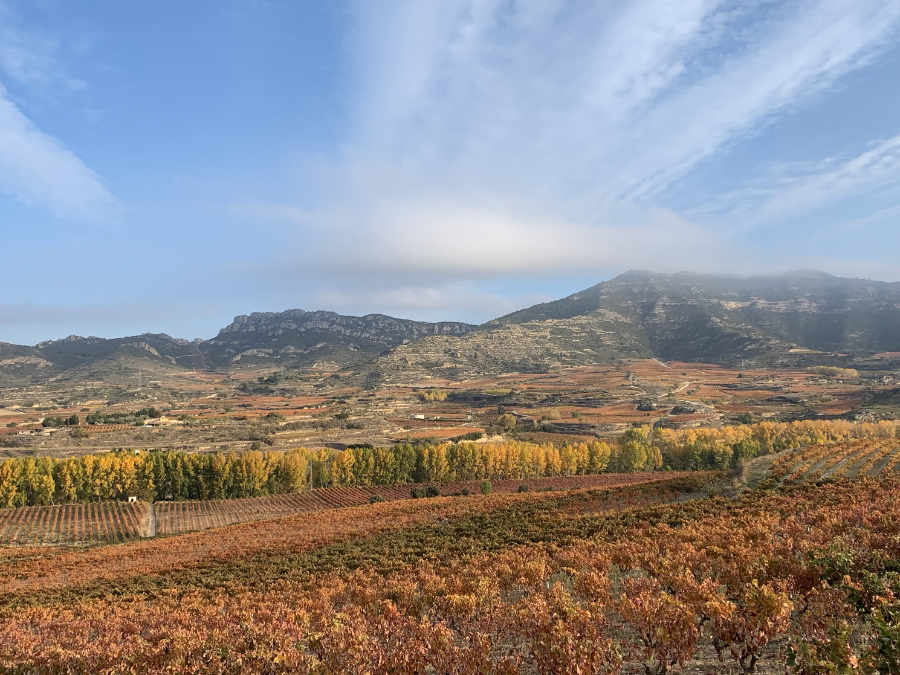
The López de Heredia family harvests Viura relatively early to preserve high levels of acidity, which is another key factor in the wine's longevity. They rely solely on natural acidity, which lends the wines a remarkable freshness that endures over time.
Like red wines, but unlike some white Burgundies and most Champagnes intended for ageing, Viña Tondonia whites undergo malolactic fermentation in barrel. According to Mercedes López de Heredia, this process "adds complexity by developing bakery aromas while retaining acidity."
However, the most important stage is the slow micro-oxygenation that occurs in the barrels over a period of six, seven, eight or even ten years. This is achieved by using a combination of old and younger oak barrels. American oak is preferred because its tighter grain slows the process. Throughout this time, the wine may be racked —transferred from one barrel to another— between15 and 18 times.
While ageing in oak, the wine is exposed to small amounts of oxygen. Once bottled, the oxidative phase gives way to a reductive one, during which the wine continues to evolve and gain complexity over time.
What's the lifespan of a great wine?
Predicting how a wine will evolve over time is never easy. Its development can be visualised as an upward curve, as the wine gains complexity and undergoes surprising transformations. The length of this phase varies according to the wine's potential, but the tasting notes at the end of this article show that it can extend over decades.
Wines can also appear to be frozen in time, remaining at a particular stage for years. A clear example was the deeply coloured, remarkably structured 1947 red Bosconia that we enjoyed after the tasting.
Eventually —and the only way to know when is to open the bottle— the curve turns downward and the wine enters a phase of decline, gradually falling apart.
Only a very small number of wines are capable of such extended ageing;it is a privilege reserved for the very finest. Once a reaches the consumer, however, its future depends entirely on how it is stored and looked after.
"One of the reasons these wines are disappearing is that they need proper storage," says María José López de Heredia, referring to the need of stable temperature and humidity. "The problem is that most of our wines were drunk in an oxidised state," she insists. She has often been disappointed to find Tondonias in some restaurants that bore little resemblance to what the wines should be.
Against this backdrop, the freshness and vitality of some of the white wines we tasted were striking and fascinating. My favourites were the 1981, with its youthful energy, and the 1968, which showed perfect balance and complexity. At a time dominated by richness and opulence, the bone-dry character of the Tondonias and their lively acidity revived the idea of wines designed to be drunk.
What do white Tondonias taste like?
While there was considerable variation between vintages, the complexity and originality of these wines stood out. The fresher examples displayed attractive green notes (herbs, green olive and lime), while the riper vintages showed notes of dried banana and quince, as well as pleasant honeyed nuances.
Contrary to expectation, oak did not play a dominant role. It appeared mainly through subtle toasted notes, such as coffee and cream, and rarely imparted astringency or dryness on the finish.
Acidity is key to achieving liveliness, sharpening flavours, and underpinning an exceptionally long finish.
My preferred vintages were those that combined complexity and liveliness rather than more advanced development. Nevertheless, all of them were thoroughly enjoyable as mature wines. These are wines to be savoured slowly, much like old white Burgundy or the finest German whites.
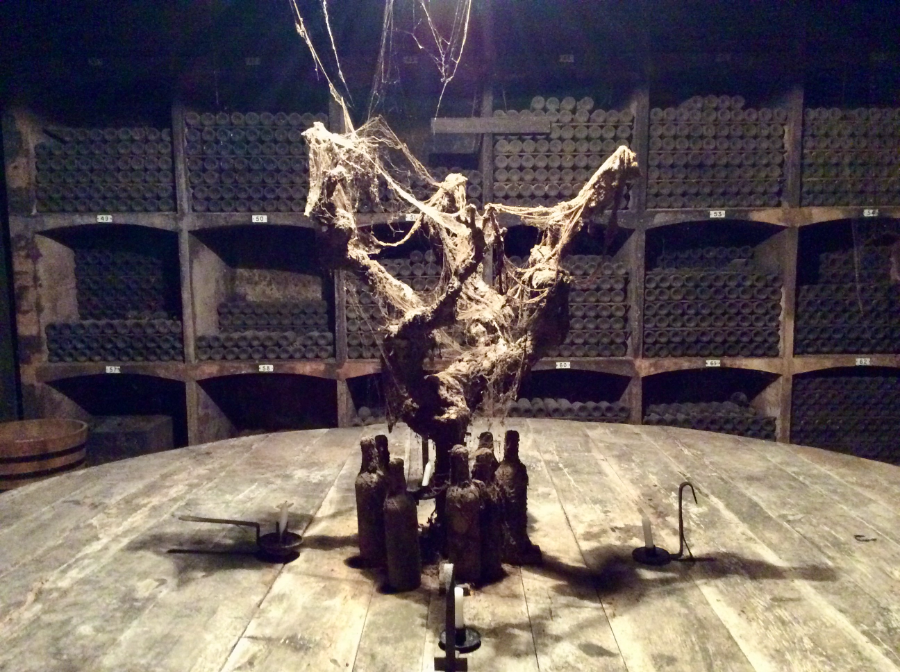
The tasting took place in the winery's most contemporary area: an unfinished space designed by Iraqi architect Zaha Hadid. Its pure, modern lines stand in contrast with the traditional wines produced here. This is the sole concession to modernity at R. López de Heredia. Below, amid the labyrinth of cellars, everything remains unchanged: darkened barrels and an old bottle library draped in cobwebs. It is a sight found nowhere else. Everything at Viña Tondonia is different, including the charming López de Heredia family.
Tasting notes
Viña Tondonia Gran Reserva 1981 White
85% Viura, 15% Malvasía
6 years in barrel
12% abv.
Bright golden colour with a faint greenish hue. The wine displays intense aromas of green olive, petrol and pistachio.Complex and fresh, the nose evolves towards herbal notes. Fresh, lively acidity on the palate with a subtle hint of oak and lingering notes of green olive and lime over a long finish.
Impressions: A superb expression, very much alive and kicking at 25 years of age
Viña Tondonia Gran Reserva 1976 White
85% Viura, 15% Malvasía
Nearly 10 years in barrel
12% abv.
Deep golden colour. The nose shows ripe aromas of honey and quince with more evident oak influence and dairy notes than in other vintages. Glyceric and fluid on the palate, it is lifted by the estate's distinctive citrus acidity, leading to a toasted and nutty finish.
Impressions: More evolved than the 1981, perhaps closer to expectations for a white wine from the 1970s
Viña Tondonia Gran Reserva 1973 White
85% Viura, 15% Malvasía
8 years in barrel
12% abv
Golden colour with a greenish hue. Clean nose combining petrol notes with green olive and old furniture aromas over a citrus backdrop. Fresh and juicy, with toasted nuances and a citrus character on the finish.
Impressions: Lovely balance and impressive consistency; the wine seems almost frozen in time
Viña Tondonia Gran Reserva 1970 White
85% Viura, 15% Malvasía
8 years in barrel
12% abv.
Deep golden colour with a greenish hue. Intense, lively and fine nose with oily notes and hints of green olive. This wine has a pleasant, enveloping texture, leading to a dry finish. Although it shows slightly less acidity than other vintages, it nevertheless retains a lively character.
Impressions: A superbly balanced wine with the potential to last and last
Viña Tondonia Gran Reserva 1961 White
85% Viura, 15% Malvasía and Garnacha Blanca
9 years in barrel
12% abv
Deep golden colour. The nose is finely evolved, with hints of honey, quince jelly, dried apricot and truffle. Full-bodied and rich, the wine offers an enveloping texture, though it is less expressive and lacks the freshness of other vintages.
Impressions: The rich palate reminds of Chardonnay
Viña Tondonia Gran Reserva 1964 White
85% Viura, 15% Malvasía
9 years in barrel
12% abv
Deep bright golden colour. A fragrant nose with pleasant toasted notes and hints of herbal infusions. Smooth on the palate with nutty flavours and lively acidity that bring brightness and clean flavours. Citrus notes on the finish.
Impressions: Another wine that appears frozen in time
Viña Tondonia Gran Reserva 1968 White
85% Viura, 15% Malvasía
10 years in barrel
12% abv
Golden colour with a greenish hue. Superb, expressive nose, with notes of petrol, quince and toasted aromas. The wine has a wonderful, dry mouthfeel and really fills the palate. Balanced and lively, it finishes with aromatic herbs and citrus notes.
Impressions: My favourite wine. It is astonishing that a 38-year-old wine can deliver such levels of complexity and freshness
Viña Tondonia Gran Reserva 1957 White
85% Viura, 15% Malvasía
8 years in barrel
12% abv
Amber colour. This had the most developed nose of the tasting, with liqueur-like fruit, pastry and honeyed notes over an herbal infusion background. Toasted and brandied flavours dominated the palate, with some remaining acidity and touches of green olive on the finish.
Impressions: Evolved and with the character of an old wine

Author
Amaya Cervera
A wine journalist with almost 30 years' experience, she is the founder of the award-winning Spanish Wine Lover website. In 2023, she won the National Gastronomy Award for Gastronomic Communication
Previous Post
Next Post
Closing time: iNNoble bows out for good