As in many other mature markets, UK wine statistics make for depressing reading. The WSTA Market Report to September 2025 shows shoppers are buying less wine overall, although they are paying more for it -mainly the result of inflation and tax increases. Spain has not escaped the downturn: sales volumes are down 9% while value has slipped by 5%. At the same time, younger consumers are less engaged with the category, with drinkers over 54 accounting for half of the UK wine market (Vinitrac October 2024).
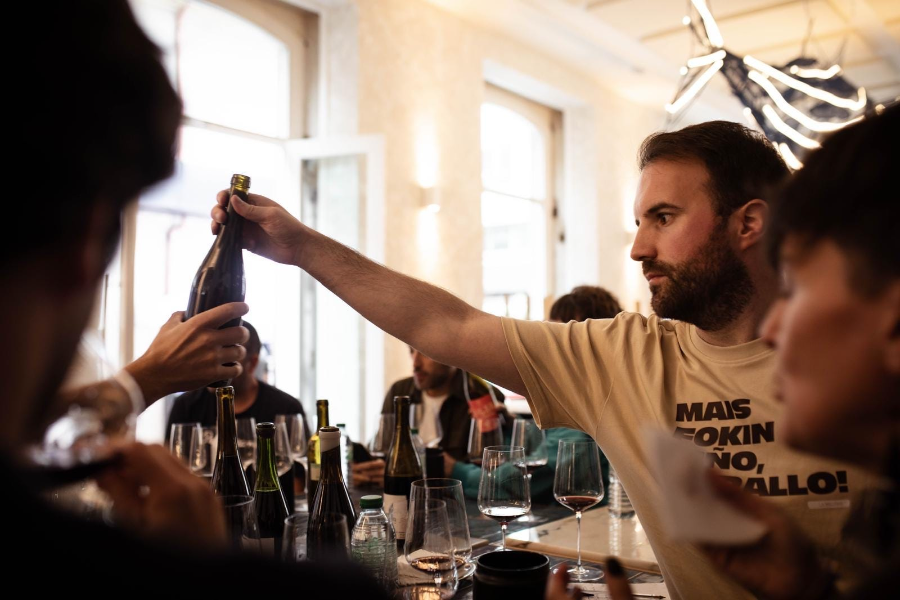
And yet, the mood on the ground tells a different story. When you speak to consumers in their 30s, and their counterparts working in the premium segments of the on- and off-trade, there is a growing awareness and a palpable enthusiasm for Spanish wine. To explore where this renewed interest is coming from, we spoke to young wine professionals working across the UK’s retail and hospitality sectors. All belong to the millennial cohort and all act, in different ways, as ambassadors for Spain’s increasingly diverse wine landscape. Their excitement turned out to be infectious and quietly optimistic.
While all agreed that Rioja is still the Spanish region that most consumers seek out, almost everyone mentioned the Canary Islands and praised many of Spain's lesser-known regions capturing the imagination of the trade.
Holly Willcocks, Sommelier, Mountain
Holly Willcocks is the sommelier at Mountain in Soho, winner of the Best Spanish Wine List in the UK at the Star Wine List of the Year UK awards 2025. The restaurant's cuisine is inspired by the mar y montaña cooking of Mallorca, and the list that she put together with Martina Lanarch, head of wine for the group that also includes the Basque-inspired Brat, reflects that geographical contrast: "I love wines that are grown by the coast, so defined by their salinity, as well as wines with a little bit of altitude for increased acidity and brightness," she explains.
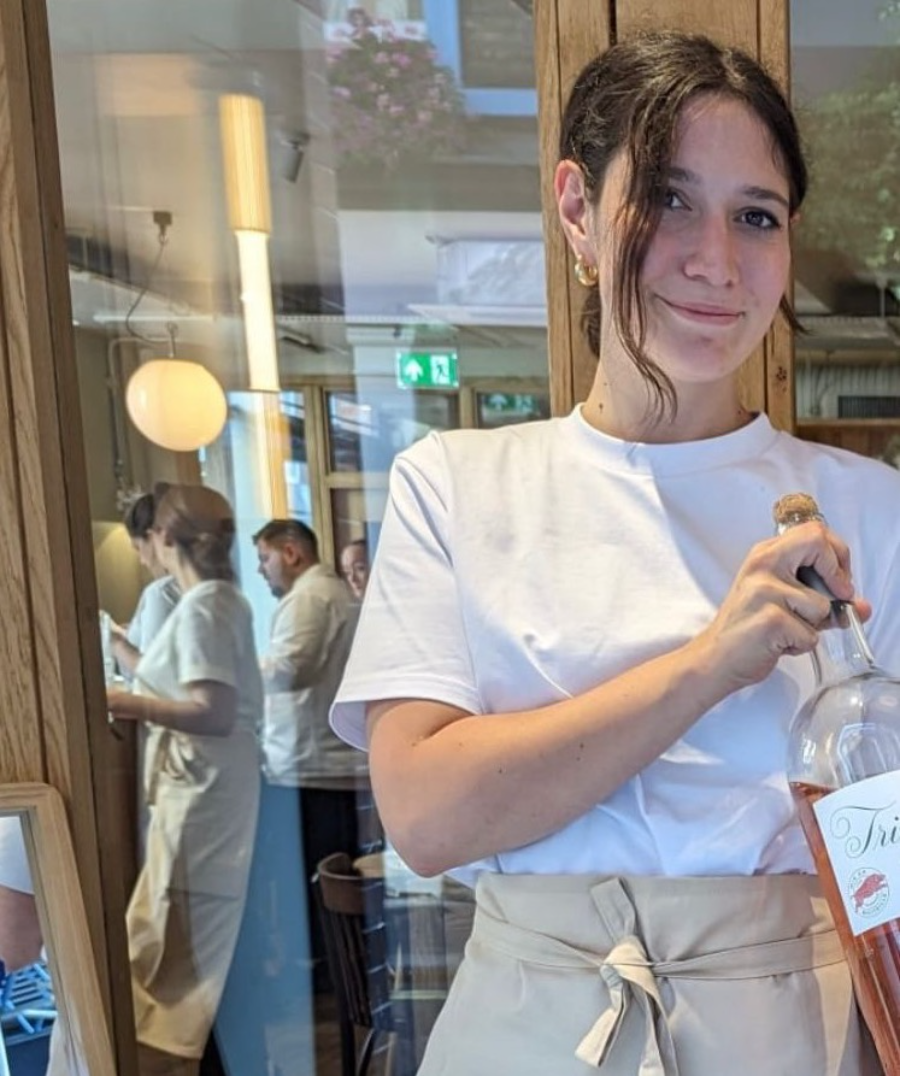
For Holly, Tenerife encapsulates this dynamic. "Tenerife really balances that mar y montaña concept —the mountains and the sea are in very close proximity. I've fallen in love with it. Jonatan García at Suertes del Marqués is doing some exciting work there, and having fun with the soils, which given their volcanic nature need a careful sensitivity. It's a difficult climate, and Envínate in particular have some parcels in such hard-to-reach places. Everything has to be worked by hand. It's a beautiful, rugged place and you can feel that passion in the wines."
Mallorca is another island she finds exciting. "It is also a lot of fun, with a lot of young winemakers doing cooler projects, more on the natural wine side."
Holly declares herself a fan of Bierzo, highlighting its parcel-driven, Burgundian focus as driving interest. But she explains that it's not a place that her clients are really familiar with. "Whereas some guests are aware of Tenerife and associate it with volcanic wines, I feel that Bierzo is a bit of a secret. It's not like I have customers come in and ask me for a Mencía or a Godello."
Albariño, however, remains a reliable draw. "It gets a lot of requests from customers and there are a lot of exciting projects out there. We list wines from Bodegas Fulcro and Zárate, who are really exploring what Albariño can be, with projects like barrel-ageing and the use of flor."
Rioja remains the region many guests gravitate towards, although Holly is keen to show a more nuanced side of the region. "We want to give people what they want, but we also want them to believe in it, so we tried to hunt out a few more Rioja producers that make really exciting wines. We really love José Gil and his wines from small parcels, with limestone soil that adds a bit more brightness to what can be a denser style. Arizcuren is wicked as well, with some really high-altitude plots and crazy old plots; some of the most beautiful vineyards I've ever walked in."
Miguel Crunia, Fion
Originally from A Coruña, Miguel has lived in Edinburgh for over 13 years. In 2020, he set up Fìon (Gaelic for wine) with his partner, distributing wines from what he describes as "low-intervention" producers from "satellite" regions. The business supplies wholesale to venues across Scotland and northern England, but Miguel also hosts tastings and writes about Galician wine on his Galician Sommelier blog.
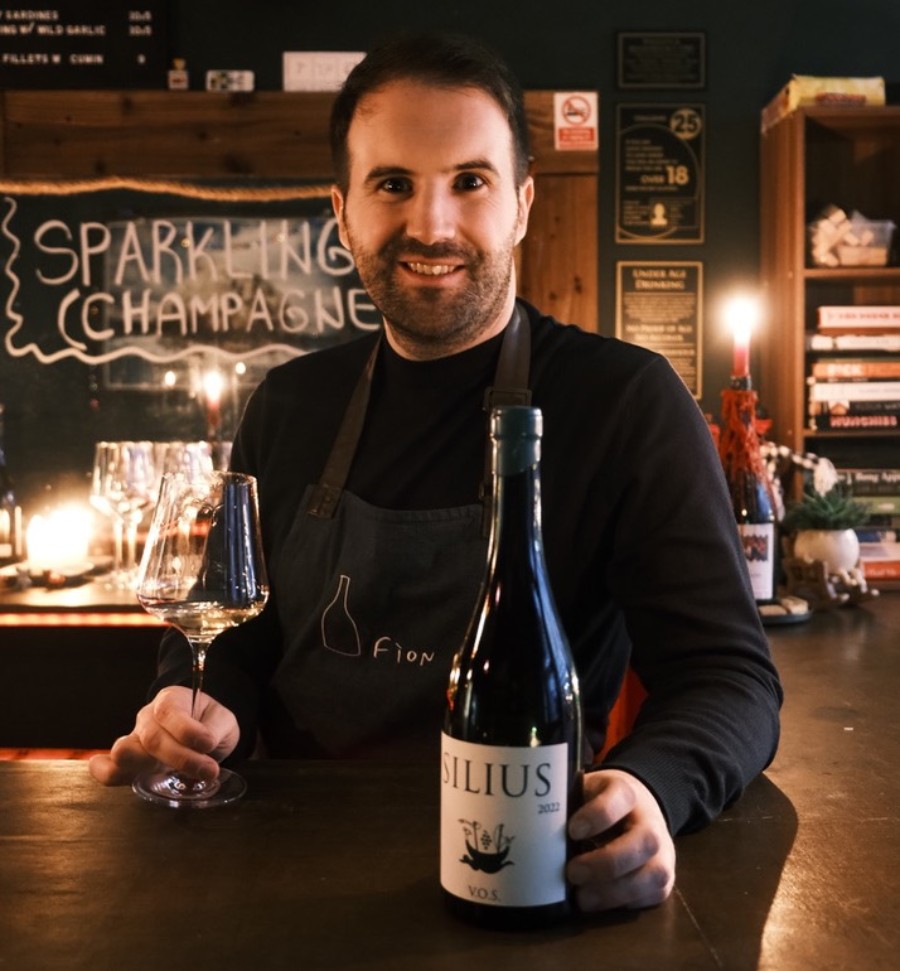
For Miguel, hospitality is the most important channel for positioning lesser-known regions and styles. "The supermarkets are still promoting Rioja and Rías Baixas, but smaller regions and producers need to fight the battle in different trenches. They need to go more towards specialist markets, and the most important first step is their choice of importer. The UK is an extensive market so there is no reason why they can't work with several smaller regional importers, as they would in Spain, but they need to make sure the niche that the importer works in is the correct one, that they work with specialist wine bars and retailers. These are the venues that people go to try new things.
Sommeliers, he argues, also play a crucial role. “We need to encourage them to be brave and serve new wines by the glass, even if it is rotational. Pairings are also an incredible canvas for people to try this kind of wines. You want them to leave the restaurant talking about the experience, a new wine that they tried, a new region that they didn't even know existed and share that with their friends."
Miguel mentions unfortified Palomino as an example of a wine that he has successfully positioned with the right messaging. "We represent the wines of Primitivo Collantes. Socaire may have had a lot of hype in Spain, but that doesn't mean anyone knows it in the UK. So we went to bars and asked if they had customers that drank Jura wines, if they did then we offered them a case with no compromise to give to these customers. People tried it, liked it and started asking for it, and the ball keeps rolling."
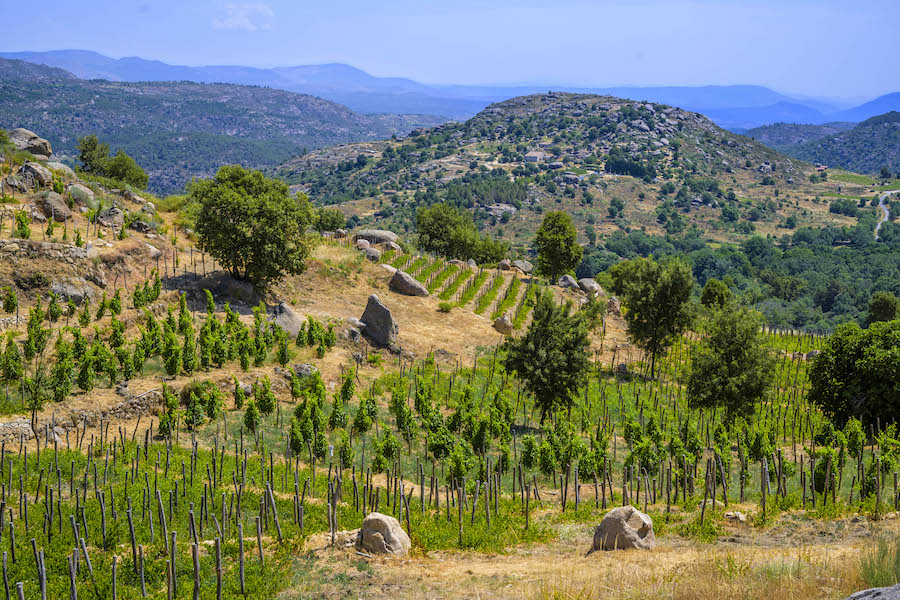
He uses storytelling and imagery to explain wines from different areas. "Ribeira Sacra is one of those places where images are worth a thousand words. When I'm hosting a presentation I show them pictures of landscapes and winemakers. When they realise that a wine comes from vines planted on a 70% slope, they say "wow" and realise the effort involved and appreciate it in a different way."
Outside Galicia, Miguel is excited about the potential of DO Arribes del Duero and the Canary Islands. "I'm in love with Arribes del Duero; it has such potential. People like José Manuel Beneitez of El Hato y El Garabato, Alvar de Dios and Charlotte Allen are all making really good wines. It's a region where wine was saved because of people making wines at home to drink themselves, so weird varieties were preserved. […] Because of the soil, because of the altitude, you have very ethereal wines, elegant wines. With the prices that Burgundy is reaching now, with £40-50 for an entry-level wine of average quality, give the customer a wine from Arribes del Duero to taste at that price and it's clear which one they will pick.”
Meanwhile, Tenerife has had a lot of hype in London, he says, but Scotland is still picking up on that. “They are the two regions that are getting most of my attention at the moment."
Jake Bennett-Day, co-owner, Vino Gusto
Jake is the co-owner of Vino Gusto, a wine shop and online retailer in Bury St Edmunds, the historic Suffolk town often described as the county’s foodie hub and home to its only Michelin-starred restaurant. Vino Gusto was named the IWC Regional Retailer for Eastern England 2025, and Jake featured in Harper's Wine & Spirit's 30 under 30 list of up-and-coming talent in 2023.
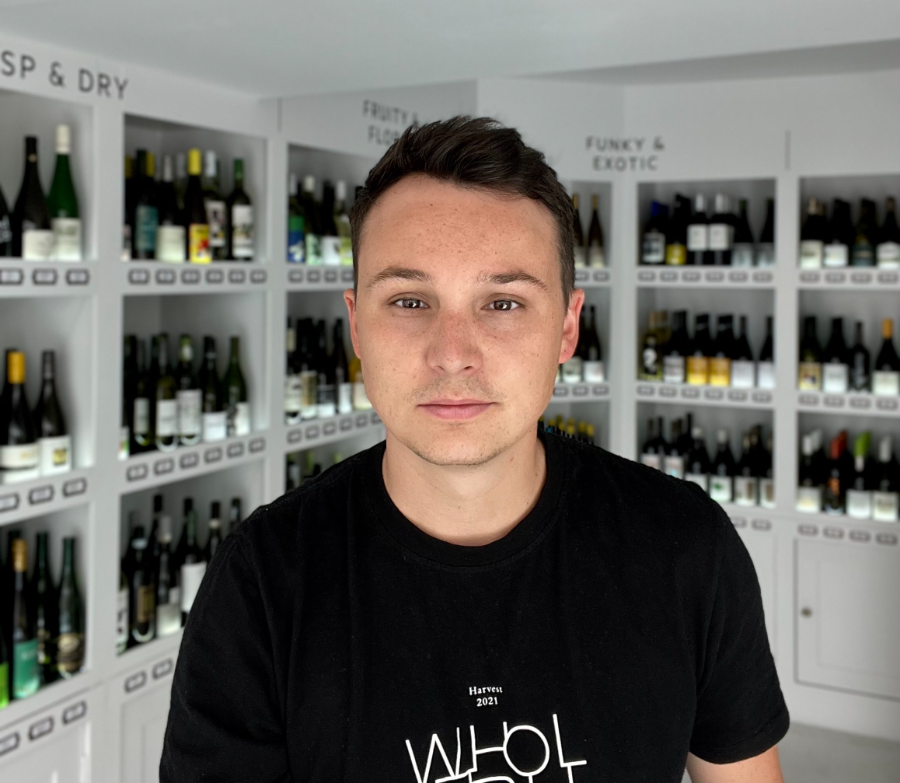
Despite its location in what is often considered a sleepy part of the world, the list at Vino Gusto has clearly been put together by someone who is a fan of modern Spanish wines, featuring cutting-edge producers such as L’Enclòs de Peralba, Pedro Olivares, Viña Zorzal, Celler del Roure and Altolandon.
Jake expresses his passion for all things Iberian. "As a wine drinker, I adore the diversity to be found within Spain. I'm always chasing wines with energy, freshness and excitement, and even the more traditional regions of Spain are producing new wave styles that speak to drinkers like me. Wines that are a bit lighter, leaner, fresher. “
His tastes range widely. “I love everything from outstanding sherry to inky Priorat and softer, traditional Rioja. If I had to pick a favourite region, I'd say Navarra. I love the purity and clarity you get in Garnachas from mountainous areas. I'm a huge fan of the Canary Islands as well, the exciting, transparent wines that come from Tenerife and Gran Canaria in particular.”
Ultimately, from a sales point of view, says Jake, Spain’s value remains a major advantage. "It offers old world clarity and mineral styles in a unique value proposition when compared to other European fine wine producing nations."
Interestingly, he says the shop’s clientele is surprisingly youthful and more adventurous than one might expect although they do get customers "of a certain age" looking for dusty old Clarets and traditional Rioja. Many professionals moved out of London to places like Bury St Edmunds after the pandemic and they have the funds to explore what Jake calls, "mid-market premium wines of £15-16 and up."
Tastings are key to introducing new styles, Jake adds. "The great thing about a shop like ours is that we can guide people, and the best way of getting people to experience different styles is getting liquid on lips. We host at least two tastings a week, and they encourage people to try new things as well as translating into sales.".
While Rioja is hugely popular, DO Ribera del Duero is still not as well-known as it is in Spain, but Jake says they do sell wines from the region at certain times of year. "Awareness is growing. Alongside Bardos, we've sold Emilio Moro's entry-level wine for a while, but we recently took on Malleolus to offer a step up, and that sold really well at Christmas as an alternative to Gran Reserva Rioja —more lush and fruit-driven. But it's not a region that many customers come into the shop asking for, unless they are Spanish or real enthusiasts."
Looking to the future, Jake says he saw the trend for Spanish wines start growing about five years ago, but it shows no sign of slowing down. "It offers outstanding value and diversity within the context of European fine wine and I think it will continue to be the most exciting country for sourcing great wines. I don't think I'll ever have enough shelf space for all the wines from the Canary Islands and dry Palomino from Andalusia that I'd love to list."
Harriet Kininmonth, The Wine Society
The Wine Society might not immediately spring to mind as a home for the new faces of Spanish wine —the average age of its members is 62— but Spanish buyer Harriet Kininmonth, who took on the role just over a year ago, is firmly in the millennial camp.
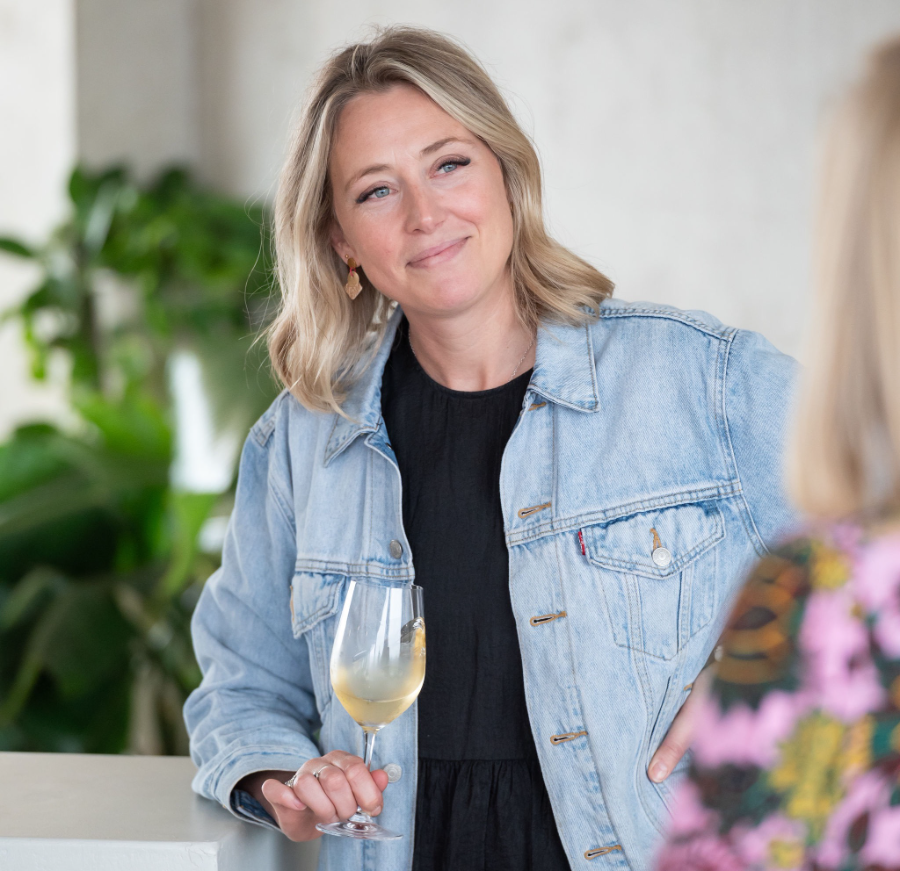
She understands what younger members, whom the Society generously classes as aged 35-55, are looking for. "They care more about people and the stories behind the wines. The Wine Society has a great advantage in being able to take people on a journey and clearly communicate what something is before they buy it. Experiences are also really important for younger people, and we're hosting more activities that get them tasting and enjoying wines as a community. We're hoping to do a sherry event, which will also include sherry cocktails."
To achieve her aim of showing Spain as offering much more than "just Cava, Rioja and good-value wines," she has added 20 new suppliers over the past year. "It is a place of exploration and discovery. It hasn't got an established feel like some other European wine producing countries, but there's an energy there that I haven't felt anywhere else."
She also highlights the "open" character of the Spanish people, citing the example of Viña Zorzal's Lecciones de Vuelo project, in which they make wines with other producers. "Spanish people are so great to work with; the new generation is incredibly dynamic and collaborative. There's a real sense of friendship and community that's quite unique."
As for new styles, Harriet sees an increasing drive to make wines that reflect where they're from. “There's more purity and less use of new oak. Cooler climates, in more Atlantic areas or at high altitudes, so you can get those fresh chill-able reds that you wouldn't necessarily associate with Spain. I want to hammer the message home that Spain does powerful big reds exceptionally well, and that's what put them on the map as a producer of age-able, fine wines, but there are all sorts of other exciting things going on."
Her confidence in Spanish fine wine is reflected in the Society's first ever Fine Wine Spotlight on Spain. "Our "first release", in-bond offer has worked very well. It's a really good way of telling a story and Spain has been one of our most successful first release countries. It represented 37% of our in-bond volume last year and it's our third most important country in fine wine."
Recent releases —Banzao from Bierzo, Cuentaviñas from Eduardo Eguren in Rioja, Suertes del Marqués and Envínate in Tenerife; Jable de Tao from Lanzarote and Bien de Altura from Gran Canaria— sold so well that allocations had to be increased. “In almost every case I had to go back and ask for more. The consumers who buy en primeur tend to be a little bit younger, which shows there's real appetite for these exciting hidden gems."
Harriet plans to focus on a couple of regions each year, starting in 2025 with 20 wines from Galicia. "I brought in Finca Míllara Lagariza from Ribeira Sacra and Xosé Lois Sebio from Ribeiro. We're now planning another offer for summer on southern Levante with wines from Jumilla, Alicante and Valencia, to tell the story of the wild south-east coast."
She thinks there is an appetite for more "unexpected" styles of Rioja, with Vintae's El Pacto Ojo Gallo having built up a following. "Rioja is just one word and it might mean a different thing to a different person. I want to guide consumers through what Rioja can mean and show examples of the different styles. The Society's Crianza is still one of our most successful lines: we have those juicy, spicy Crianza wines through to the traditional top end from Muga, Viña Tondonia and La Rioja Alta, but we also have the more fruit-forward and site-focused Riojas that cater for evolving palates. I visited the region recently and was really blown away by what Israel Eguíluz is doing in Abalos, kind of back to the future, using part carbonic maceration, whole bunch to create very purely fruited wines. I'm also planning to launch Sandra Bravo's high-altitude Sierra de Toloño organic wines this year."
She also has her eye on Garnachas from Gredos. "Mountainous, herbaceous, beautiful wines. I think they are some of the best Garnachas in the world. It's Spain's Pinot Noir."
Adam Beckey, Ultracomida
In his thirties, Adam is one of the public faces of Ultracomida, posting regular video content on Instagram @ultracomidawineandfood. Owned by Paul Grimwood and Shumana Palit, the company encompasses several tapas bars in Wales and sells wholesale to businesses across the UK, and to the public via their website.
Although Adam admits that he didn't know much about Spanish drinks before he joined the company eight years ago, he is now a firm fan. "Vermouth is an area of the business that has grown exponentially for us —we've fallen in love with the way vermouth is drunk in Spain.
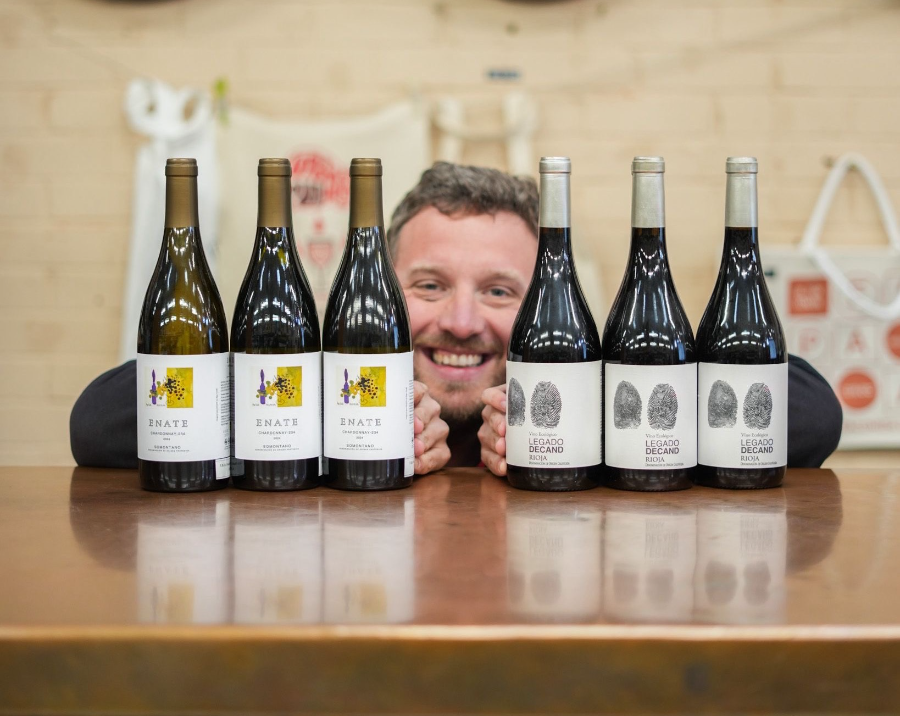
Among wine regions, Rueda is his favourite wine region. “I'm very excited about what they are up to, exploring what can be done with Verdejo other than just bottling it and selling it young. I also really love the region of Jumilla, where we can get some really great value wines made from Monastrell, a variety that is a lot less scary than it used to be. It was seen as making "smash-you-in-the-face" reds but now they are making them a little bit fresher."
Sales, however, still revolve around familiar names. "Rioja really, really sells. Everybody is comfortable with it and willing to take a chance on Rioja. Prado Rey Cuvee from Ribera del Duero is another top selling red. Habla de Ti Sauvignon Blanc is also a best seller, the grape is well-known so people are comfortable about buying it without anyone needing to sell it to them."
Ultracomida also works with five different Cava producers, spanning the sweetness levels from Brut Nature to Semi-Seco and ageing categories. These sparkling wines get Adam's vote for food and wine matching. "I think Cava and food is always a really good combination. We have Sador from U mes U which has a lovely dryness and acidity and is great with food. We've seen a real surge in sales of Cava over the past few years."
Like many businesses faced with falling wine consumption, Ultracomida is trying to encourage customers to go for quality over quantity. Adam sees the generational shift first-hand: “Of my four siblings, I’m the only one who drinks alcohol,” he notes.
The company is redesigning its website to provide more detailed information about the wines. "We want people to make a decision based on more than just their preconceptions. I hope that with more information, consumers will be willing to go from the £13-17 price point to the £18-21 mark and try more niche areas and grape varieties,” Adam says. One example is a 100% Trepat from Josep Forester. “It’s a beautiful, light refreshing expression of Trepat but it's not a grape that a lot of people know about. I hope that the web redesign will help people take that chance and try something like this."
Other wines that Adam would love people to discover include the still wines from Andalusia. "I think Andalusia deserves some love. We work with Alvear in Montilla-Moriles and their Palacio Quemado red wines. Campo de Borja is another region that deserves a look —old-vine Garnacha can be fantastic; I love the intensity of fruit you get from it."
Being social-media savvy, Adam is aware that his Instagram and TikTok content plays a key role in reaching younger consumers. "The dream is to make wine more fun and accessible. With people drinking less, you have to catch people's attention."

Author
Anna Harris-Noble
A wine marketing professional with more than 20 years' experience in the UK and Spain, she holds a WSET Diploma and works as a consultant, freelance writer and translator. She has been Regional Ambassador for Spain for the Old Vine Conference since 2022.
Next Post
San Román Garnacha 2022 Red