Six years on from the first Trump-era tariff shock, the threat to Spanish wine in the United States continues unabated. Tariff fluctuations dominate the headlines, but they are joined by a weak dollar, a shrinking population of wine drinkers and the collapse of parts of the distribution system, all putting pressure on Spanish producers. Those weathering the storm all have one thing in common: they saw it coming.
When Bill Ward wrote this piece for Spanish Wine Lover in early 2020, US importers were grappling with a single, identifiable threat: a 25% tariff on most Spanish table wines, imposed the previous October as part of the long-running Airbus-Boeing dispute. It was painful, but it was a fixed cost around which businesses could plan.
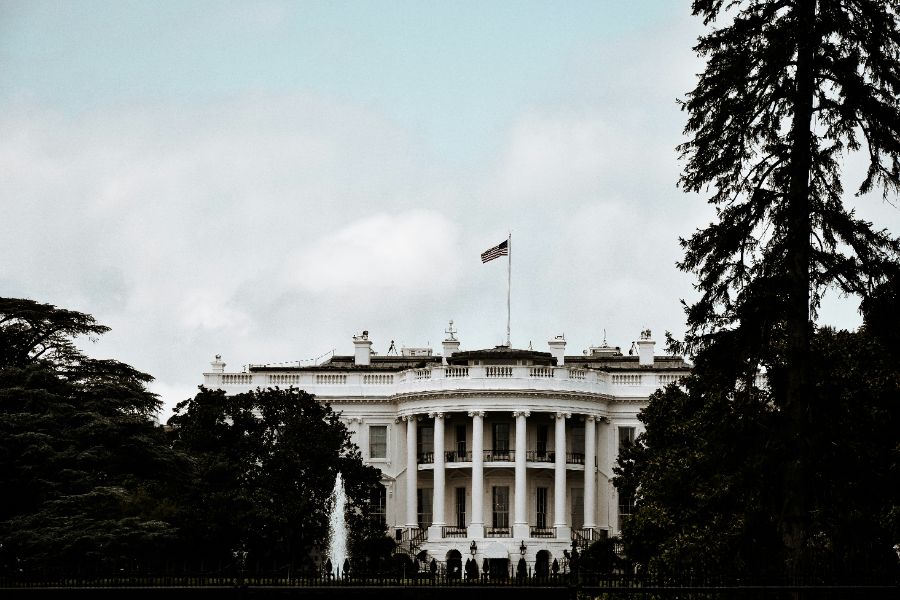
Today, tariffs may be lower, but that certainty has vanished. At the time of writing (August 2026), most Spanish wine entering the US faces a tariff of 10% ¬—below the 15% rate in place earlier this year, the 20% peak reached in 2025 and far below the 30% to 50% announced when Trump returned to office (not to mention the 200% tariff he has repeatedly threatened French wine).
Getting to that figure, however, has been an exercise in whiplash. In February 2026, the US Supreme Court struck down the administration's “reciprocal” tariffs levied under emergency economic powers. Within days, the White House turned to Section 122 of the Trade Act, imposing a temporary global import surcharge. However, as Section 122 could be used for only 150 days without congressional approval, that tariff expired on July 24.
Its replacement arrived under yet another legal authority. The US Trade Representative has imposed tariffs under Section 301 of the Trade Act. For Spanish wine, this brings the combined customs duty to 10%. Lower, yes, but hardly more predictable –and with further legal challenges in the pipeline, the possibility of continued fluctuation remains. For American consumers of Spanish wine –and there are plenty of them, with the US importing 97m litres in 2024– retail prices have already seen a substantial rise.
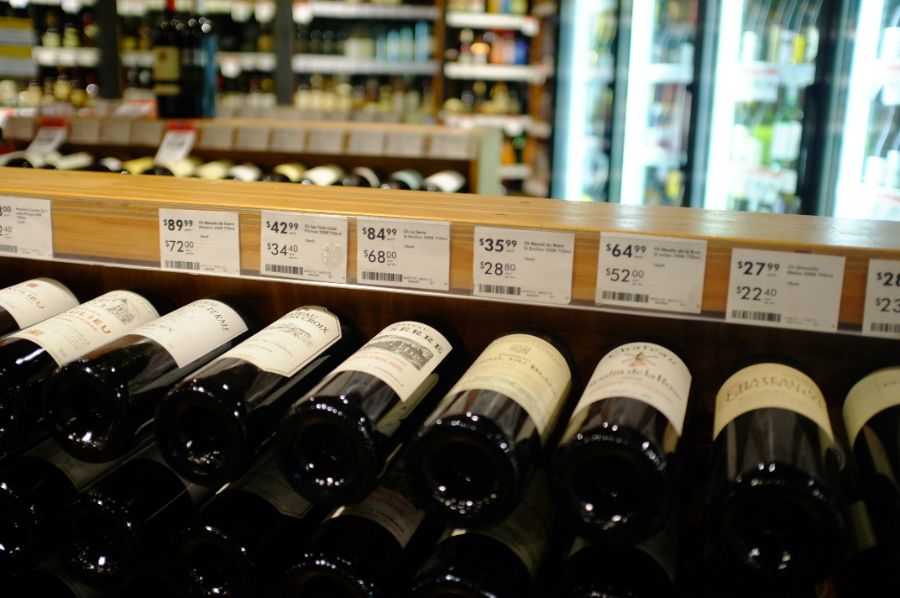
Yet the headline tariff rate isn't the only contributing factor to higher prices at the checkout. In the complex three-tier distribution system in the US (designed to separate the people who distil alcohol from the people who sell it), that additional cost can be amplified by importers, distributors and retailers all looking to increase their margins, leaving consumers paying noticeably more than the tariff alone might suggest.
For importers, the precise rate almost matters less than the instability around it. “It makes it very hard to be strategic when you have this uncertainty,” says Andrew Sinclair, CEO of González Byass USA, who has spent 22 years with the company. Francisco Gil, head of Gil Family Estates, with a presence in the US market for close to 25 years, puts it more bluntly: “The uncertainty was probably more damaging than the tariffs themselves.” At one stage, Gil notes, there was talk of tariffs as high as 200%. “In that scenario, it would have been impossible to absorb the cost, so we developed contingency plans in advance.”
That uncertainty is felt acutely among smaller producers. Verónica Ortega, known for her small-production wines from old vines in Bierzo which she exports to more than 40 countries, says the tariffs themselves have had a relatively limited impact on her premium wines. It’s the instability that’s hard to take in. “Small wineries are naturally more exposed to changes in shipping costs, exchange rates and distribution conditions because we operate on a much smaller scale,” she said. “We have less room to absorb unexpected costs, so stability and predictability are extremely important for businesses like ours.”
Absorbing the blow
Foresight and preparation is what separates those producers riding out the US’s current economic and political turbulence and those that are struggling, with some building up buffers before Donald Trump returned to office. Gil’s mitigation measures included: “our own import company in the United States, our own inventory held in US warehouses, and our own commercial team on the ground.” By stockpiling in the US ahead of tariffs and staying close to its distributors, the group says it delayed the impact of tariffs by four to six months. And once the costs did hit, the pain was shared: “We absorbed part of the cost ourselves together with our importers. The burden was not placed entirely on consumers.”
González Byass took a similarly measured approach. Rather than raising prices immediately, it waited until September 2025, several months after the tariffs came into force, and then passed on only part of the increase. Its flagship Rioja, Beronia Reserva, rose from around $22.99 to $24.99, a modest increase that Sinclair argues the category can sustain.
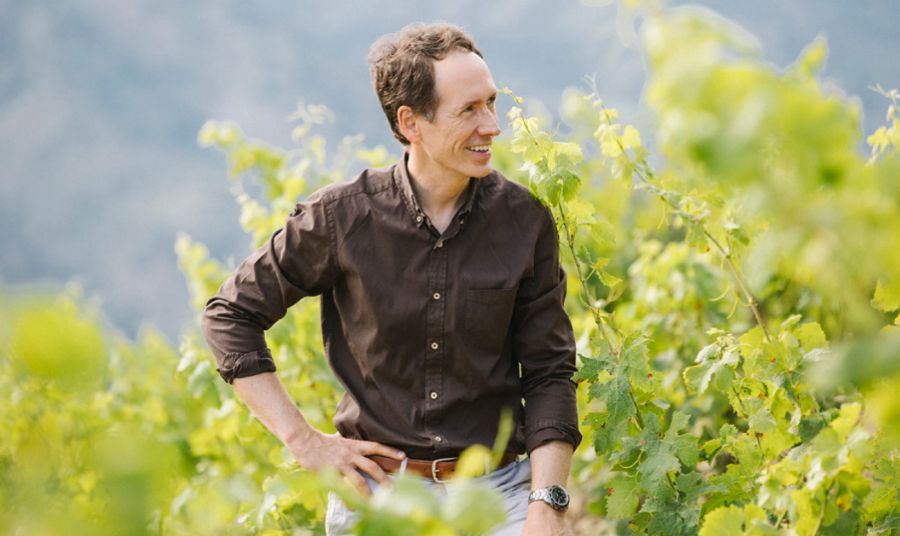
Miguel Torres Maczassek (pictured below), a fifth-generation member of Familia Torres, took a similarly long-term view, focusing on protecting the company’s brands. “We have approached tariffs as a business reality rather than a temporary possibility,” with any relief resulting from tariff adjustments “reinvested into supporting our brands, strengthening market presence, and helping our partners remain competitive.” For premium wines such as Mas La Plana, maintaining market position matters more than short-term profit.
For Ortega, diversification provides some protection: no single market dominates her business, even though the US remains a significant destination for many of her wines. And because her wines sit in the premium segment, she argues that the extra cost per bottle is less likely to deter a consumer already seeking out distinctive varietal wines. The vulnerability lies elsewhere: small estates cannot warehouse months of stock, spread costs across large portfolios or negotiate from the same position of strength as larger producers.
Yet absorbing tariffs comes at a cost. Stockpiling wine in US warehouses –particularly on the expensive East Coast– ties up capital while storage bills quietly cancel out much of the saving. Every price adjustment also sends ripples through the supply chain. “It's chaos,” says Sinclair of González Byass. “There's a huge amount of man-hours wasted every time you change your price – all the way through the chain: importer, distributor, retailer.”
Shockwaves in the middle tier
That supply chain is under exceptional strain. The July 2026 bankruptcy of the Republic National Distributing Company (RNDC), once the country's second-largest wine and spirits distributor, has sent what Sinclair calls “shockwaves through the three-tier system.” For producers that relied on RNDC, the timing could hardly have been worse. Sinclair cites a striking figure: in the last 12 months, roughly one in four US wineries lost its primary distributor. The underlying problem, he argues, is structural: too many suppliers are chasing a consolidating set of distributors. For Spanish producers, that consolidation is particularly damaging in a market where distribution is not simply about logistics, but also market access.
González Byass has emerged relatively unscathed and has even benefited. As Southern Glazer’s, the largest US wholesaler, streamlined its supplier portfolio, the company recently secured a new five-year national agreement. But that outcome depended on both scale and long-established corporate relationships –advantages that many smaller producers simply don't have.
Drinking less but better
All of this is playing out against a backdrop of declining US wine consumption that long predates the current tariffs. Younger consumers are drinking less alcohol, often citing health concerns, while facing a far wider range of competing demands on their leisure spending. “A generation before, you might have had a couple of glasses of red wine after work,” Sinclair observes. “Now it might be a [cannabis] gummy.”
Gil cautions against pinning the trend solely on generational change. “We believe the economic situation has had an even greater impact. Inflation, war, and the rising cost of living mean consumers have less disposable income.” The result, he says, is “a perfect storm.”
Yet the contraction is far from uniform and may, in fact, hold opportunities for Spanish producers. Volumes are falling faster than value, suggesting that consumers are trading up even as they drink less. Torres Maczassek describes today’s market as one of “less but better”. “Consumers are drinking less frequently, but they are often choosing better wines when they do.”
The resilience of Spanish wine
In such an uncertain and uneven market, the enduring value for money of Spanish wine has become a strategic asset. “It is suffering from the same market pressures as everyone else, but it is suffering less,” says Gil, “because consumers continue to see exceptional value.” Likewise, Sinclair believes buyers of imported wines are less price-sensitive than the headlines might suggest. Many consumers are actively seeking regional diversity and new grape varieties, he argues, “and a couple of dollars on the shelf price isn't going to alienate that many people.”
Ortega agrees, seeing growing momentum among American drinkers for smaller, terroir-driven Spanish wines. When she first came to Bierzo, she says, both the region and Mencía were still relatively unknown outside Spain. Today, importers increasingly want a Bierzo in their portfolios. “Bierzo brings together everything that modern wine lovers are looking for: indigenous grape varieties, very old vineyards, a long viticultural tradition, remarkable diversity of soils and altitudes, and producers who work on a human scale,” she said.
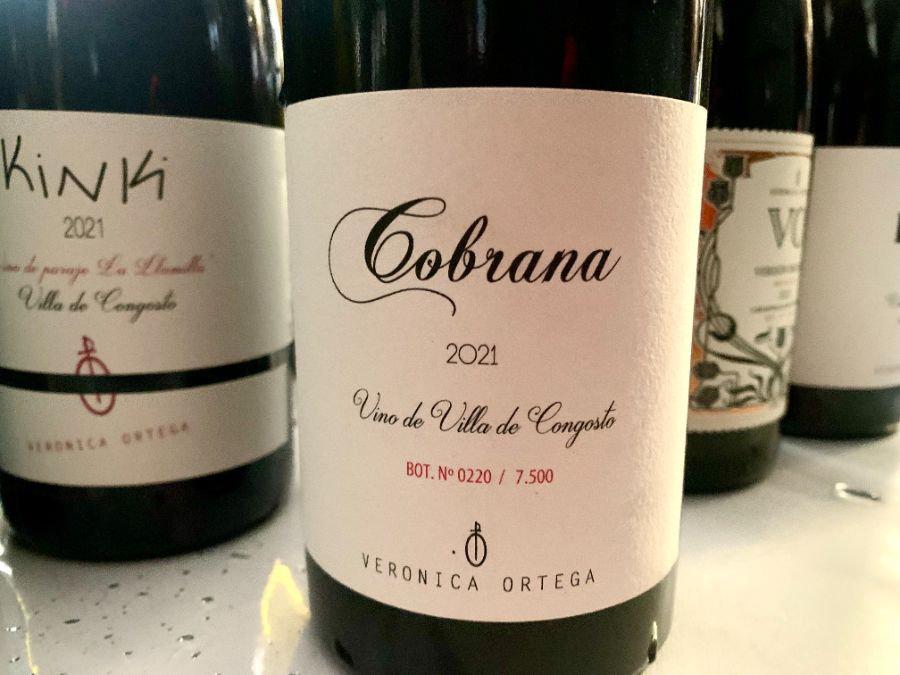
And hers are not the only wines proving resilient amid the current economic turbulence. Spanish sparkling wine, Sinclair argues, continues to over-deliver on quality and value “against anyone else in the world,” while the quality of Spanish whites –particularly Albariño from Rías Baixas– is improving “exponentially” year after year. Sherry, too, is enjoying a quiet renaissance on US wine and cocktail lists. Gil also points to genuine surprises in his family’s own portfolio. Non-alcoholic wines are growing at double-digit rates, with a non-alcoholic Albariño performing well beyond expectations, alongside the enduring pull of Garnacha and Tempranillo.
What no major Spanish wine producer or importer contemplates is treating the US as optional. Torres Maczassek describes the market as “a strategic priority for our long-term growth”; Gil calls it its “number one export destination” and Sinclair sees it as “an international lighthouse” where brands are built in the restaurants of New York, Los Angeles and Miami. “I don't see that changing.” Ortega is equally optimistic about a market in which consumers are increasingly looking beyond the classic regions for wines with a strong connection to place. “Ultimately, I believe the future belongs to producers who can offer authenticity rather than uniformity,” she said. “That is where Spain has one of its greatest strengths.”
Among them, there is little naïvety about what lies ahead. Gil expects “at least five more years of uncertainty and declining wine consumption,” and acknowledges that some wineries “may disappear altogether if they cannot adapt.” Torres Maczassek remains “cautiously optimistic,” betting on premiumisation and growing interest in indigenous Spanish grape varieties. Sinclair, despite everything, remains “really bullish.” The reputation of Spanish wine is already firmly established, he argues; what’s needed is education rather than rehabilitation.
Whatever happens in the coming years, the producers best placed to cope are likely those already playing the long game.

Author
Murray Garrard
A seasoned journalist and magazine editor, Murray Garrard has worked in newsrooms across Europe, Australia, Asia and the Middle East and holds the WSET Diploma. He is now based in Southern California, where he writes about a wide range of subjects, including the ever-changing US wine market.
Previous Post
Next Post
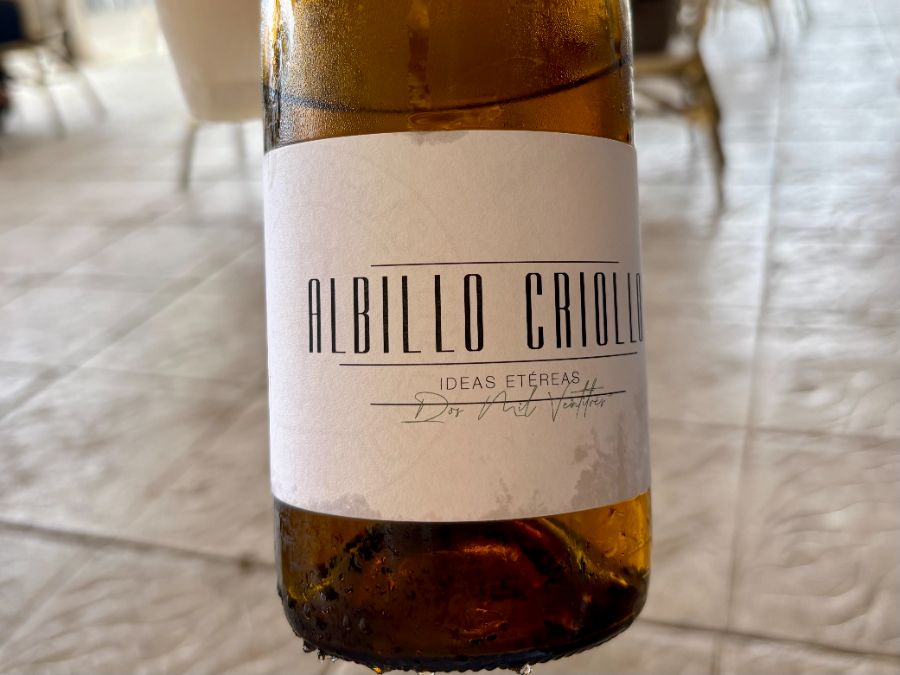
Ideas Etéreas Albillo Criollo 2023 White