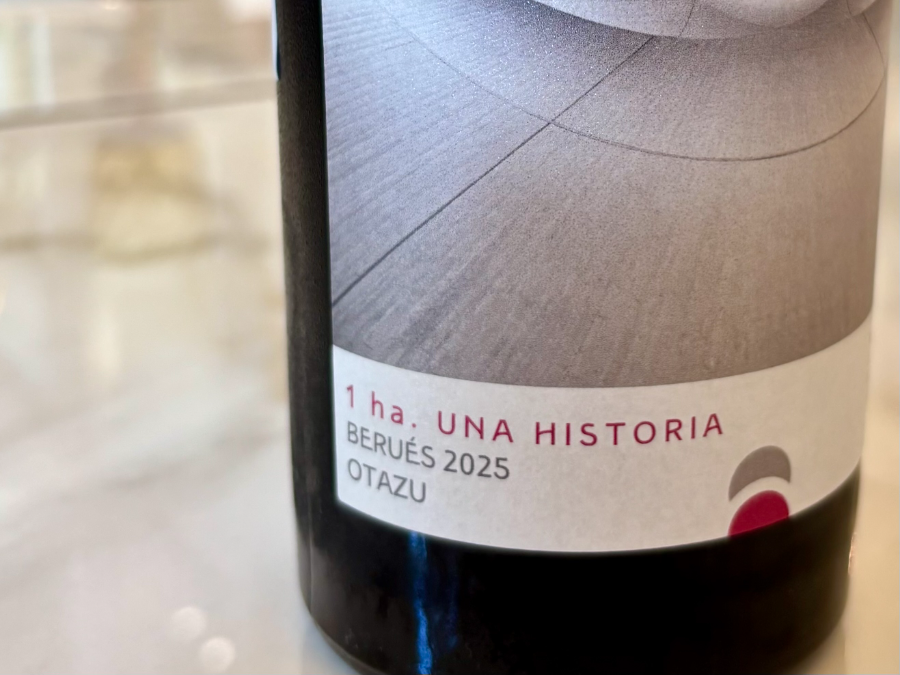
A red variety known as Berués or Barvés was first mentioned in Navarra in 1620, in an account of the harvest that advised growers to pick Barvés and Mazuela at their optimum ripeness. After more than a century in obscurity, Bodega Otazu has just unveiled a limited edition of 468 bottles, reviving a flavour from another era.
Deep purple in colour, the wine is intensely fruity, as might be expected from a 2025 red vinified without oak and intended to showcase the variety in its purest form. Yet beneath the immediacy of the fruit lie firm tannins and outstanding acidity, suggesting that Berués has the potential to produce serious, ageworthy reds. There is little more that can be concluded from this first vinification, but its symbolic weight is considerable.
Among the many forgotten varieties revived in Spain in recent decades, very few can be tied to wines of genuine historical prestige. None can probably rival the documentary trail attached to Berués. The grape was an essential component of the famed Rancio de Peralta, a wine widely celebrated in the 18th century. In the 19th century, it still appeared in André Jullien’s Topographie de tous les vignobles connus as one of Spain's five top-class white wines —the highest category in his classification— alongside fine dry Sherry, a second-class wine from the Sherry Triangle, Pajarete, and the finest wines of Montilla.
800 kg of hope
The rediscovery is part of an ambitious project launched in 2017 to recover ancient grape varieties. Led by Otazu in collaboration with the Public University of Navarra (UPNA) and supported by EVENA, Navarra’s viticulture and oenology centre, the initiative set out to reconnect with the region’s pre-phylloxera heritage. Although more than 6,000 hectares of vines once covered the Pamplona basin in the end of the 19th century, Otazu is now a solitary presence in this valley stretching west of the city along the River Arga. The search therefore focused on isolated wild vines that had survived unnoticed in the landscape.
The work was spearheaded by José Luis Ruiz, Otazu’s former technical director, who tragically died in a car accident in 2020, and by Gonzaga Santesteban, senior lecturer in Viticulture at UPNA. Around 100 accessions or biotypes were identified, including 11 that matched the genetic profile of Berués. Confirmation came through comparison with plant material preserved in the grape collections at El Encín, in Alcalá de Henares, and at the Royal Botanical Garden in Madrid. Both samples originated from collections started by agronomist Nicolás García de los Salmones in Navarra after the phylloxera outbreak. These were later replicated at the Central Ampelographic Station in Madrid, the precursor of today’s El Encín collection, which García de los Salmones directed between 1914 and 1931.
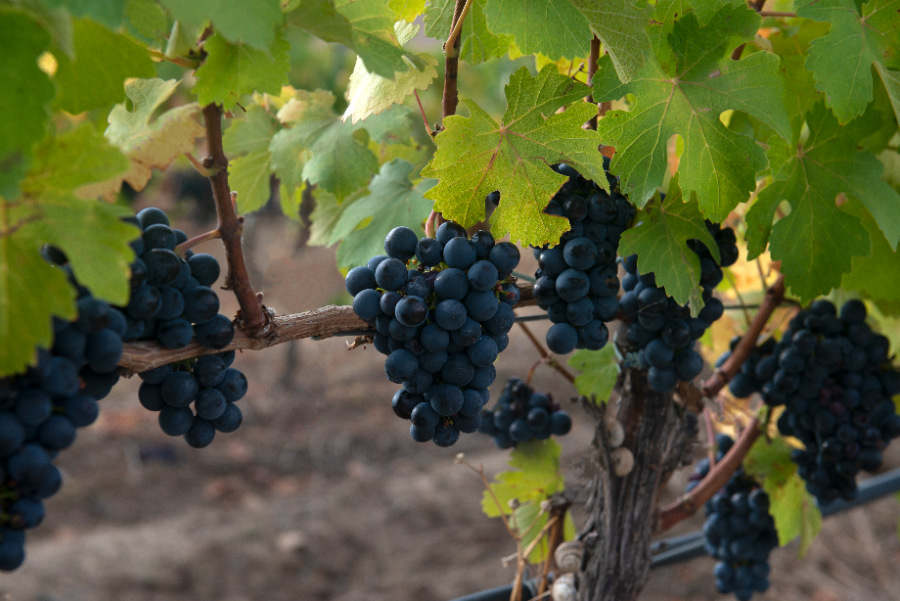
Virus-free plant material was subsequently selected, enabling six of the 11 biotypes to be propagated in a nursery. The first vines were planted in 2019. In the winter of 2021–22, cuttings were taken to plant a further 81 vines in spring 2023. The following winter the process was repeated, this time adding grafts onto existing vines to ensure a harvest from properly established root systems the next year. Consequently, production increased from 28 litres in 2004, the year of the first vinification, to 800 kilos of grapes in 2025. More importantly, the symbolic milestone of bottling the wine had finally been reached.
A new chapter for Otazu
The future release, under the limited-edition “1 ha., one story” collection, marks a turning point for Otazu. Like many Navarra wineries founded in the 1990s, the estate initially focused on international varieties. Otazu could plausibly justify this approach: its north-facing vineyards, lying between the Perdón and Sarbil mountain ranges with views towards the Pyrenees, are strongly influenced by the Atlantic, making it more suitable for growing Cabernet Sauvignon and Chardonnay. Yet much of the work undertaken by Guillermo Penso since he joined the project in 2012 has stemmed from the need to “understand the valley and its viticulture”, as he explained during a recent presentation of the new wine in Madrid.
That process has involved research into soils and yeasts, conversion to organic farming and an expanded focus on varieties, both international, like Cabernet Franc, and local. The experimental plot containing the researched biotypes also includes pre-phylloxera Cabernet Sauvignon clones found during the survey, as well as several accessions of Tempranillo, Garnacha and Mazuelo. Three white varieties identified by EVENA are also planted there: Oneca, now authorised in DO Navarra, Musa and Xurra. The latter two are spontaneous seedlings originating from Cabernet Sauvignon pips. Musa is already included in Navarra’s regional catalogue of varieties, while Xurra and Berués are awaiting inclusion in Spain's official register of commercial varieties. The decision is expected to be published in the Official State Gazette (BOE) later this year, paving the way for the first Berués bottles to go on sale at a retail price of €120.
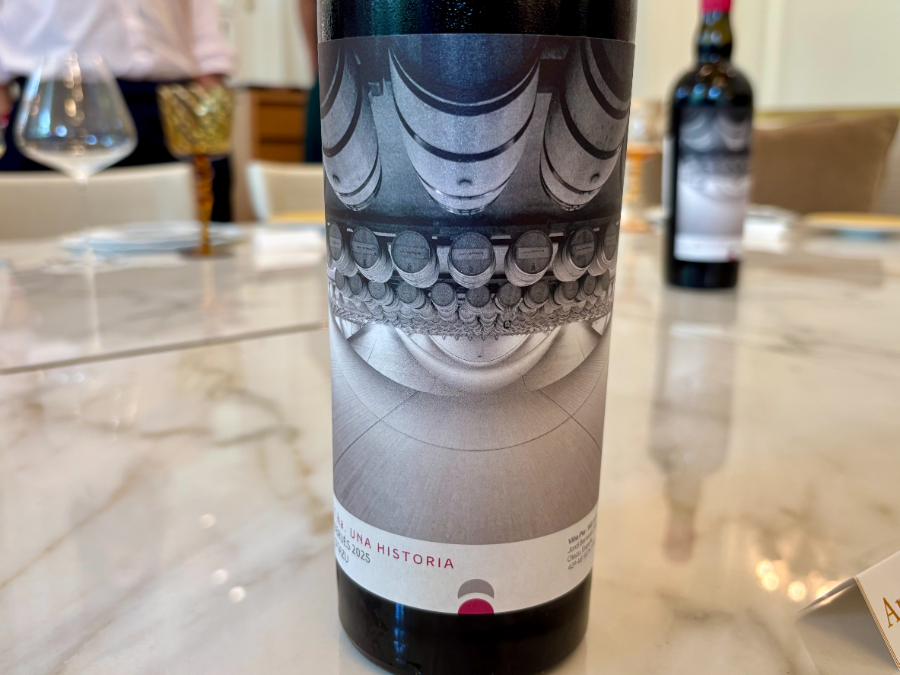
Given its remarkable historical pedigree, Berués has become a powerful symbol of Otazu's change of direction. According to Penso, "it manages to amaze and stir emotion, much like art, which is not merely anecdotal, but part of a deeper structural understanding". The winery's public face and president of the Otazu Foundation linked the rebirth of Berués to his family’s long-standing commitment to contemporary art —the estate itself functions as a museum— and to the idea of forging connections between nature and artistic creation. He now sees Berués as central to Otazu’s legacy and as a means of connecting with the next generation. This is why the experimental vineyard has been named after his daughter Pía, who appears seated on a barrel on the label in a photograph by Jordi Bernadó.
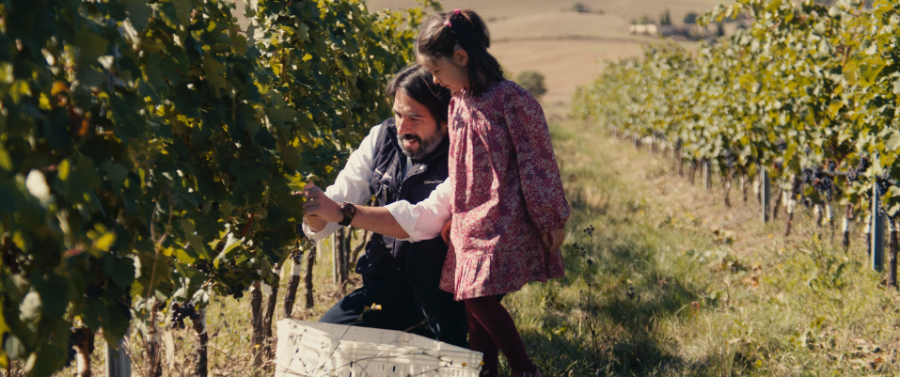
Enrique Basarte, Otazu’s technical director since 2022 and former owner of Domaines Lupier, described the recovery of the variety as “a tribute to all the winegrowers of northern Spain who passed on their expertise through generations”. He also highlighted the benefits of working in an extreme area. “It’s fantastic in the context of climate change, although viticulture here is very demanding. The upside is wines with plenty of character,” he said.
Another layer to the story is the variety's ancestry. Berués belongs to the large Iberian family descended from Savagnin/Traminer, alongside Godello, Mencía, Bruñal, Verdejo and Maturana Blanca. Savagnin itself originated in the area between north-eastern France and south-western Germany, and appears to have exerted a strong influence in Spain via the Camino de Santiago pilgrimage route.
The rise and fall of Berués
All the Berués biotypes identified in recent years in Navarra have been found in places such as the Pamplona basin, where vineyards disappeared long ago. However, in its heyday, the variety was widespread across many areas of Navarra. According to EVENA researcher José Félix Cibriáin, it was often named after the village where it was grown. Thus, people spoke of Barbés from Huarte or Barbés from Villava.
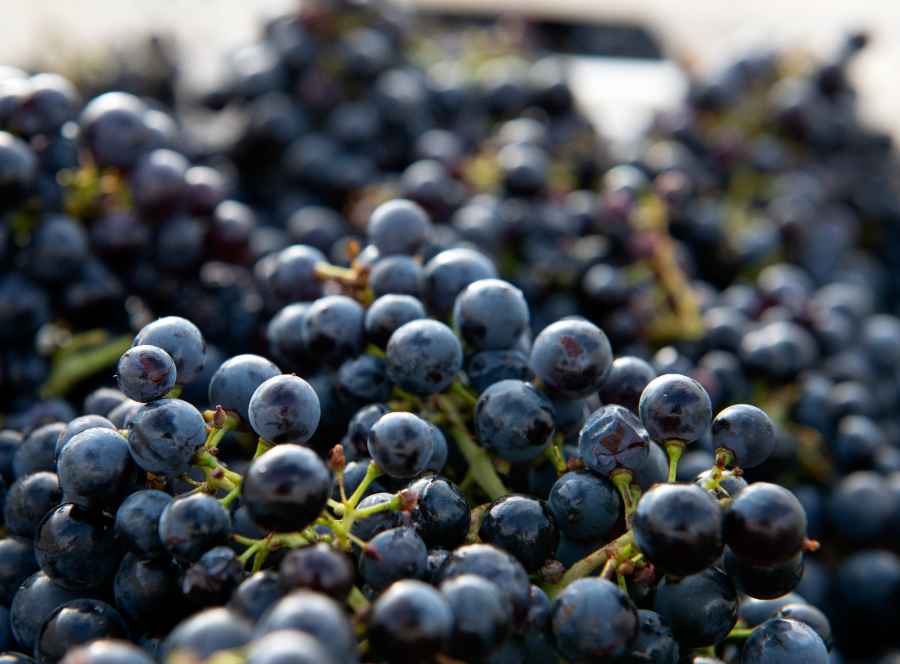
Evidence of the esteem in which it was held survives in a legal dispute dating from 1760, when the monastery of Santa María de Marcilla insisted that its wine tithe be paid specifically in Berués grapes rather than Mazuela or other inferiorvarieties. Beyond its quality, Berués was prized for ripening early, which allowed growers to harvest before the autumn rains arrived. Based on Otazu's experience thus far, its ripening cycle is similar to that of Tempranillo, Spain's benchmark early-ripening red variety.
By the mid-19th century, almost 4,000 hectares of Berués were planted in Navarra. By 1891 —at the height of the French phylloxera crisis— the figure had risen to 6,200 hectares, 13% of the province’s total vineyard area. Why did it subsequently disappear? One factor was its susceptibility to powdery mildew, a problem shared with Mazuelo and which led to Garnacha becoming more popular in the decades that followed. Cibriáin also mentions the liberalisation of vineyard planting from the late 18th century onwards, which encouraged growers to favour more productive varieties such as Garnacha and Mazuelo. Above all, the 1877 free-trade agreement with France stimulated exports of ordinary wines, pushing traditional rancio wines into decline and confining them largely to local consumption.
Writing in 1926, the scientist Apolinar Azanza mentioned Berués only in passing, noting the occasional isolated vine surviving in secondary vineyards. Its decline mirrored that of the Rancio de Peralta. However, now that Berués has been granted a second life, its future seems destined to follow a different stylistic path.
Rancio de Peralta
What exactly was this wine that received such high praise? Rancio de Peralta was a white made from both white grapes, —chiefly Malvasía— and red grapes, with Berués playing a central role. Tempranillo and, occasionally, Garnacha were also included. The defining feature was the use of free-run juice, meaning that the grapes were trodden but not pressed. Fermentation took place slowly in large cherrywood vats, to which boiled must reduced to two-thirds of its original volume was added, together with a basket of destemmed grape skins. The wine was then transferred to smaller cherrywood casks where it aged for four years.
In his book Vineyards and Wines of North-West Spain, Alain Huetz de Lemps estimates production in Peralta at 59,000 cántaras (5,899 hl) in the late 18th century, rising to 80,000 (9,400 hl) by the mid-19th century. He mentions that the wine was also produced in Falces and Villafranca and exported to both France and America. "In the early 19th century, some producers had 10,000 cántaras (1,177 hl) of rancio in their cellars, not counting ordinary wines," he writes.
The wine was widely sold across north-central Spain. Huetz de Lemps cites the Burgos ordinances of 1747 as an example, noting that the city remained loyal to this style for decades: "In 1817, rancio wine was still coming from Peralta. It is a highly prized wine, and its consumption extremely limited".

Author
Amaya Cervera
A wine journalist with almost 30 years' experience, she is the founder of the award-winning Spanish Wine Lover website. In 2023, she won the National Gastronomy Award for Gastronomic Communication
Next Post
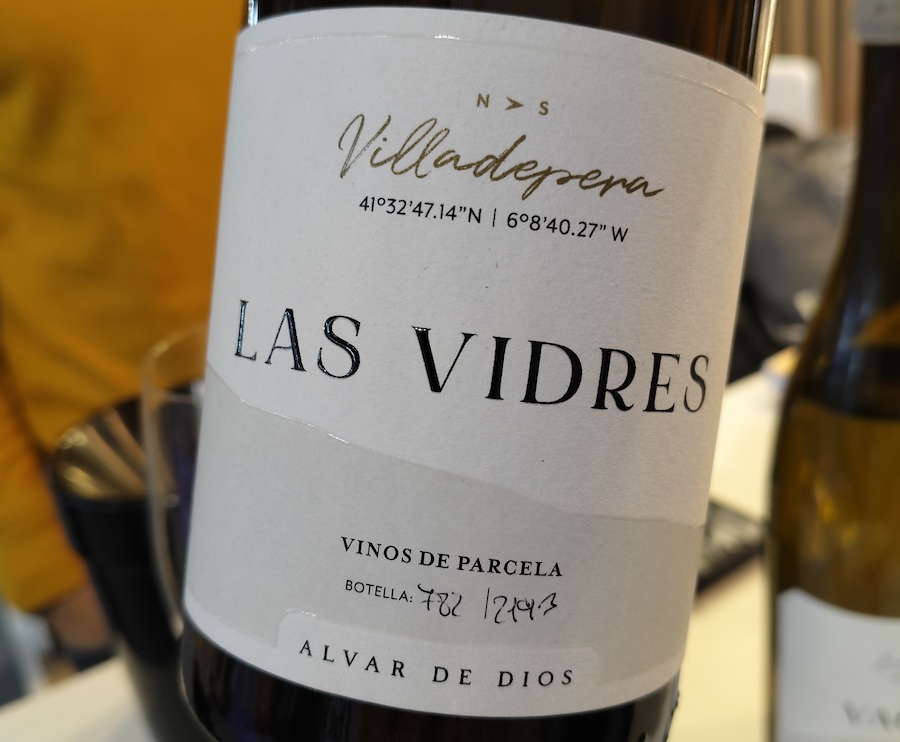
Las Vidres 2020 White